What Are High-Tensile Hex Bolts?
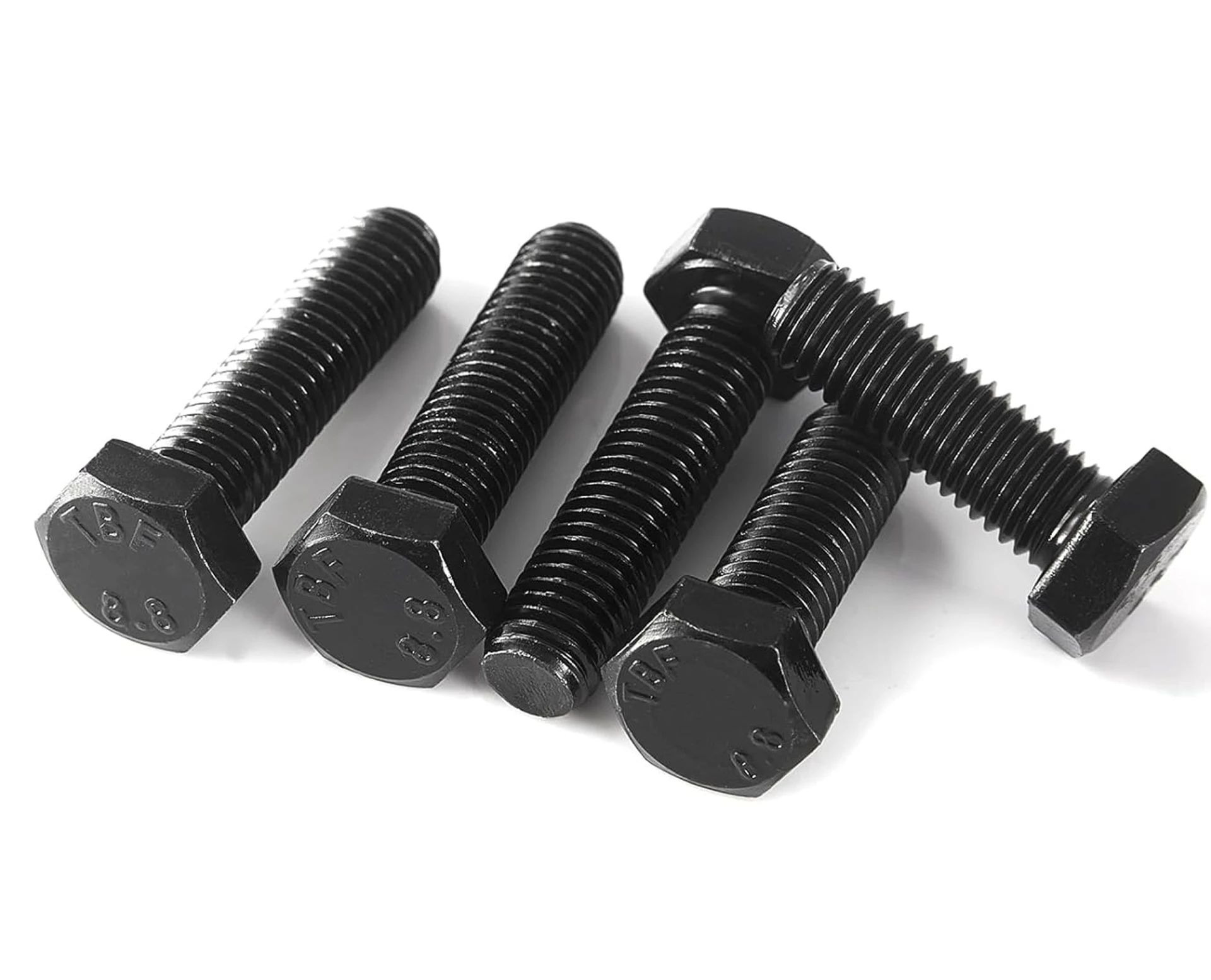
High-tensile hex bolts are strong bolts with a six-sided (hex) head, made from high-strength steel.
👉 In simple words:
They are heavy-duty bolts designed for tough jobs.
These bolts can handle more force compared to regular bolts, which makes them ideal for construction, machinery, and industrial use.
What Does “High-Tensile” Mean?
“Tensile strength” means how much pulling force a bolt can handle before breaking.
👉 So, high-tensile = high strength
These bolts are specially treated (heat-treated) to make them stronger and more durable.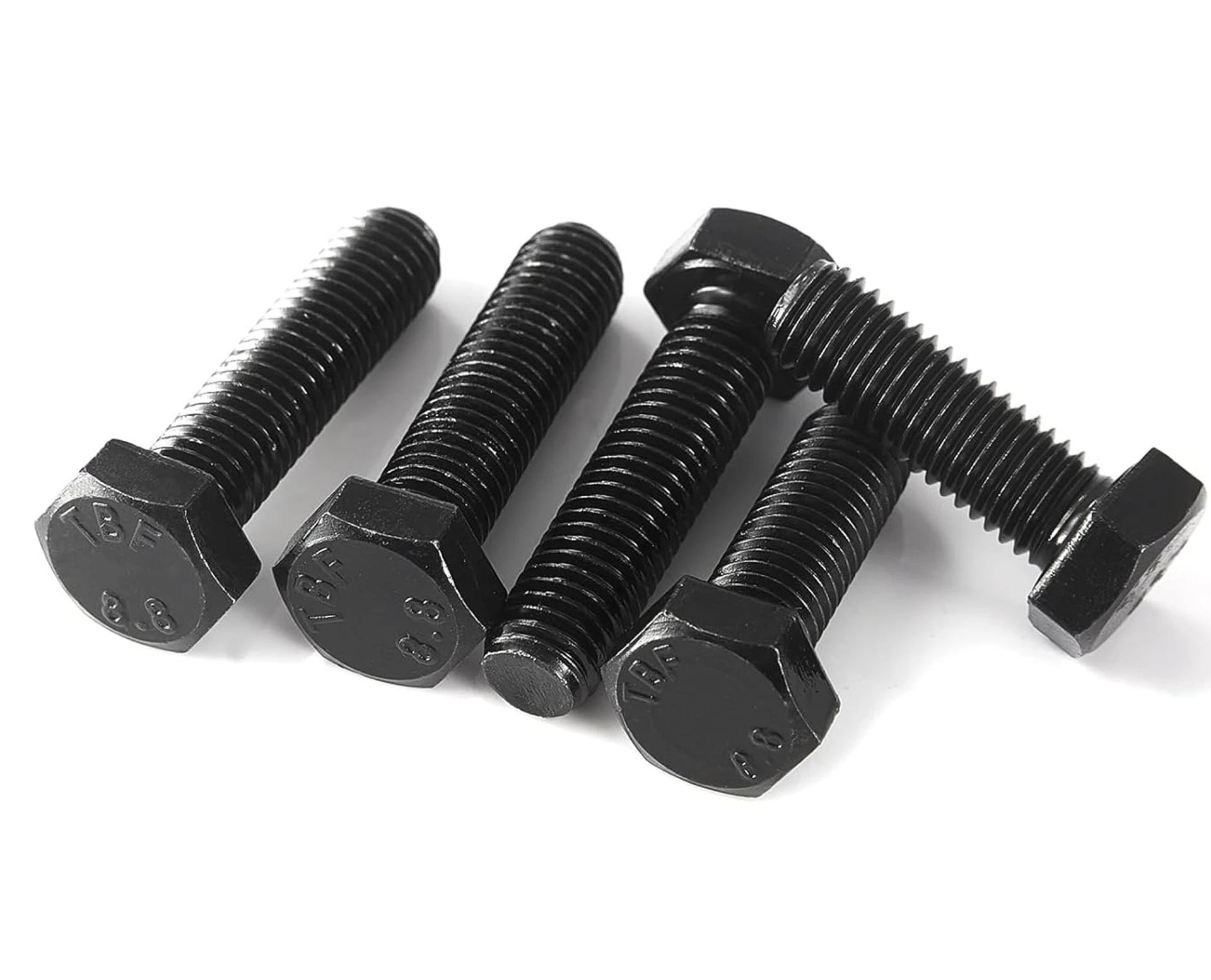
Key Features of High-Tensile Hex Bolts
- Very strong and durable
- Hex head for easy tightening
- Resistant to heavy loads and pressure
- Available in different grades
- Long-lasting performance
Grades of High-Tensile Bolts
High-tensile bolts are classified by grades. The grade tells you how strong the bolt is.
Common Grades:
1. Grade 8.8
- Medium-high strength
- Used in construction and machines
2. Grade 10.9
- Very strong
- Used in automotive and heavy equipment
3. Grade 12.9
- Extremely strong
- Used in critical and high-stress applications
👉 Higher grade = stronger bolt
Materials Used
High-tensile hex bolts are made from special materials to increase strength.
Common Materials:
- Alloy SteelMain material used
- Heat-treated for strength
- Carbon Steel (Heat-Treated)Strong and cost-effective
- Stainless Steel (High Strength)Rust-resistant and strong
Coatings and Finishes
To protect from rust and damage, these bolts often have coatings:
- Black oxide – basic protection
- Zinc plated – protects from rust
- Hot-dip galvanized – strong corrosion protection
Common Sizes
High-tensile hex bolts come in many sizes.
Popular Sizes:
- M6, M8, M10, M12, M16, M20
- Lengths from 20 mm to 300 mm or more
Choose size based on load and application.
Where Are High-Tensile Hex Bolts Used?
These bolts are used in heavy-duty and critical applications.
1. Construction Industry
- Steel structures
- Bridges
- Buildings
2. Automotive Industry
- Engines
- Suspension systems
- Heavy vehicles
3. Machinery and Equipment
- Industrial machines
- Manufacturing plants
4. Oil and Gas Industry
- Pipelines
- Rigs and platforms
5. Railways and Infrastructure
- Tracks
- Structural joints
Advantages of High-Tensile Hex Bolts
- Very high strength
- Reliable under pressure
- Long life
- Suitable for heavy-duty use
- Resistant to wear and stress
How to Choose the Right High-Tensile Hex Bolt
Choosing the correct bolt is very important for safety.
1. Check the Grade
- Use higher grades for heavier loads
2. Select the Right Size
- Correct diameter and length are important
3. Choose the Right Material
- Stainless steel for outdoor use
- Alloy steel for heavy-duty use
4. Consider Environment
- Use coated bolts for wet or corrosive areas
5. Follow Standards
- Use bolts that meet ISO, DIN, or ASTM standards
Installation Tips
- Use the correct wrench or tool
- Tighten to the recommended torque
- Do not over-tighten
- Use washers if needed
- Ensure threads are clean
Maintenance Tips
- Inspect regularly for damage
- Replace worn or stretched bolts
- Keep bolts clean
- Check for rust or corrosion
Common Mistakes to Avoid
- Using a low-grade bolt for heavy work
- Over-tightening
- Using wrong size
- Ignoring load limits
- Not checking for corrosion
Conclusion
High-tensile hex bolts are essential for strong and secure fastening in heavy-duty applications. Their high strength, durability, and reliability make them the best choice for critical projects.
If you choose the right grade, size, and material, and install them properly, these bolts will give you a safe and long-lasting connection.