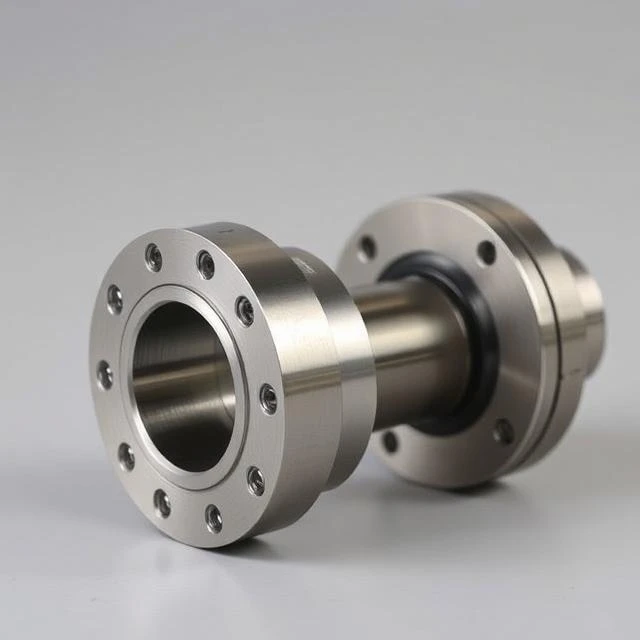
Modern material handling systems operate faster and more efficiently than ever before, and at the core of this performance are the couplings that connect rotating shafts and ensure reliable power transmission. High-speed material handling machines—such as conveyors, sorting systems, automated storage units, and packaging lines—depend on couplings to maintain smooth, precise, and stable motion. As industries expand their automation capabilities and increase production speeds, the demand for high-speed coupling solutions continues to grow.
The Importance of High-Speed Couplings in Material Handling
Material handling equipment moves products, components, and materials throughout manufacturing and warehouse facilities. These machines often operate continuously and must deliver consistent performance at high rotational speeds. High-speed couplings are specially engineered to manage the dynamic stresses involved while maintaining accuracy and minimizing vibration.
The right coupling design helps reduce machine wear, enhance efficiency, and improve safety. For industries where rapid product movement is essential—such as logistics, food processing, automotive manufacturing, and distribution centers—high-speed coupling technology plays a central role in overall system reliability.
Key Performance Demands of High-Speed Applications
Need for High Torsional Stability
Material handling machines typically run at elevated speeds, requiring couplings that provide excellent torsional stability. High torsional stiffness ensures that torque is delivered smoothly without lag, distortion, or backlash. This stability is crucial for maintaining timing accuracy in synchronized systems such as automated sorters or pick-and-place lines.
High-speed environments demand couplings that maintain their performance even when torque loads fluctuate or when machinery accelerates rapidly.
Low Vibration and Smooth Operation
At high speeds, even a small imbalance can cause significant vibration. Excessive vibration leads to energy loss, premature wear, and potential damage to sensors or control systems. High-speed couplings are designed with precise balancing and optimized geometry to ensure smooth rotation.
In material handling systems, smooth operation helps:
- Reduce noise levels
- Protect bearings and gears
- Prevent misalignment progression
- Maintain product stability on conveyors
This makes low-vibration coupling solutions essential for fast-moving production environments.
Types of High-Speed Couplings Used in Material Handling Machines
Disc Couplings
Disc couplings are among the most popular high-speed designs due to their excellent torsional stiffness and ability to handle misalignment. They use flexible metallic discs that deform as needed without compromising rotational accuracy.
These couplings are ideal for:
- Precision sorting systems
- High-speed conveyors
- Automated storage and retrieval systems (AS/RS)
Their lightweight construction also reduces inertia, making them a strong choice for high-acceleration applications.
Flexible Servo Couplings
Servo-driven material handling equipment requires couplings that provide high responsiveness and exact positioning. Flexible servo couplings are designed for high-speed use while allowing minimal backlash. Their elasticity helps them absorb moderate vibration while retaining torque accuracy.
Such couplings are widely used in:
- Robotic arms
- Packaging machinery
- Automated pick-and-place systems
They provide the responsiveness needed in applications where speed and precision must work together seamlessly.
Torsionally Rigid Couplings
Some material handling machines require extremely accurate torque transfer with virtually zero torsional flexibility. Torsionally rigid couplings excel in high-speed applications where timing and synchronization are critical.
Industries use them in systems such as:
- High-speed labeling machines
- High-precision roller conveyors
- Synchronous drive assemblies
Their rigidity ensures optimal performance even under demanding operational conditions.
Key Selection Criteria for High-Speed Couplings
Misalignment Compensation Requirements
Even in high-speed machinery, misalignment is common due to temperature changes, frame shifts, or continuous operation. The coupling must handle the expected levels of angular, parallel, and axial misalignment without causing excessive wear or vibration.
Flexible high-speed couplings maintain smooth motion and protect machinery from stresses caused by misalignment.
Load Characteristics and Torque Behavior
Material handling applications experience varying loads depending on the product being transported, the speed of the system, and operational factors such as acceleration and braking. To choose the right coupling, it’s important to consider:
- Continuous load
- Peak load
- Shock load
- Direction changes
A properly sized coupling ensures long service life and stable operation.
Environmental Conditions
Material handling machines may operate in dusty, humid, cold, or chemically exposed environments. High-speed couplings must withstand such conditions without losing performance.
Key environmental factors include:
- Temperature extremes
- Presence of moisture
- Exposure to oils or cleaning chemicals
- Abrasive dust or particulate matter
Selecting the appropriate material and design helps ensure reliability across diverse conditions.
Design Benefits of High-Speed Couplings
Reduced Maintenance and Extended Lifespan
High-speed couplings are engineered for durability. Many designs are maintenance-free, eliminating the need for regular lubrication or frequent adjustments. This reduces downtime and lowers the long-term cost of ownership.
Material handling facilities benefit from extended intervals between maintenance cycles, especially in 24/7 operating environments.
Improved System Efficiency
The right coupling minimizes friction and helps reduce energy consumption. High-speed environments demand efficiency to keep operating costs low, and modern coupling designs contribute directly to smoother, more economical machine performance.
Improved efficiency also leads to lower temperature buildup, which helps prevent component fatigue.
Enhanced Safety and Operational Stability
Properly selected high-speed couplings help prevent machine failures that could cause downtime or damage. They absorb vibration, handle torque variations, and maintain alignment—all crucial for stable operation.
In material handling equipment, where continuous flow and consistent speed are essential, stable coupling performance supports both safety and productivity.
Applications Where High-Speed Couplings Are Essential
High-speed couplings are used across a wide range of material handling systems, including:
- High-speed conveyors
- Robotic palletizers
- AS/RS machines
- High-speed sorting units
- Packaging and labeling machines
- Pallet transporters
- Automated manufacturing lines
These environments rely on couplings that can operate under continuous movement and demanding speed cycles without degradation.
Conclusion
High-speed material handling machines rely on advanced couplings to maintain accuracy, efficiency, and long-term durability. By selecting the right coupling based on speed, load, misalignment, and environmental conditions, industries can achieve reliable performance and minimize costly downtime. As material handling systems become faster and more automated, high-speed coupling technology will remain a key factor in operational excellence. For companies seeking dependable, high-performance solutions tailored to modern industrial needs, rathi couplings offers trusted options that ensure long-lasting efficiency.