
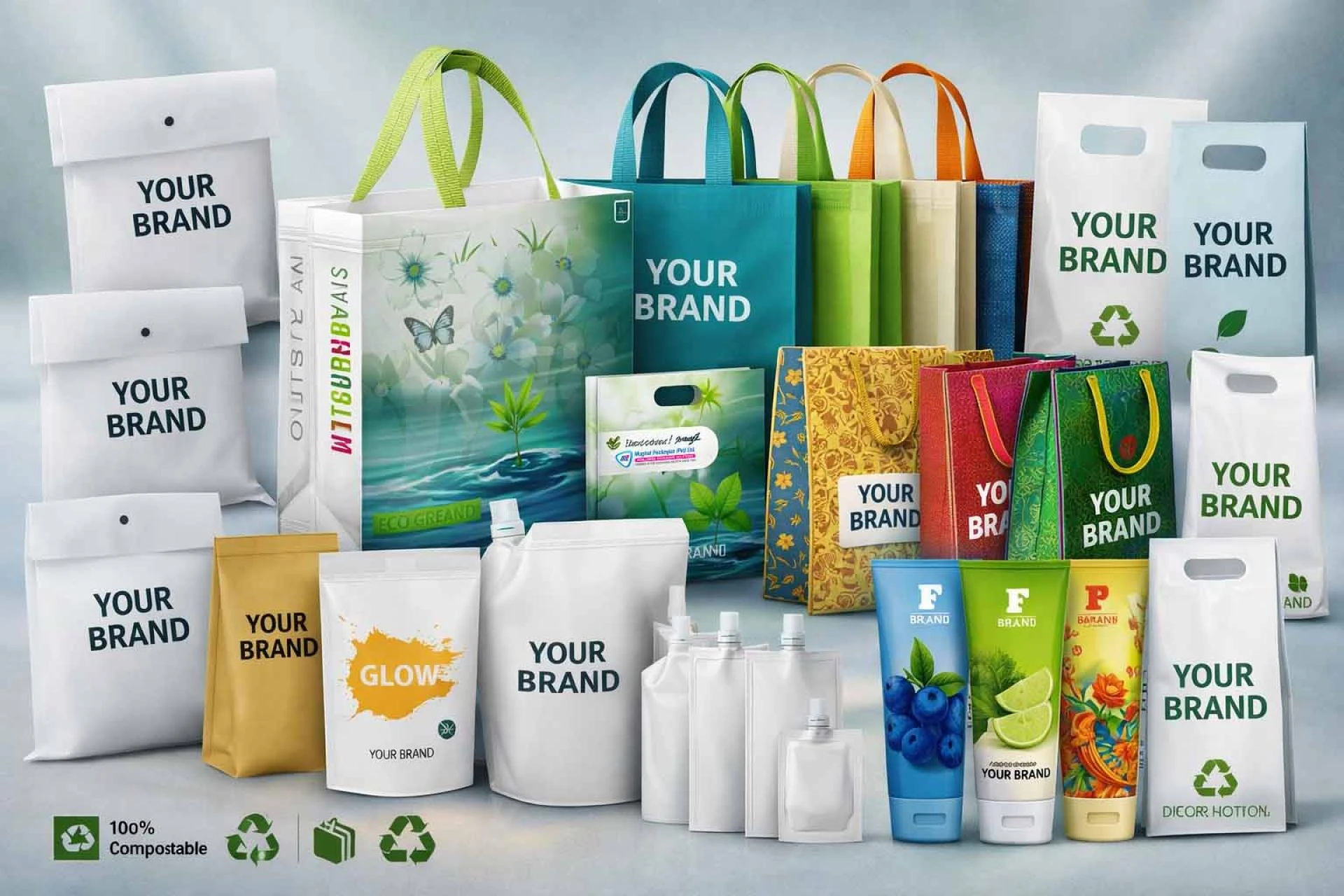
Packaging is more than a protective layer for your products. It shapes customer perception, enhances brand recognition, and influences buying behavior. For modern businesses, choosing the right packaging solutions is crucial to meet customer preferences, comply with regulatory requirements, and achieve sustainable practices. Companies that integrate eco-friendly, reusable, and durable options gain a competitive edge while contributing positively to the environment.
Understanding Regulatory Compliance in Packaging
Modern businesses must comply regulations for safety, quality, and environmental impact. Officials increasingly monitor single-use plastics and non-compliant materials, prompting companies to adopt eco-conscious alternatives. Staying informed on legal requirements ensures consistent delivery and reduces potential penalties. Certified suppliers and packers help businesses meet certifications and maintain trustworthiness with clients and shoppers.
- Ensure all materials are recyclable or biodegradable.
- Choose suppliers with certified production runs.
- Maintain records of compliance and regulatory initiatives.
Eco-Friendly Packaging for Long-Term Benefits
Switching to sustainable packaging reduces waste, carbon footprints, and landfill contributions. Options like compostable polymers, paper bags, non-woven fabrics, and polyethylene film provide lightweight, durable, and reusable alternatives. Companies adopting eco-conscious practices see long-term cost savings while improving brand reputation.
- Reusable pouches and bags enhance consumer convenience.
- Compostable materials support circular economy initiatives.
- Lightweight packaging reduces shipping costs and energy use.
Customization for Brand Recognition
Custom-designed packaging strengthens brand identity and creates a memorable product experience. Businesses can choose colors, logos, sizes, and types of bags to match brand ethos. Personalized wrapping for corporate gifts, giveaways, and boutique items makes products stand out on retail shelves.
- Zippered pouches and zipper bags improve product functionality.
- Customized options cater to niche markets and target demographics.
- Creative packaging enhances market appeal and customer loyalty.
Material Choices and Functionality
Selecting the right material is crucial for durability, reusability, and product protection. Businesses can choose paper, polyethylene, corrugate, tissue, or biodegradable polymers based on product weight, storage needs, and shipping requirements.
- Rigid packaging ensures protection for fragile items.
- Flexible packaging is ideal for groceries and perishable goods.
- Padded mailers and bubble cushions prevent damage during delivery.
Cost, Savings, and Efficiency
Investing in high-quality packaging provides long-term financial benefits. While custom production may seem moderately priced, the efficiency gained in shipping, storage, and reuse offsets initial spending.
- Bulk ordering of customized packaging solutions reduces per-unit costs.
- Durable materials reduce waste and reordering frequency.
- Efficient service from reliable suppliers ensures quick turnaround and order flexibility.
Marketing and Promotional Advantages
Packaging doubles as a marketing tool. Custom logos, creative designs, and visually appealing products enhance brand recognition and encourage repeat purchases. Corporate giveaways and promotional bags leave a lasting impression on customers.
- Eco-friendly packaging builds positive brand perception.
- Personalized packaging increases customer engagement.
- Branded pouches or merchandise packaging support advertising initiatives.
Storage, Shipping, and Convenience
Proper packaging ensures efficient storage, safe shipping, and consumer convenience. Lightweight, durable, and flexible options allow easy handling while protecting perishable items.
- Zippered bags improve product sealing and freshness.
- Inflatable air pillows and cushions prevent damage.
- Custom sizes optimize storage space and shipping efficiency.
Leveraging Packaging for Sustainability Goals
Companies committed to environmentally conscious practices can adopt recyclable, plastic-free, and biodegradable alternatives. Circular economy strategies help reduce waste and improve planet impact.
- Train employees on recycling and reuse.
- Cooperate with partners for responsible sourcing.
- Participate in sustainability initiatives to enhance reputation.
Enhancing Customer Experience and Loyalty
The right packaging solutions impact customer satisfaction. Durable, functional, and attractive packaging encourages repeat purchases and brand loyalty. Custom wrapping and personalized packaging show attention to customer preferences.
- Provide samples to gain trust and feedback.
- Offer flexible options for e-commerce and retail.
- Maintain consistency in packaging quality for reliable service.