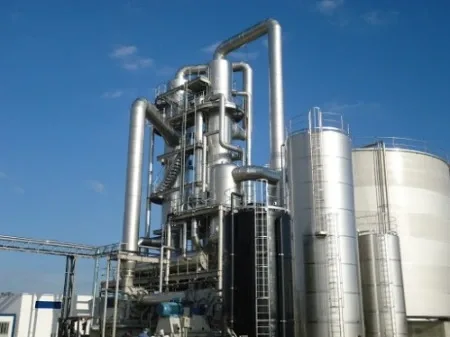
Modern industrial processing depends heavily on advanced purification and separation technologies capable of maintaining operational efficiency, product quality, and long-term reliability. One of the most important systems supporting these industrial operations is the distillation plant. These plants are widely used across industries because they provide accurate separation processes, efficient purification systems, and dependable operational performance under demanding industrial conditions.
Today, chemical industries, pharmaceutical sectors, petrochemical plants, food processing facilities, and renewable energy industries increasingly rely on advanced distillation plants for efficient industrial processing and product refinement.
Many industries also prefer working with a trusted Distillation Plant manufacturer to develop reliable and high-performance processing infrastructure suitable for modern industrial applications.
As industrial automation and intelligent manufacturing systems continue expanding, advanced distillation plant technology is becoming increasingly important for future industrial growth and operational efficiency.
Understanding Distillation Plant Technology
A distillation plant is an industrial processing system designed to separate and purify liquid mixtures based on differences in boiling points.
The distillation process generally involves heating liquid mixtures to generate vapor and then cooling the vapor to collect purified liquid components.
Modern distillation plants are engineered using advanced thermal processing technologies, automated operational systems, precision temperature controls, and high-efficiency separation infrastructure to improve operational reliability and product quality.
Distillation systems are commonly used for purification, solvent recovery, fuel processing, water treatment, and chemical manufacturing operations.
Reliable purification infrastructure is essential for supporting modern industrial processing systems and intelligent manufacturing environments.
Importance of Efficient Industrial Processing Systems
Industrial operations often involve complex chemical mixtures and processing requirements that demand accurate purification and separation technologies.
Traditional processing systems may experience operational inefficiencies, product contamination, and excessive energy consumption under demanding industrial conditions.
Distillation plant systems help industries maintain stable operational performance while improving processing efficiency and product consistency.
Some important operational advantages include:
- Accurate separation and purification processes
- Improved operational efficiency and product quality
- Reduced material wastage and processing losses
- Enhanced industrial productivity and process stability
These benefits help industries maintain safer and more productive operational environments.
Efficient industrial processing infrastructure is essential for modern manufacturing growth and industrial sustainability.
Improved Industrial Efficiency
One of the biggest advantages of advanced distillation plant systems is improved industrial efficiency.
Accurate purification processes help industries maintain stable operational conditions and improve manufacturing consistency.
Reliable distillation performance improves process coordination and supports smoother industrial workflow management.
Efficient processing systems also help reduce operational delays and improve resource utilization within industrial environments.
Improved operational efficiency contributes directly to higher productivity and long-term industrial profitability.
Modern industries increasingly depend on advanced distillation technologies to maintain competitive operational performance.
Enhanced Purification and Product Quality
Modern industrial systems require highly accurate purification technologies capable of maintaining stable product quality standards.
Distillation plants provide efficient separation of liquids and impurities within industrial processing operations.
Accurate purification is especially important in industries where operational precision directly affects product safety and manufacturing performance.
Reliable processing systems also help maintain stable production conditions and reduce operational inconsistencies within industrial environments.
Enhanced purification capabilities contribute directly to improved industrial reliability and manufacturing accuracy.
Efficient separation infrastructure is essential for modern industrial processing systems.
Applications Across Multiple Industries
Distillation plants are widely used across multiple industrial sectors because of their versatility and dependable operational performance.
Chemical industries use distillation systems for solvent recovery, chemical purification, and industrial processing operations.
Petrochemical industries rely on distillation plants for fuel refining and hydrocarbon separation infrastructure.
Pharmaceutical manufacturing facilities use advanced distillation systems for producing purified compounds and maintaining product quality standards.
Food and beverage industries, renewable energy projects, water treatment facilities, cosmetic manufacturing units, and industrial automation environments also depend heavily on distillation plant technology.
The broad industrial applications highlight the growing importance of advanced purification infrastructure in modern industrial systems.
Improved Safety and Operational Reliability
Industrial safety is extremely important in systems involving chemical processing, high temperatures, and continuous production operations.
Distillation plant systems help improve operational safety by maintaining stable purification processes and reducing the risk of contamination or operational failure.
Reliable processing systems also improve equipment coordination and reduce the chances of mechanical instability within industrial infrastructure.
Stable operational systems contribute directly to safer working conditions and better industrial reliability.
Modern industrial facilities increasingly depend on advanced processing technologies to maintain secure manufacturing systems.
Reliable operational infrastructure helps industries maintain long-term productivity and safer industrial environments.
Reduced Maintenance and Operational Downtime
Industrial downtime can significantly affect productivity, operational continuity, and profitability.
High-quality distillation plant systems are designed for long-term durability and reliable performance under demanding industrial conditions.
Reliable purification infrastructure helps reduce equipment instability and minimize operational failures within industrial environments.
Modern processing technologies also simplify maintenance procedures because of their advanced operational design and efficient system management capabilities.
Routine inspection and preventive maintenance are generally sufficient to maintain stable long-term plant performance.
Reduced maintenance requirements help industries improve operational continuity while lowering servicing expenses.
Reliable industrial infrastructure contributes directly to improved productivity and operational efficiency.
Support for Sustainable Industrial Development
Modern industries increasingly focus on environmentally responsible processing systems and sustainable industrial development.
Advanced distillation plant systems support sustainable operations by improving material recovery efficiency and reducing industrial waste generation.
Efficient purification infrastructure also helps optimize energy usage and improve operational resource management.
Reliable long-term performance contributes directly to lower replacement frequency and reduced environmental impact.
As industries continue focusing on sustainability and intelligent processing systems, advanced distillation technologies are becoming increasingly important.
Environmentally responsible industrial infrastructure is essential for future manufacturing development.
Importance of High-Quality Engineering Standards
The performance and reliability of distillation plant systems depend heavily on engineering precision, equipment quality, and manufacturing standards.
High-quality processing infrastructure provides better purification efficiency, improved operational stability, stronger safety performance, and enhanced long-term durability.
Industries often prefer advanced industrial systems because reliable infrastructure improves operational safety and long-term productivity.
Companies like Advance Biofuel contribute to industrial processing solutions by supporting advanced distillation technologies designed for modern manufacturing applications.
Reliable engineering standards are essential for maintaining stable industrial operations and efficient purification systems.
Future of Distillation Plant Technology
The future of distillation plant technology looks highly promising as industries continue investing in automation, intelligent manufacturing systems, and sustainable industrial infrastructure.
Modern distillation systems are being developed with improved purification technologies, enhanced energy efficiency, advanced automation capabilities, and better process optimization systems.
The growing demand for smart industrial systems and environmentally responsible manufacturing environments is expected to increase the importance of distillation plant technologies even further.
As industries continue focusing on automation, operational efficiency, and industrial productivity, advanced distillation plant systems are expected to remain essential for future industrial development.
Reliable processing infrastructure will continue supporting modern industrial growth and intelligent manufacturing operations worldwide.
Conclusion
Advanced distillation plant technology provides several important advantages that improve industrial purification efficiency, product quality, operational safety, and manufacturing reliability.
Its ability to support accurate separation processes, improve processing efficiency, reduce maintenance requirements, and maintain stable industrial operations makes it highly valuable across multiple industries.
From chemical manufacturing systems to renewable energy infrastructure and pharmaceutical processing operations, distillation plant systems continue supporting modern industrial growth and reliable operational performance.
As industries continue focusing on sustainability, automation, and intelligent manufacturing systems, advanced distillation plant technology is expected to remain an essential part of future industrial operations.