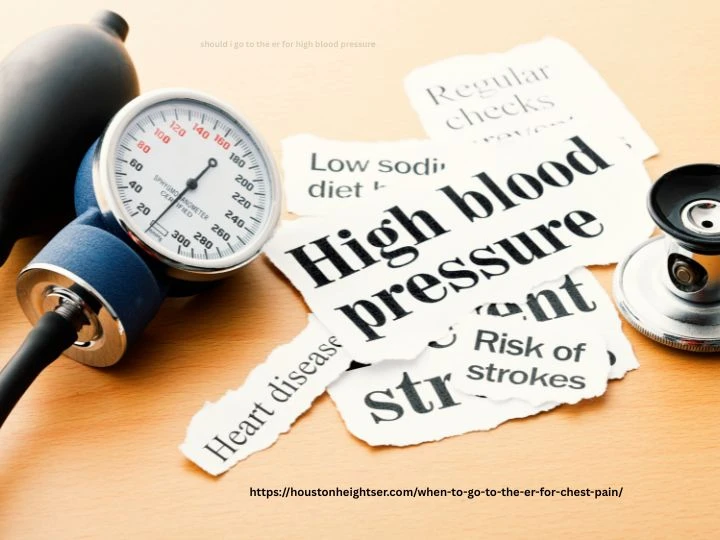
A sudden spike in blood pressure can be frightening and potentially life-threatening. Many people ask, should i go to the er for high blood pressure when their numbers rise unexpectedly. Recognizing the symptoms of a high blood pressure crisis can help you act quickly and get the urgent care you need.
What Is a High Blood Pressure Crisis?
A high blood pressure crisis, also called a hypertensive emergency, occurs when blood pressure rises to dangerous levels—often around 180/120 mmHg or higher—and begins to damage vital organs such as the heart, brain, or kidneys. Unlike chronic high blood pressure, which may have no noticeable symptoms, a hypertensive crisis often comes with warning signs that should never be ignored.
Symptoms to Watch For
Common symptoms of a blood pressure crisis include:
- Severe headache
- Chest pain or pressure
- Shortness of breath
- Blurred vision or sudden vision changes
- Nausea or vomiting
- Confusion, dizziness, or fainting
- Weakness or numbness on one side of the body
If you notice these symptoms, ask yourself should i go to the er for high blood pressure—and the answer is usually yes. Immediate medical attention is critical to prevent organ damage or life-threatening complications.
Chest Pain and Hypertensive Emergencies
High blood pressure can strain your heart, sometimes causing chest discomfort. Many people wonder, when should i go to the er for chest pain. Chest pain that is severe, persistent, or spreads to the arm, jaw, neck, or back is a medical emergency, especially if combined with extremely high blood pressure readings.
Shortness of Breath
Difficulty breathing is another serious symptom. People often ask, is shortness of breath an emergency. When it appears during a hypertensive crisis, it may indicate heart failure or fluid buildup in the lungs. Sudden or severe shortness of breath, especially along with chest pain, requires immediate ER care.
Abdominal Pain
Sometimes high blood pressure can cause or worsen abdominal discomfort. This raises the question of er or urgent care for stomach pain. Severe, sudden, or persistent abdominal pain—especially when paired with extremely high blood pressure, chest pain, or shortness of breath—should be treated in the ER rather than urgent care. Mild stomach pain without other symptoms may be monitored or treated at urgent care, but severe symptoms always warrant emergency evaluation.
When to Act
If you experience any of the warning signs of a hypertensive emergency, don’t wait. Call emergency services or go to the ER immediately. Early intervention can prevent serious complications such as stroke, heart attack, or kidney failure.
Final Thoughts
A high blood pressure crisis is a serious medical situation that demands quick action. Should i go to the er for high blood pressure? Yes, if readings are extremely high or accompanied by symptoms. When should i go to the er for chest pain? Immediately if severe or unusual. er or urgent care for stomach pain? Severe pain with other warning signs requires the ER. And is shortness of breath an emergency? Often, especially when sudden or worsening.