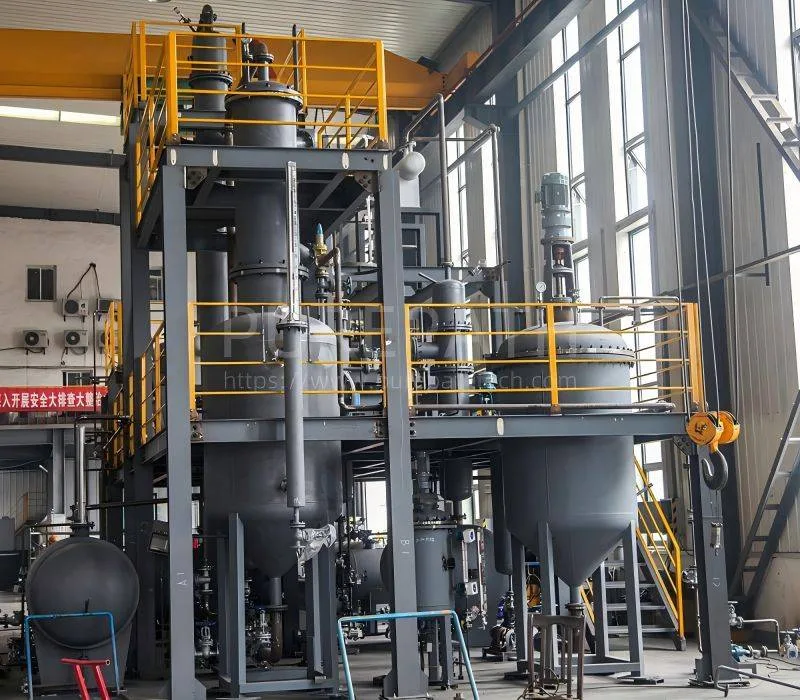
In many refineries, heavy fuel oil is a difficult stream to manage. It contains energy value, but it is too viscous and too heavy to sell efficiently in its raw form. The HFO visbreaking unit exists to solve exactly that problem. PurePath describes visbreaking as a thermal cracking process applied to heavy residual oils at high temperatures, breaking large hydrocarbon molecules into smaller ones and reducing viscosity. The company positions its unit as a way to turn underused residue into lighter, more profitable products while improving operational efficiency and environmental performance.
The commercial logic behind the HFO visbreaking unit is straightforward. Heavy residue is not waste, but it does need to be upgraded before it becomes marketable. PurePath says the process can produce naphtha, gas oil, diesel, and residual fuel, and it also notes applications in marine fuel, power generation, and petrochemical feedstock supply. That versatility matters because different industries place different demands on viscosity, combustion behavior, and blending characteristics. A refinery that can convert heavy fuel oil into a broader slate of products gains much more flexibility than one that simply stores or sells residue at a discount.
From a process-engineering standpoint, PurePath’s description shows two common visbreaking modes: coil visbreaking and soaker visbreaking. The company explains that the feed can be preheated and then rapidly heated in a furnace, or it can be held longer in a soaker drum at controlled conditions. These alternatives matter because refineries have different design goals, feed characteristics, and throughput requirements. The important point is not just that cracking happens, but that the process can be tuned to reduce viscosity and create more useful lighter fractions with the right balance of severity and yield.
The wider significance of this unit is its role in the overall crude oil refining process. After a crude oil distillation unit produces heavy bottoms, the refinery must decide whether to leave them as low-value residue or push them into a conversion route. The HFO visbreaking unit gives that residue a second life. It raises the value of the barrel by shrinking the heavy fraction and increasing the amount of saleable middle and light products. In practical terms, that means more diesel and gas oil, less unproductive inventory, and better refinery economics.
PurePath also frames the unit in terms of profitability and sustainability. The company highlights energy-efficient heat transfer, lower fuel consumption, higher throughput, low-emission design, and strong construction for severe operating conditions. Those details show that visbreaking is not only about product recovery; it is also about making the plant easier to run profitably and responsibly. In an industry where residue handling can be a major cost burden, any unit that improves yield while reducing the need for expensive upgrading systems can have a major impact on the refinery’s financial performance.
Ultimately, the HFO visbreaking unit is a bridge between heavy residue and usable value. It gives refineries a way to respond to crude quality changes, market demand shifts, and fuel specification pressure without losing the energy locked inside heavy oil. When combined with a strong distillation front end and a reliable hydrotreating strategy, visbreaking becomes part of a complete refining logic: separate the feed, upgrade the residue, clean the products, and send out a wider range of market-ready streams. That is why visbreaking remains an important tool for modern refiners looking to extract more from every barrel.