Hex nuts are one of the most common types of nuts used in mechanical and industrial applications. They are simple in design, easy to install, and available in many sizes and materials. You can find them in machines, steel structures, automotive parts, construction equipment, pipelines, and general engineering assemblies.
A hex nut is normally used together with a bolt, stud, or threaded rod. When tightened, the nut holds the connected components together and helps create a secure joint.
Although hex nuts have a basic shape, choosing the correct nut is important. The material, size, thread, grade, finish, and application all affect how well the nut performs.
What Are Hex Nuts?
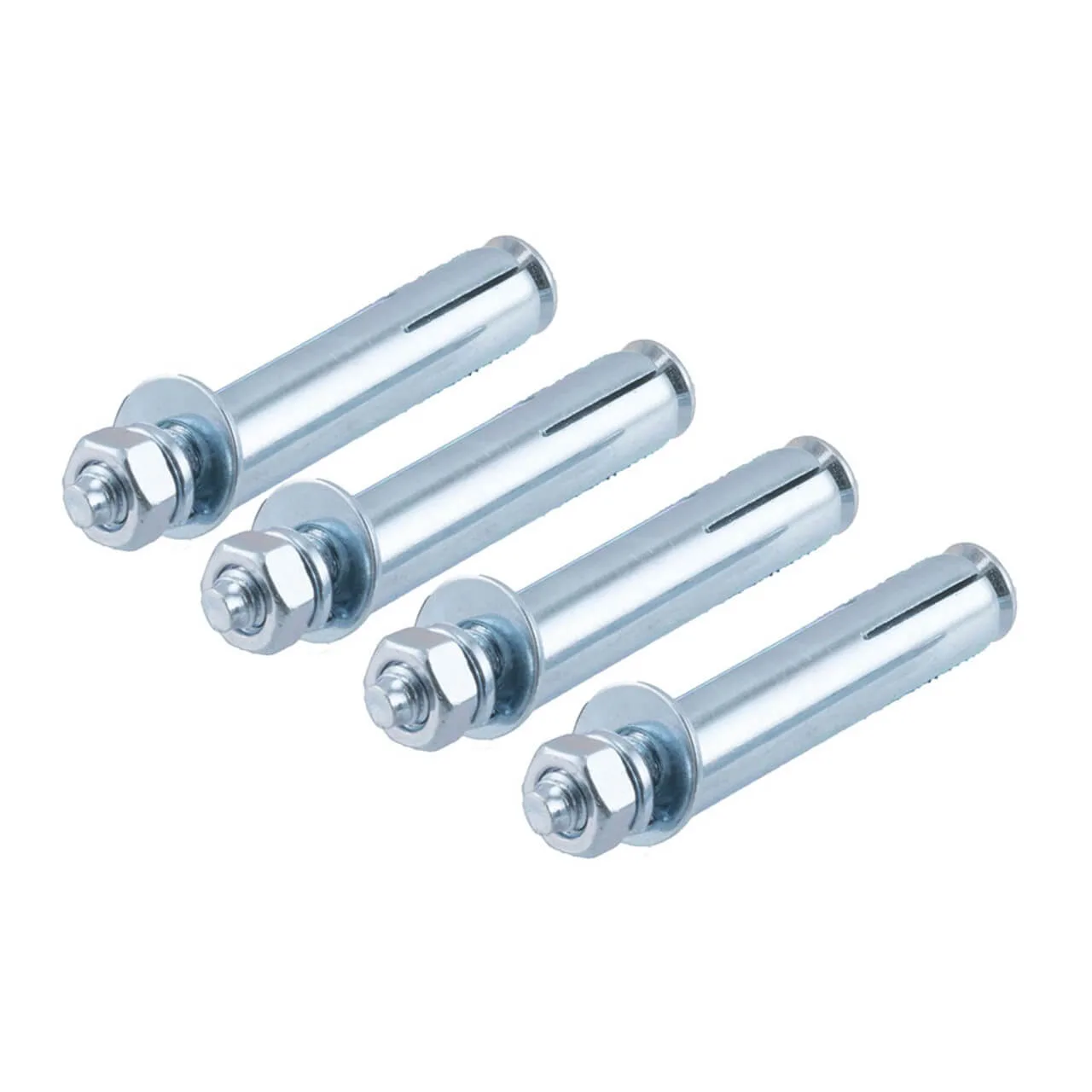
Hex nuts are internally threaded fasteners with six flat sides. The six-sided shape gives the nut its name and makes it easy to tighten or loosen using a standard spanner or wrench.
The internal threads match the external threads of a bolt, stud, or threaded rod. When the nut is turned onto the threaded fastener, it applies clamping force to the connected parts.
Hex nuts are available in different sizes, thicknesses, thread types, materials, and finishes to suit different applications.
How Do Hex Nuts Work?
The working principle of a hex nut is straightforward.
A bolt or threaded rod passes through the components that need to be joined. The hex nut is then placed on the threaded section and tightened.
As the nut moves along the threads, it pulls the connected components together. This creates a clamping force that helps keep the assembly secure.
In a properly designed joint, the nut and bolt work together to maintain the required connection during service.
Main Features of Hex Nuts
Hex nuts are popular because of their simple and practical design.
Important features include:
- Six-sided outer shape
- Internal threads
- Easy wrench access
- Availability in many sizes
- Different material options
- Different grades for different applications
- Plain and coated finishes
- Compatibility with many standard bolts and studs
Their simple shape makes them suitable for both general-purpose and industrial fastening.
Types of Hex Nuts
There are several types of hex nuts available for different applications.
Standard Hex Nuts
Standard hex nuts are commonly used for general fastening work. They are available in a wide range of sizes and thread configurations.
Heavy Hex Nuts
Heavy hex nuts have a larger and thicker profile than standard hex nuts. They are commonly used in structural and heavy-duty applications where the joint design calls for a larger nut bearing area.
Lock Nuts
Lock nuts are designed to help resist loosening caused by vibration or movement. Different locking designs are available for different applications.
Nylock Nuts
Nylock nuts have a nylon insert that helps resist loosening when properly installed. They are often used in machinery and applications where vibration is a concern.
Flange Nuts
Flange nuts have an integrated flange below the hex section. The flange provides a wider bearing surface and can help distribute the clamping load over a larger area.
Jam Nuts
Jam nuts are thinner than standard nuts and are commonly used where space is limited or where two nuts are used together for locking.
Materials Used for Hex Nuts
The material should be selected according to the application and service conditions.
Carbon Steel
Carbon steel hex nuts are widely used for general engineering, machinery, construction, and fastening applications.
Alloy Steel
Alloy steel nuts can be selected for applications requiring higher mechanical performance, depending on the required grade and specification.
Stainless Steel
Stainless steel hex nuts are commonly used where corrosion resistance is important. They are suitable for many outdoor, marine, food-processing, chemical, and general industrial applications, depending on the grade and environment.
Brass
Brass nuts are useful in selected electrical, plumbing, and decorative applications where corrosion resistance and good machinability are required.
The correct material depends on factors such as load, environment, temperature, corrosion exposure, and compatibility with the mating bolt.
Common Applications of Hex Nuts
Hex nuts are used across many industries.
Construction
Hex nuts are used with bolts and threaded rods in construction and structural assemblies.
Automotive
They are found in various vehicle components, brackets, assemblies, and mechanical systems.
Industrial Machinery
Machines and equipment use hex nuts to secure components and assemblies.
Steel Structures
Structural fastening systems can use suitable hex nuts with compatible bolts to connect steel components.
Plumbing and Piping
Hex nuts may be used in supports, brackets, equipment connections, and other fastening arrangements.
Electrical Equipment
Suitable nuts are used to secure components, panels, brackets, and equipment assemblies.
General Engineering
Workshops and manufacturing facilities use hex nuts for maintenance, fabrication, machinery, and general assembly work.
Benefits of Hex Nuts
Hex nuts remain popular because they offer several practical advantages.
Easy to Install
The six-sided shape provides a good surface for a spanner or wrench.
Simple Design
There are no complicated moving parts, making hex nuts straightforward to use and maintain.
Wide Size Range
Hex nuts are available in many sizes and thread configurations.
Different Material Options
Users can choose materials based on strength, corrosion resistance, temperature, and other requirements.
Easy Replacement
Common sizes are widely available, making replacement relatively simple.
Suitable for Many Applications
From basic workshop assemblies to industrial equipment, hex nuts can be used in a wide range of fastening jobs.
How to Select the Right Hex Nut
Selecting a nut should involve more than simply matching its diameter.
Consider the following factors:
Nut Size
The nut size must match the bolt or threaded rod being used.
Thread Type
The internal thread must correctly match the external thread. Thread form, diameter, and pitch should all be checked.
Material and Grade
Choose a nut material and grade that are suitable for the load and service conditions.
Strength Requirements
The nut should be compatible with the bolt or stud and suitable for the required joint performance.
Corrosion Conditions
For outdoor, marine, chemical, or humid environments, corrosion resistance may be an important consideration.
Finish
Coatings or surface treatments may be selected to provide additional corrosion protection or other required properties.
Application
Consider vibration, temperature, load, installation conditions, and available space before selecting the nut.
Importance of Matching Nuts and Bolts
A nut should be compatible with the bolt or stud being used.
The thread size and type must match correctly. The material and mechanical grade should also be suitable for the joint.
Using an unsuitable nut can create problems during installation and may affect the reliability of the connection.
For critical applications, the nut and mating fastener should be selected according to the applicable specification and engineering requirements.
Hex Nuts vs Lock Nuts
FeatureHex NutsLock NutsMain purposeGeneral fasteningFastening with additional resistance to looseningDesignStandard hex shapeVarious locking designsInstallationSimpleDepends on locking methodVibration resistanceDepends on joint designDesigned to improve resistance to looseningApplicationsGeneral and industrialMachinery and vibration-prone applicationsA standard hex nut may be sufficient for many applications, while a locking nut can be considered where vibration or movement creates a loosening concern.
Quality Checks for Hex Nuts
Good-quality hex nuts should be checked according to the required specification.
Common inspection points include:
- Outside dimensions
- Nut thickness
- Thread size and condition
- Hex dimensions
- Surface finish
- Material verification where required
- Visual condition
- Coating or plating condition, where applicable
For industrial orders, inspection requirements can be agreed according to the application and relevant specification.
Why Choose Rajgranth Fasteners for Hex Nuts?
Rajgranth Fasteners supplies hex nuts for industrial, engineering, construction, machinery, and general fastening applications.
The right nut can be selected based on size, material, thread requirements, finish, grade, and application.
For bulk or industrial requirements, providing clear information about the mating bolt, required dimensions, material, grade, quantity, and application helps ensure that the correct hex nut is supplied.
Conclusion
Hex nuts are simple fastening components, but they are essential for creating secure and reliable bolted connections. Their six-sided design makes them easy to tighten and remove, while the wide choice of sizes, materials, grades, and finishes allows them to be used in many different applications.
From machinery and automotive equipment to construction, steel structures, piping, and general engineering, hex nuts provide a practical fastening solution.
The key to good performance is choosing a nut that correctly matches the bolt or threaded rod and suits the load and working environment. With the right selection and proper installation, hex nuts can provide dependable fastening for a wide range of industrial applications.
For more details contact us-
[email protected]
Phone-+91-7977945282
Website-https://www.rajgranthfasteners.com/hex-nuts-manufacturers-suppliers-exporters-stockists.html