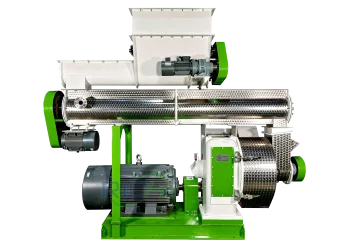
Hemp processing can generate stalks, leaves, fibers, and other biomass residues. When these materials are properly prepared, they can be densified into pellets for fuel and other biomass applications.
A suitable hemp pellet machine provides the compression stage, but successful production depends on the complete process. Raw material condition, moisture, particle size, and pellet specifications all influence the final result.
Hemp as a Pelletizing Material
Hemp stalks and other residues are fibrous biomass materials. Their physical characteristics can vary depending on the hemp variety, harvesting method, storage conditions, and processing method.
Loose hemp residues can occupy considerable storage space. Pelletizing reduces the bulk volume and creates a more standardized material that can be handled and transported more conveniently.
The resulting pellets may be used as biomass fuel where the material composition and local regulations permit their use.
Raw Material Preparation
Hemp residues normally require preparation before entering the pelletizing chamber.
Large stalks can be cut or crushed into smaller pieces. The material may then pass through a grinding stage to obtain a more uniform particle size.
Moisture is another important factor. Freshly harvested hemp can contain more moisture than material that has been properly stored and dried. If the moisture level is unsuitable for pelletizing, a drying system may be added to the production line.
The preparation process should be determined from actual material conditions rather than using one fixed configuration for every hemp project.
Main Production Stages
A typical hemp biomass pellet process can include:
- Raw material receiving
- Cutting or crushing
- Drying when required
- Grinding
- Pelletizing
- Cooling
- Screening
- Packaging
Small projects may use a simplified configuration, while larger plants can integrate the stages with conveyors and automatic controls.
The objective is to maintain a stable material flow from the preparation section to the finished pellet section.
The Role of Moisture
Moisture affects the way biomass behaves during compression. Material that is too wet can make pellet formation unstable, while excessive drying can increase energy consumption.
For this reason, moisture control should be considered before selecting the pelletizer.
If the raw material varies significantly during different seasons, the drying system may also need sufficient adjustment capacity to handle these changes.
Pelletizing and Compression
During pelletizing, prepared hemp particles enter a compression chamber where mechanical pressure forms them into cylindrical pellets.
The selected die specification influences pellet diameter and production performance. Machine capacity also depends on material characteristics and operating conditions.
The pelletizer should therefore be selected according to the intended output and pellet requirements rather than only by motor power.
Cooling and Screening
Fresh pellets leave the compression stage at an elevated temperature and may still contain internal stress. Cooling helps stabilize the pellets before further handling.
After cooling, screening can remove excessive fines and separate material that does not meet the required size specifications.
The rejected fines can potentially return to the production process, depending on the overall system design and material characteristics.
Comparing Hemp With Other Biomass
Different agricultural residues can require different preparation methods even when they are processed into the same type of fuel pellet.
For example, a 5T/H sunflower shell pellet machine may work with a material that is already relatively small and uniform after agricultural processing. Hemp stalks, by contrast, can require more size reduction because of their long and fibrous structure.
This illustrates why a biomass pellet machine should be selected according to the physical characteristics of the feedstock.
Small and Commercial Production
A small hemp pellet project may focus on utilizing residues generated by a local processing operation. Such a system can use simpler feeding, conveying, and packing arrangements.
A commercial biomass producer may require continuous operation with automatic feeding, drying, cooling, screening, and packaging.
The correct capacity should be determined by the available raw material and expected pellet demand. Oversized equipment can increase investment without providing corresponding benefits if the material supply is insufficient.
Equipment Selection
When evaluating a hemp pellet project, buyers should provide information about raw material type, moisture, particle size, desired pellet diameter, target capacity, and final application.
A supplier can then determine whether the project needs crushing, drying, grinding, cooling, screening, and packing equipment in addition to the main pelletizer.
The pellet making machine should be treated as part of a complete process rather than as an isolated purchase.
Conclusion
Hemp residues can be converted into a denser and more manageable biomass product through appropriate preparation and pelletizing. Stable production depends on controlling moisture, reducing particle size, selecting suitable compression equipment, and properly cooling the finished pellets.
For buyers planning a hemp biomass project, understanding the entire process is more useful than comparing machine prices alone. Additional equipment and configuration information can be found by read more about biomass pellet production systems and project planning.