
Hearing health is an essential part of overall well-being, yet it is often overlooked until noticeable problems arise. A structured and professional approach can make a significant difference in identifying, treating, and managing hearing issues effectively. This is where a Hearing Service Program becomes invaluable. It offers a comprehensive, step-by-step care pathway designed to guide individuals from initial assessment through long-term hearing support. Understanding how this process works can help individuals feel more confident and prepared when seeking hearing care.
Understanding the Purpose of a Hearing Service Program
A Hearing Service Program is designed to provide personalized care for individuals experiencing hearing difficulties. Rather than offering a one-size-fits-all solution, it focuses on tailored treatment plans that meet each person’s unique needs. The program typically includes evaluation, diagnosis, device fitting, and continuous support. This structured approach ensures that no step is missed and that patients receive consistent, high-quality care.
The goal is not only to improve hearing but also to enhance communication, social interaction, and overall quality of life. By following a systematic process, hearing professionals can deliver more accurate results and better long-term outcomes.
Step 1: Initial Consultation and Hearing Assessment
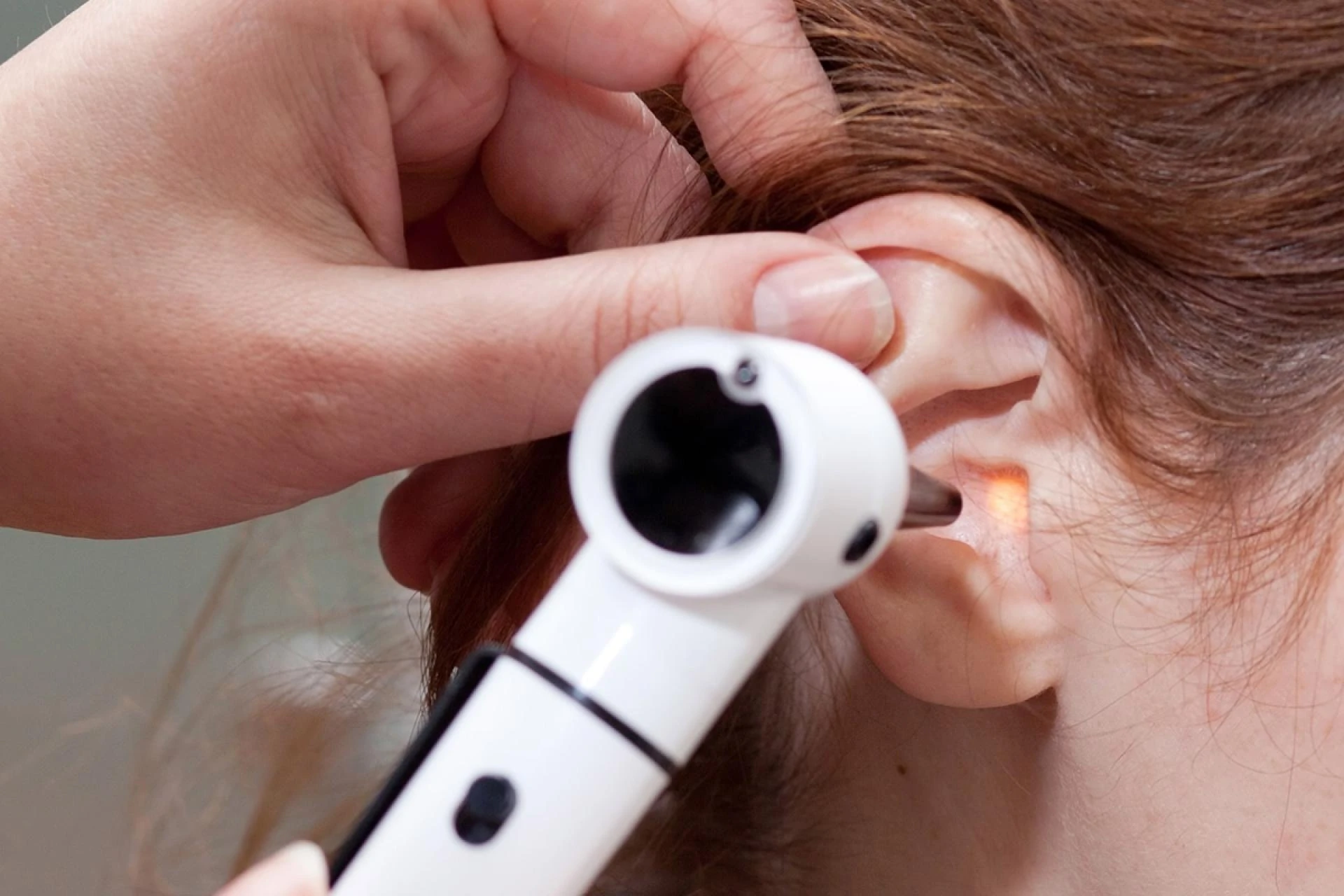
The first step in any effective program is a detailed consultation. During this stage, hearing specialists gather information about the patient’s medical history, lifestyle, and specific hearing concerns. This helps in understanding the root cause of the problem.
A comprehensive hearing assessment is then conducted using advanced diagnostic tools. These tests measure different aspects of hearing ability, such as sensitivity to sounds, speech recognition, and the ability to hear in noisy environments. The results provide a clear picture of the individual’s hearing condition.
This step is crucial because it forms the foundation for the entire care plan. Accurate diagnosis ensures that the right solutions are recommended.
Step 2: Personalized Treatment Planning
Once the assessment is complete, the next step is to create a customized treatment plan. Hearing loss can vary greatly from person to person, so a personalized approach is essential.
The treatment plan may include hearing aids, tinnitus management strategies, or other assistive listening devices. The specialist will explain the available options, taking into account the patient’s preferences, budget, and lifestyle. This collaborative approach ensures that the patient feels involved and comfortable with the chosen solution.
At this stage, patients also receive guidance on what to expect during the treatment process, helping to reduce anxiety and build trust.
Step 3: Hearing Aid Selection and Fitting
For many individuals, hearing aids play a central role in improving hearing. Selecting the right device is a critical part of the process. Hearing aids come in various styles and technologies, each designed to suit different levels of hearing loss and personal preferences.
After selecting the appropriate device, a precise fitting is carried out. This involves programming the hearing aids according to the individual’s hearing profile. Advanced technology allows for fine-tuning to ensure optimal performance in different environments.
Proper fitting is essential for comfort and effectiveness. Patients are also educated on how to use, clean, and maintain their devices to ensure long-term reliability.
Step 4: Counseling and Adaptation Support
Adjusting to hearing aids or new hearing solutions can take time. That’s why counseling and support are an important part of the program. Patients are guided through the adaptation process, learning how to interpret new sounds and adjust to improved hearing.
This stage often includes communication strategies to help individuals and their families interact more effectively. For example, learning how to position oneself in conversations or reduce background noise can significantly improve communication.
Emotional support is also provided, as hearing loss can sometimes lead to frustration or social withdrawal. Encouragement and reassurance help patients stay motivated throughout their journey.
Step 5: Follow-Up Appointments and Adjustments
Hearing care does not end after the initial fitting. Regular follow-up appointments are essential to ensure that the treatment is working effectively. During these visits, hearing specialists make necessary adjustments to the devices based on patient feedback.
These sessions also provide an opportunity to address any concerns or challenges the patient may be facing. Continuous monitoring helps in maintaining optimal hearing performance and prevents potential issues from escalating.
Follow-ups are a key component of long-term success, as hearing needs can change over time.
Step 6: Ongoing Maintenance and Long-Term Care
A comprehensive program includes long-term care to support patients throughout their hearing journey. This involves routine check-ups, device maintenance, and updates to treatment plans as needed.
Hearing aids and other devices require regular servicing to function properly. Patients are encouraged to schedule periodic visits to ensure their equipment remains in good condition.
Additionally, ongoing care helps in identifying any changes in hearing ability early, allowing for timely intervention. This proactive approach ensures that patients continue to enjoy clear and effective hearing.
Benefits of a Structured Hearing Care Approach
A step-by-step Hearing Service Program offers numerous benefits. It provides a clear roadmap for patients, reducing confusion and uncertainty. Each stage is carefully planned to ensure comprehensive care, from diagnosis to long-term support.
Patients benefit from personalized solutions that are tailored to their specific needs. This leads to better outcomes and higher satisfaction levels. The program also emphasizes education and support, empowering individuals to take control of their hearing health.
Moreover, regular follow-ups and maintenance ensure that the results are sustainable over time. This holistic approach makes a significant difference in improving overall quality of life.
Why Professional Guidance Matters
Hearing care is a specialized field that requires expertise and precision. Attempting to manage hearing issues without professional guidance can lead to ineffective results or even further complications.
A structured program ensures that all aspects of hearing care are addressed systematically. From accurate diagnosis to advanced treatment options, professional support plays a vital role in achieving the best outcomes.
Patients can also benefit from the latest technologies and evidence-based practices, which are continuously evolving to provide better solutions.
Taking the First Step Toward Better Hearing
Many people delay seeking help for hearing issues, often due to uncertainty or lack of awareness. However, early intervention can make a significant difference. Addressing hearing problems at an early stage can prevent further deterioration and improve overall communication.
A well-designed program provides the confidence and support needed to take that first step. By understanding the process and knowing what to expect, individuals are more likely to seek the help they need.
In the end, investing in hearing care is an investment in a better quality of life. With the right guidance and a structured approach, individuals can regain clarity, confidence, and connection in their daily lives.
In conclusion, a Hearing Service Program offers a comprehensive and effective pathway to better hearing. From initial assessment to ongoing care, each step is designed to provide personalized support and optimal results. By following this structured approach, individuals can experience improved hearing, enhanced communication, and a more fulfilling life through a trusted Hearing Service Program.