"Haulage" and "freight" get used almost interchangeably in everyday conversation, and for most people that's fine. But when you're actually arranging transport for your business, understanding the distinction — and where courier, pallet, and dedicated services fit alongside them — helps you ask for the right thing and get an accurate quote the first time. Here's a straightforward breakdown.
Haulage: Moving Larger Volumes by Road
Haulage generally refers to the road transport of larger volumes of goods, typically using bigger vehicles such as HGVs, and is most associated with bulk cargo — construction materials, large equipment, industrial goods, or full loads that wouldn't fit on a standard van or single pallet. It's the workhorse end of road transport, built around moving substantial quantities from one point to another, often for businesses in construction, manufacturing, or wholesale distribution.
Freight: The Broader Umbrella Term
Freight is a broader term that covers goods being transported commercially by any method — road, rail, sea, or air — and by any scale, from a single pallet to a full container. When people talk about "freight services," they're often referring to the wider logistics process: arranging transport, handling documentation, and managing the movement of goods from origin to destination, which may well include haulage as one part of that process.
Where Courier and Pallet Services Fit In
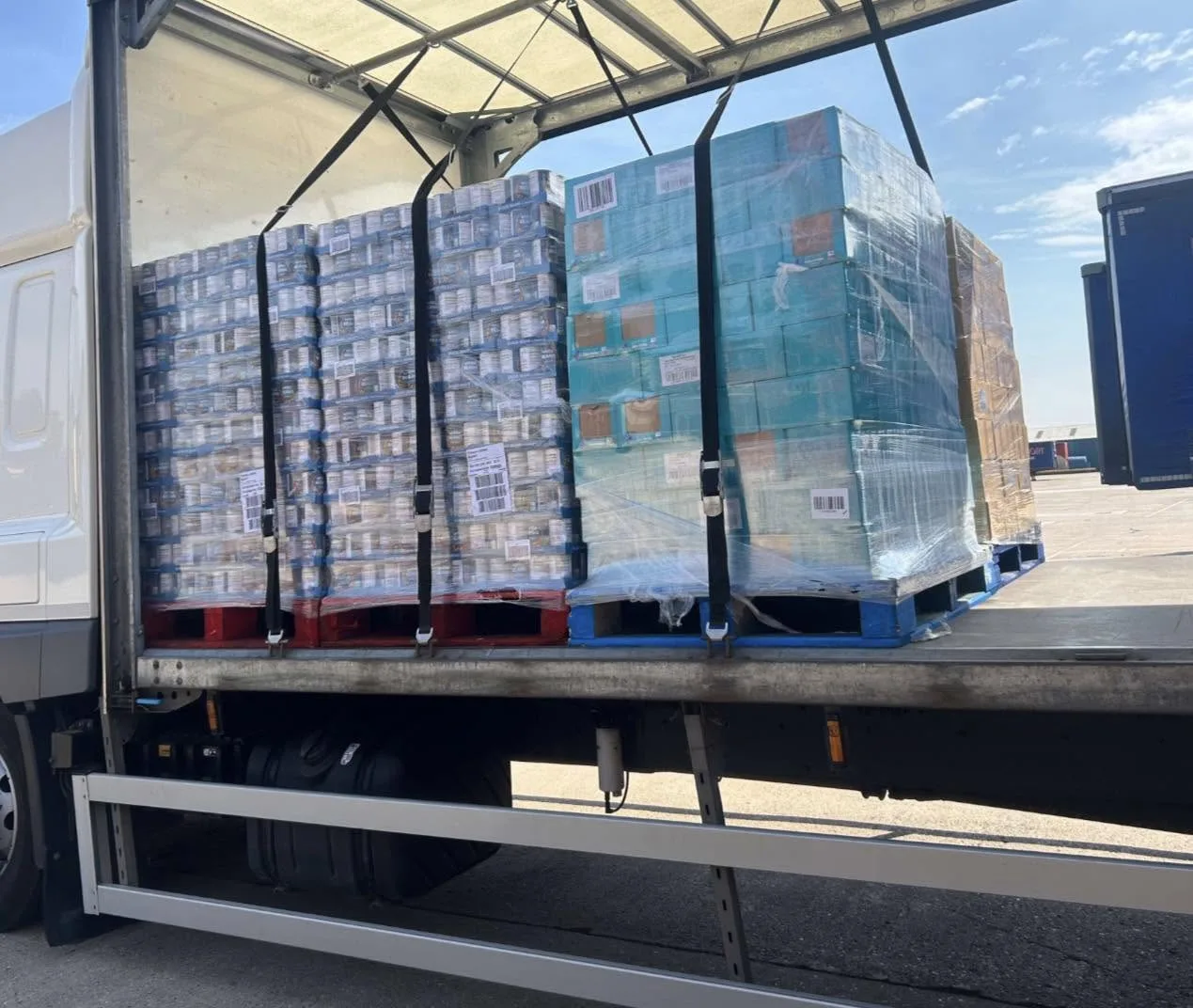
Between these two sits a range of smaller-scale options. A courier service is typically suited to smaller, often time-critical shipments using a van rather than an HGV. Pallet delivery sits in the middle — larger than a courier parcel but smaller than a full haulage load, often moved via a groupage network or a dedicated vehicle depending on urgency. Understanding where your shipment falls on this scale is the first step to getting the right quote and the right vehicle for the job.
How to Decide What You Actually Need
The simplest way to work out which service applies to your shipment is to start with size and weight. A handful of boxes or documents almost always means a courier. A single pallet or a small number of pallets points toward pallet delivery. Bulk materials, large equipment, or multiple pallets that need to move together as one load typically call for haulage or a dedicated vehicle. And if you're shipping internationally, freight forwarding brings in the customs and documentation expertise that pure haulage doesn't typically cover.
Why the Distinction Matters for Pricing and Speed
Getting this right matters because pricing, vehicle type, and delivery speed all depend on it. Booking haulage for a job that only needs a pallet delivery service means paying for capacity you don't need. Trying to fit a haulage-scale job into a pallet network means delays, extra handling, or the shipment simply being refused. A logistics provider who offers the full range — courier, pallet, dedicated, and haulage — can advise on the right fit rather than trying to squeeze your shipment into whatever service they happen to offer.
One Partner, the Right Service Every Time
For businesses whose shipping needs vary — sometimes a single urgent parcel, sometimes a pallet of stock, occasionally a full haulage load of materials — working with a logistics provider who covers the whole range means you're never stuck explaining your requirements to a new provider or working out which specialist to call. You simply describe what needs to move, and the right service and vehicle follow from there.