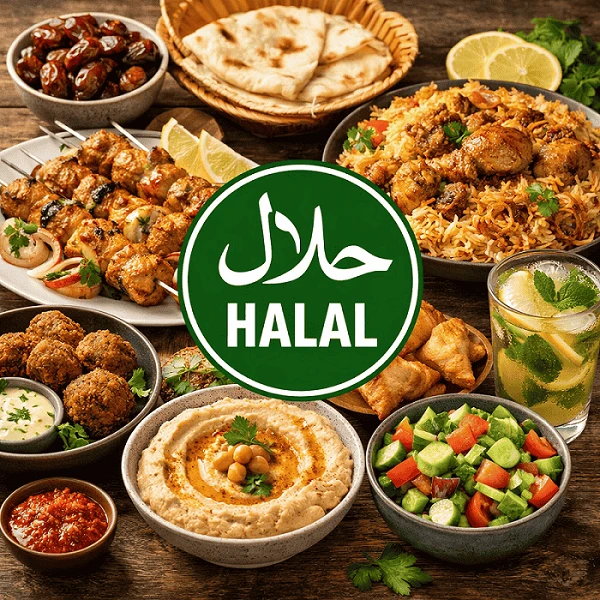
Halal Food and Drink Market go beyond religious observance—they represent trust in quality, hygiene, and animal welfare for millions of everyday consumers. Parents stock pantries with certified snacks and juices for their kids, travelers confidently order meals at airports, and health-conscious shoppers pick halal-certified dairy, meats, and beverages that align with clean eating goals. This ingredient of reliability helps brands build loyalty in a world where transparency about sourcing and processing builds real connections.
Manufacturers face the challenge of scaling halal-compliant production while innovating for busy lifestyles, from ready-to-eat meals to plant-based alternatives that respect dietary rules. Recent shifts in global trade and consumer habits are pushing companies to strengthen certification processes and diversify supply chains. By 2031, halal food and drink will anchor a more inclusive food system, blending cultural heritage with forward-thinking sustainability.
Market leaders and key company profiles
- Al Islami Foods
- American Halal Company, Inc.
- Beijing Shunxin Agriculture Co., Ltd.
- BRF S.A.
- Cleone Foods Ltd.
- Midamar Corporation
- Namet G
- da San. Ve Tic. Inc.
- Nema Food Company
Segments Covered
By Product
- Meat and Alternatives
- Milk and Milk Products
- Fruits and Vegetables
- Grain Products
By Distribution Channel
- Supermarkets/Hypermarkets
- Convenience Stores
- Online Retail
Latest Industry News and Developments
Recent reports spotlight halal food and drink market momentum, with Middle East nations challenging Southeast Asia in manufacturing hubs through investments in processing tech and logistics. China’s halal sector surges via domestic demand and Belt-and-Road exports, emphasizing certified meats and beverages. Producers launch vegan halal burgers and supplements, responding to animal welfare concerns and flexitarian trends. E-commerce platforms accelerate access, while governments like those in UAE and Saudi Arabia streamline certification to attract investors. Supply chain resilience remains key amid global disruptions, with blockchain traceability enhancing consumer trust in halal food and drink authenticity.
Forward-Looking Strategies
Brands succeeding in halal food and drink prioritize co-branded certifications, localized flavors, and sustainable packaging to appeal broadly. Suppliers invest in halal-compliant facilities and R&D for longer-shelf-life products that suit global shipping. By 2031, those blending digital sales, ethical innovation, and cross-cultural marketing will lead, making halal food and drink a staple for inclusive, flavorful living worldwide.
Source: https://www.theinsightpartners.com/reports/halal-food-and-drink-market