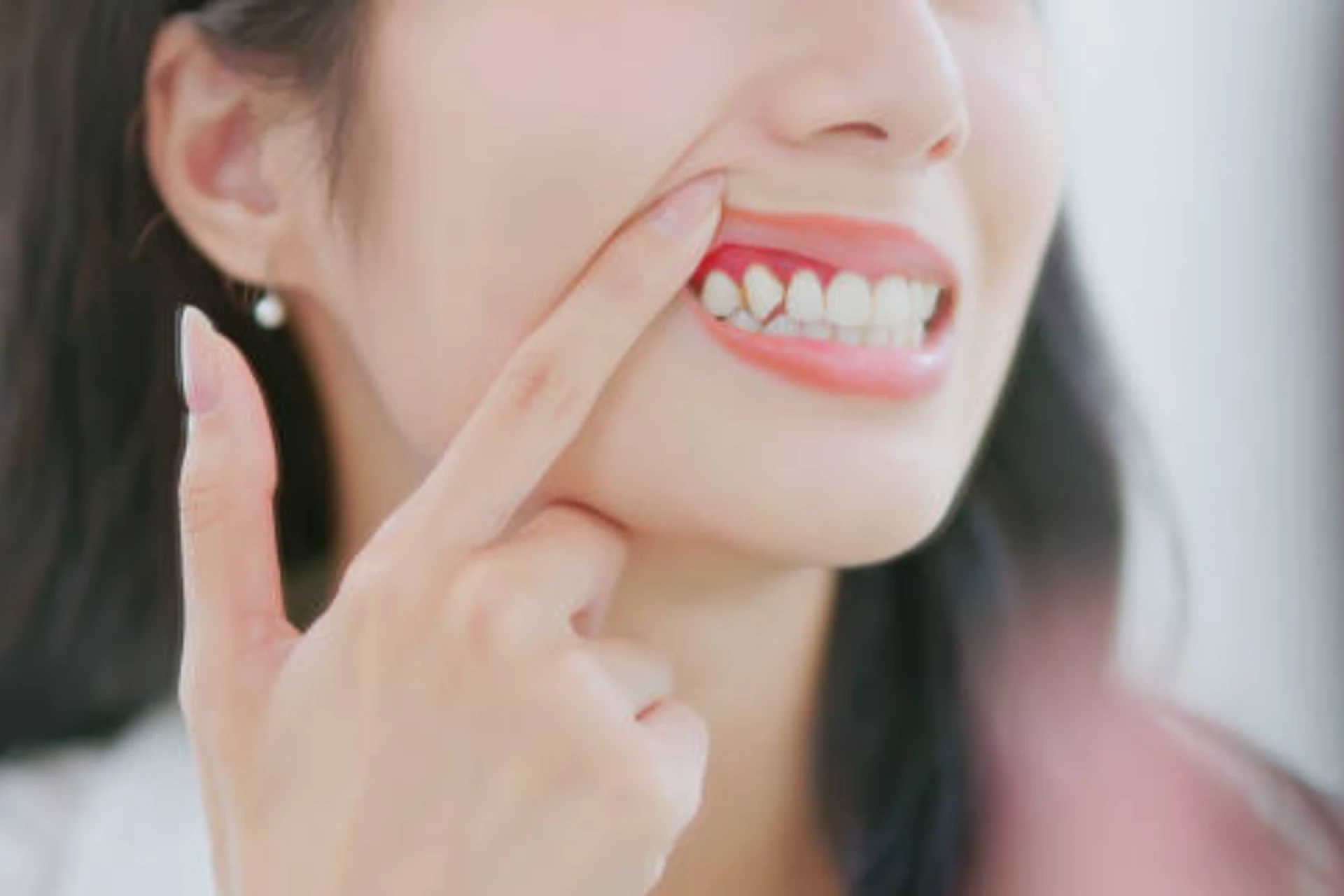

Many people develop habits like nail-biting or chewing on pens without realizing the long-term effects on their dental health. These seemingly harmless actions can lead to serious dental issues if left unchecked. If you are looking for a dentist near Bolton, understanding the impact of these habits is essential to prevent future complications.
Why Nail-Biting and Pen Chewing Are Harmful
Chewing on hard objects repeatedly can put excessive pressure on your teeth and jaw. Over time, this can cause:
- Small chips or cracks in your teeth
- Worn-down enamel, making teeth more sensitive
- Misalignment of teeth due to uneven pressure
- Jaw pain or temporomandibular joint (TMJ) disorders
These habits may also introduce harmful bacteria from your nails or pens into your mouth, increasing the risk of infection and gum disease.
Long-Term Effects on Your Teeth
The damage caused by nail-biting or pen chewing often accumulates slowly. Some of the long-term effects include:
- Tooth fractures requiring dental restorations
- Increased wear leading to irregular tooth shapes
- Gum irritation and potential recession
- Higher chances of developing cavities
Even if you do not experience immediate pain, your teeth are gradually weakening. Early intervention is always better than waiting for severe dental issues to appear.
Impact on Oral Alignment
Consistent pressure from these habits can subtly change how your teeth align. Misalignment may not only affect your smile aesthetically but can also lead to bite problems. Bite issues can create uneven wear, making cleaning difficult and increasing the risk of tooth decay and gum disease.
Preventive Measures to Protect Your Teeth
Stopping habits like nail-biting or pen chewing requires awareness and conscious effort. Here are some tips to reduce the risk of dental damage:
- Keep nails trimmed short to reduce the urge to bite
- Use stress-relief techniques such as deep breathing or squeezing a stress ball
- Replace pens and pencils with soft alternatives if you chew during work
- Regularly visit your dentist for check-ups to monitor any early signs of damage
Dental Care Tips for Habitual Chewers
Even if you’ve already developed some dental wear, proper care can prevent further damage:
- Brush and floss regularly to protect weakened enamel
- Use fluoride toothpaste to strengthen teeth
- Avoid biting on hard objects like ice, pens, or fingernails
- Consider a dental night guard if teeth grinding accompanies the habit
When to See a Dentist
If you notice any of the following, it’s time to book an appointment with a dental professional:
- Cracked or chipped teeth
- Tooth sensitivity to hot or cold foods
- Persistent jaw pain or headaches
- Gum inflammation or bleeding
A dentist can recommend treatments such as fillings, bonding, or protective appliances to restore and protect your teeth.
Conclusion
Habits like nail-biting or pen chewing may seem minor, but they can cause significant dental issues over time. Paying attention to your oral health and taking preventive steps is crucial. If you want professional advice and treatment options, visiting a dental clinic in Nobleton ensures your teeth are protected, and any early damage is addressed by experienced dental professionals.
FAQs
1. Can nail-biting really crack my teeth?
Yes, repeated pressure from nail-biting can cause small fractures or chips in your teeth over time.
2. Is pen chewing worse than nail-biting?
Both can harm your teeth, but pens are often harder than nails, which may increase the risk of enamel wear and fractures.
3. How can I stop nail-biting?
Keep nails trimmed, apply bitter-tasting nail polish, or find alternative stress-relief methods like squeezing a stress ball.
4. Will dental treatment fix damage caused by these habits?
Yes, treatments like bonding, crowns, or enamel strengthening can repair damage, but stopping the habit is essential to prevent recurrence.
5. How often should I visit a dentist if I have these habits?
Visiting your dentist every 6 months is recommended, or sooner if you notice any chips, cracks, or sensitivity.