
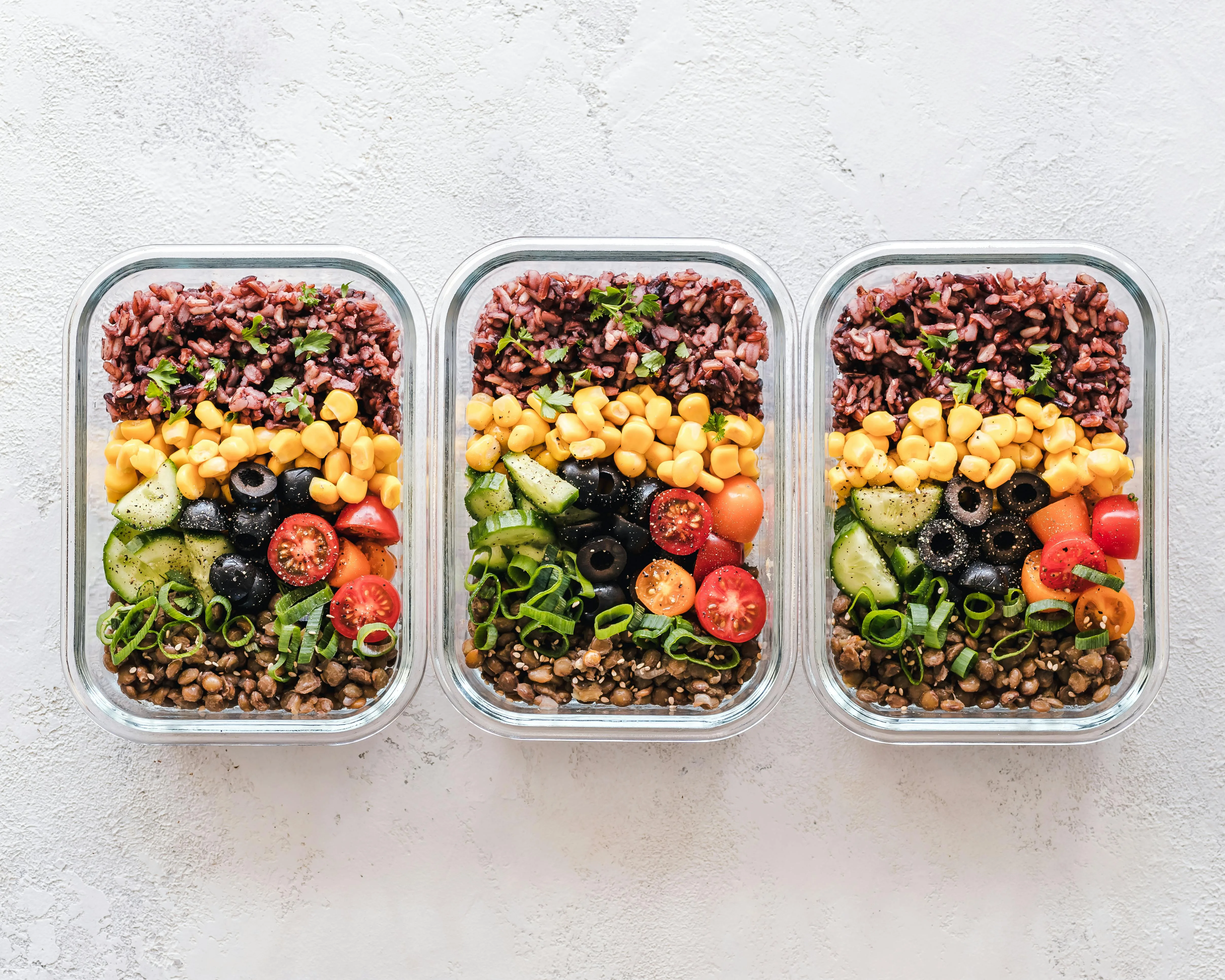
There has been something of a cultural awakening lately, with regard to gut health. Until recently, we’d see the odd advert for a special yogurt here or there, but other than that, most people drifted aimlessly from fad diet to fad diet, losing some weight before putting it back on.
But now, more of us are actually aware of how our guts work. For those who don’t know, your gut is a bit different to other areas of your body. It’s actually a bustling ecosystem that’s home to trillions of bacterial helpers that support your body by breaking down food, fending off dastardly pathogens, and regulating your mood with regular serotonin boosts. These microscopic helpers come together to make your microbiome.
So, maybe you’re more conscious of your gut, but what kind of diet promotes the best gut health? Well, let’s discuss, shall we?
What to Eat
Fibre
The F-word. If you want a healthy gut, then filling up on fibre is a good place to start. That’s because the helpful bacteria we discussed earlier run on the stuff. If you can give them the energy they need, then your food will break down more easily and move through you at the perfect pace.
We only need 30 grams of fibre per day, yet the vast majority of us miss that number. The best way to make sure that you’re hitting your fibre goal is to make sure that you have enough fruit and vegetables every day. For some easy wins, broccoli and peas can sit on the side of almost any lunch or dinner, and spinach is perfect for a curry source. On top of that, if you need a snack, apples are always refreshing, and a banana is great if you want something a bit more substantial that can keep you fuller for a bit longer.
For breakfast, I highly recommend a simple bowl of oats with some fruit mixed in. My personal favourite is just raspberries with a dash of honey.
Fermented Foods
If fibre will refuel your good bacteria, then fermented foods will resupply your microbiome with even more good gut bacteria altogether. Foods like sauerkraut, kimchi, and particularly kefir will all rebalance your gut and help to minimise inflammation. If you’re unsure of where to buy kefir, it’s widely available in high street supermarkets in the form of shakes and yogurts, from well-known brands like Biotiful.
What to Avoid
Ultra-Processed Foods
There’s an element of common sense here. Ultra-processed foods are industrially produced foods that are crammed with preservatives, artificial sweeteners, and emulsifiers; you know, the types of things that you don’t really find in the average home kitchen. These foods can spell disaster for your gut health because they reduce microbial diversity and often cause inflammation.
These foods simply aren’t nutritious, as they lack fibre, vitamins and minerals that your body needs. Instead, the artificial ingredients disrupt processes in the gut, and damage the intestinal mucus layer and cause ‘leaky gut’.
Common examples of ultra-processed foods include fast food, like burgers, fries, pizza and frozen foods that may masquerade as being healthy, like frozen fish and chicken.
Conclusion
All in all, if you want a healthier gut, it isn’t exactly rocket science. Maximise the amount of fibre and fermented foods, while either scaling back ultra-processed foods or cutting them out entirely.