
A crowded pedalboard looks like a puzzle. Cables loop, lights blink and every box has three or four knobs. The logic underneath is simpler than it appears.
Guitar effects pedals work like a relay race. The signal passes from one box to the next. The same thinking applies to an electric guitar or to a pedal steel played through amps designed for pedal steel.
Why Order Changes the Sound
Each pedal changes the signal before the next one hears it. A delay placed before a distortion pedal gets distorted too. Placed after, the echoes stay clean and clear.
That is why two players can own identical pedals and sound different. Order is an instrument in itself. The common order is a starting point, not a law.
The Common Order, Station by Station
- Tuner first, so the reading stays accurate and unaffected by other effects.
- Filters such as wah, which respond best to the raw guitar signal.
- Compression, which evens out loud and soft notes before they hit drive.
- Drive pedals: overdrive, distortion and fuzz, in rough order of increasing grit.
- Modulation: chorus, phaser, flanger and tremolo, which add movement.
- Delay, then reverb, which add space and depth at the end.
Fuzz pedals are the usual exception. Many fuzz circuits behave best when they sit right after the guitar. Trying both spots takes a minute and answers the question.
Where the Amp Fits Into the Chain
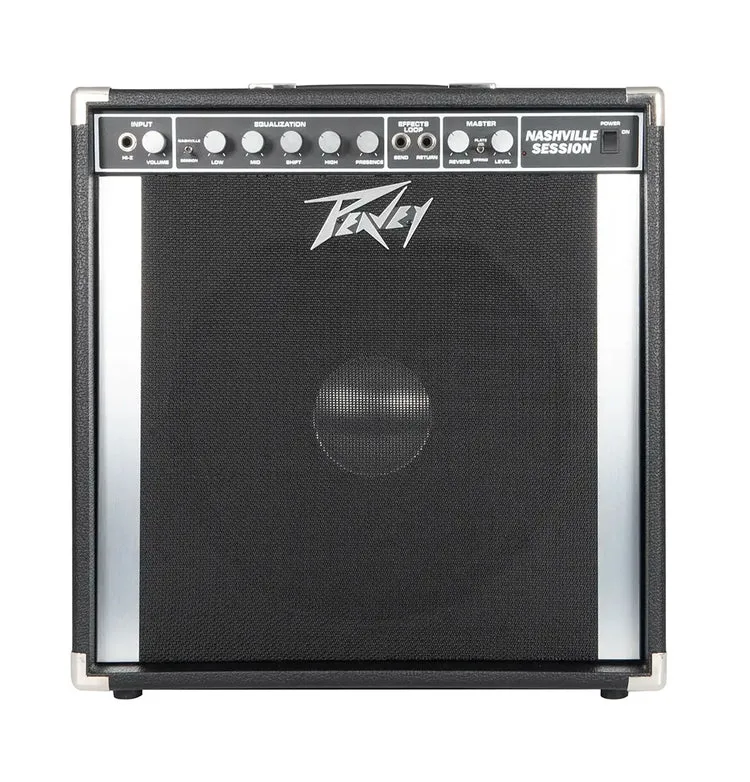
Pedals placed in front of an amp hit its input. Some amps also have an effects loop, a send and return pair behind the preamp. Modulation and delay often sound smoother there.
Drive pedals usually stay in front of the amp. A loop also lets you leave the amp's own character alone. Check the manual to see how a given amp handles its loop.
Reading the Knobs on a Typical Pedal
Most pedals share a small vocabulary of controls. Learn those words once, and every new pedal feels familiar.
- Level or volume sets how loud the pedal is when switched on.
- Gain or drive sets how much grit the signal gets.
- Tone shapes the brightness of the effect.
- Rate and depth set the speed and strength of modulation.
- Time, feedback and mix control how long, how many and how loud the echoes are.
True Bypass, Buffers and Cable Length
A true bypass pedal passes the signal straight through when switched off. Several of them in a row, plus long cables, can dull the treble. A buffered pedal restores the signal strength.
The fix is usually simple. Keep cables short and place a buffered pedal early in the chain. Listen for lost sparkle when everything is off.
Powering the Board Without Hum
Noise often comes from power, not from pedals. A shared supply that is poorly isolated can add hum. Many pedalboards use isolated outputs to keep each pedal separate.
Check the voltage and polarity printed on every pedal before plugging it in. Most run on nine volts, but not all. A wrong match can damage a pedal.
Steel Guitar and Other Special Cases
Pedal steel players lean on a volume pedal and often keep effects light. The instrument's long sustain and sliding notes reveal every flaw in the tone. Subtle reverb and a touch of delay are common choices.
Bass players and acoustic players face their own questions. Each has different low-end and feedback concerns. The same left-to-right logic still gives a good first draft.
Whatever the instrument, write down the settings that worked. A photo of the board saves a lot of guessing next time.
Building a Board One Pedal at a Time
New players tend to buy five pedals and learn none. A better plan is to add one pedal and live with it for a month. Learn what each knob does before reaching for the next purchase.
- Start with a tuner and one drive pedal.
- Add a delay or reverb when you want more space.
- Use short patch cables to keep the signal tight and the board tidy.
- Label each pedal's settings with a phone photo before gigs.
Trust Your Ears Over the Diagram
Charts and rules give a first draft. The final order is whatever sounds right in your room, with your guitar. Swap two pedals, play a riff and listen.
Small experiments cost nothing and teach quickly. After a few evenings, the board stops looking like a puzzle. It starts to look like yours.