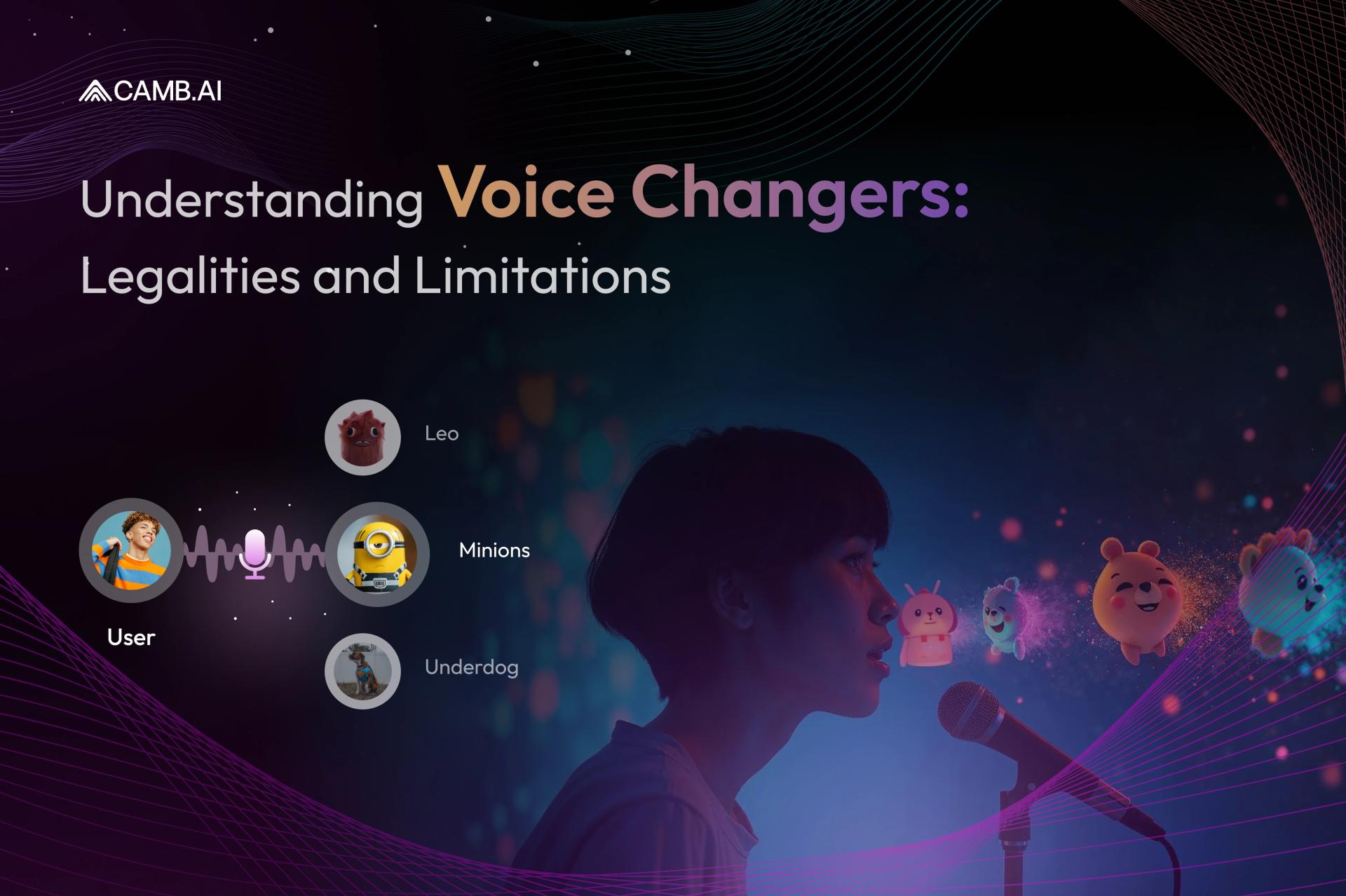
Voice changers are popular tools that let users modify their voice for fun, entertainment, privacy, or creativity. With advances in AI and real-time digital effects, anyone can transform their speech for games, content, or streaming. Yet, understanding voice changer legalities is crucial for avoiding trouble and using these powerful tools safely and respectfully.
While most countries allow ownership and personal use of voice changers, problems occur when people use them to deceive, mislead, or violate rights. Responsible use isn’t just about following the letter of the law it means being ethical, transparent, and obtaining consent where needed.
Voice Changer Legalities: What You Need to Know
To use a voice changer without risk, start with the basics:
- It’s legal to use a voice changer for games, entertainment, education, or personal privacy in most countries.
- Using a voice changer to commit fraud, impersonate someone without consent, or harass others is illegal and can lead to lawsuits or criminal charges.
- Laws may differ across countries and states, so checking local regulations is wise. Voice changer legalities are especially important when AI voice cloning or speech synthesis is used to copy real individuals.
Situations Where Using a Voice Changer is Legal
- Voice acting in podcasts, streaming, role-play, or animation
- Privacy protection in online games or social media
- Creating interactive or accessible learning material
- Adding creative effects to music, videos, or prank calls (without harm)
Where Voice Changer Legalities Can Lead to Trouble
These are things you must avoid:
- Impersonating someone to scam, defraud, or steal identity
- Cloning a real person’s voice for commercial gain without permission
- Using voice changers to spread hate, threaten, or harass individuals or groups
- Fooling businesses, government offices, or emergency services with a fake voice
Violating these restrictions can result in civil lawsuits, criminal charges, bans from platforms, and reputational harm.
Common Legal and Ethical Pitfalls
- Faking a celebrity’s voice to make a false endorsement
- Modifying your voice to cheat in online games or deceive stream viewers
- Pranking strangers, institutions, or services in a way that causes harm or confusion
Responsible users uphold both the written law and a sense of fairness and honesty in how they use these tools.
Consent, Transparency, and Safe Use
Ethical voice changer use means considering more than the law:
- Always get consent when recording, cloning, or sharing voice-altered messages of others.
- Be transparent with your audience if your content is modified with a voice changer, especially in education or content creation.
- Avoid stereo-typing or mocking accents, cultural speech patterns, or identities.
- Use disclaimers or warnings where appropriate to prevent confusion.
Safe and fair usage builds trust and credibility, whether you’re a content creator, gamer, or casual user.
How to Stay Compliant with Voice Changer Legalities
To use voice changers safely, follow these steps:
- Check the rules and laws in your country or region before advanced use.
- Use trusted, secure applications avoid “deepfake” tools that lack ethical safeguards.
- Obtain written or recorded consent if you’re sharing or publishing content with another person’s voice (even in altered form).
- Don’t use voice changers for pranks, commercial impersonation, or anything that could cause harm.
- Monitor new laws about AI and digital impersonation to stay updated.
By respecting voice changer legalities, you protect yourself, your brand, and others from harm.
Legitimate and Creative Uses of Voice Changers
Voice changers offer huge creative potential and legitimate benefits:
- Add fun voices to animated characters, games, or YouTube stories
- Protect privacy or create safe online spaces in digital communities
- Enable accessible and inclusive education by simulating diverse voices
- Provide anonymity for reporters, whistleblowers, or advocates sharing sensitive stories
Used with transparency and respect, voice changers can empower safer, more entertaining, and more creative digital interactions.
Frequently Asked QuestionsIs it legal to use a voice changer for prank calls?
Lighthearted, harmless pranks are often legal, but causing distress, fraud, or harm can result in legal action or criminal charges.
Can I clone a celebrity’s voice with a voice changer?
No, copying a celebrity’s voice for public or commercial purposes without their consent can breach privacy and intellectual property laws.
Are voice changers allowed on streaming platforms and games?
Usually yes, but check each platform’s rules, and avoid using them for cheating, harassment, or to violate community guidelines.
How do I avoid trouble when using a voice changer for content creation?
Get consent when using others’ voices, clarify with disclaimers, and follow platform content policies and copyright laws.
Are there penalties for misusing a voice changer?
Yes. Misuse can lead to bans, lawsuits, criminal cases for fraud, or even prison time in serious situations.
What steps can I take to use voice changers safely and legally?
Use trusted tools, read and follow laws, obtain necessary permissions, and practice transparency and good judgment in all voice changer projects.