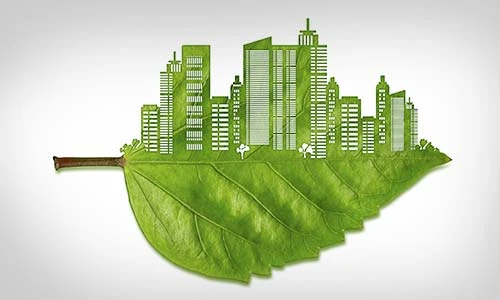
In recent years, sustainability has become a key focus in the construction and real estate industries, and green building certifications have gained significant importance. As businesses and organizations become more conscious of their environmental footprint, green building certifications serve as a powerful tool to not only enhance the ecological impact of a building but also improve operational efficiencies. Facility management, the backbone of maintaining and operating buildings, is profoundly influenced by green building standards. Let’s delve into the concept of green building certifications and explore how they impact facility management.
What is Green Building Certification?
Green building certifications are third-party validation programs that assess the environmental performance of buildings based on various sustainability criteria. The most well-known green building certification systems include:
- LEED (Leadership in Energy and Environmental Design): One of the most recognized standards globally, LEED evaluates energy efficiency, water usage, sustainable building materials, and indoor environmental quality.
- BREEAM (Building Research Establishment Environmental Assessment Method): A widely adopted certification, particularly in Europe, BREEAM evaluates a building's environmental impact and sustainability practices.
- WELL Building Standard: This certification emphasizes the impact of buildings on human health and well-being, focusing on air, water, lighting, and acoustics.
- Estidama: A certification program in the UAE focusing on sustainable building practices aligned with local regulations.
These certifications set benchmarks that guide facility managers in their daily operations, ensuring buildings are not only energy-efficient but also promote a healthier environment for occupants.
How Green Building Certification Impacts Facility Management
1. Energy Efficiency and Cost Savings
One of the core objectives of green building certification is improving energy efficiency. Green-certified buildings are designed to minimize energy consumption by using advanced HVAC systems, LED lighting, and high-performance insulation. For facility managers, this means they can leverage these systems to reduce energy usage and optimize the building's operational costs. Additionally, green building practices often include the use of renewable energy sources like solar panels, which can further reduce utility expenses.
2. Reduced Operating Costs
Green buildings often feature low-maintenance materials and technologies that reduce the need for frequent repairs. For example, high-efficiency systems like smart thermostats and energy-efficient appliances require less frequent maintenance, reducing overall facility management costs. Furthermore, energy-efficient designs contribute to longer equipment lifespans, which reduces replacement costs and saves money over time.
3. Healthier Indoor Environment
Green certifications emphasize the quality of the indoor environment, such as air quality, lighting, and acoustics. This focus on occupant well-being improves the workplace environment and boosts employee productivity. Facility managers must ensure that the indoor air quality meets specified standards by maintaining HVAC systems, using non-toxic materials, and incorporating natural light where possible. A healthy indoor environment not only enhances the comfort of occupants but also reduces absenteeism and healthcare costs.
4. Sustainability and Corporate Social Responsibility (CSR)
For companies, maintaining a green-certified building aligns with their corporate sustainability goals and demonstrates a commitment to environmental stewardship. Facility managers play a crucial role in maintaining this reputation by ensuring the building operates efficiently and continues to meet sustainability targets. As consumers and employees increasingly prioritize sustainability, a green building enhances a company’s image and brand value.
5. Compliance with Regulations
As environmental laws become more stringent globally, green building certifications help organizations comply with local and international regulations. In the UAE, for example, Estidama certification ensures that buildings meet the requirements of the Abu Dhabi Urban Planning Council’s (UPC) sustainability standards. Facility managers are tasked with staying updated on evolving regulations to maintain compliance and avoid penalties.
6. Resale and Rental Value
Buildings with green certifications often have higher resale or rental values compared to traditional buildings. They attract tenants who are seeking sustainable and cost-effective office spaces. Facility managers play a role in this by maintaining the building’s green status, ensuring it continues to meet certification standards. A building that is well-maintained and certified can be more attractive to potential tenants and investors, providing long-term financial benefits.
Conclusion
Green building certification is no longer a luxury but a necessity in today’s business and real estate landscape. Facility management is key to ensuring that a building remains compliant with sustainability standards, operates efficiently, and provides a healthy and comfortable environment for its occupants. The impact of green certifications on facility management is significant, from reducing energy costs and enhancing indoor air quality to promoting sustainability and improving a building’s market value. As we continue to move towards a more sustainable future, facility managers must play an active role in maintaining these green certifications and optimizing building operations.