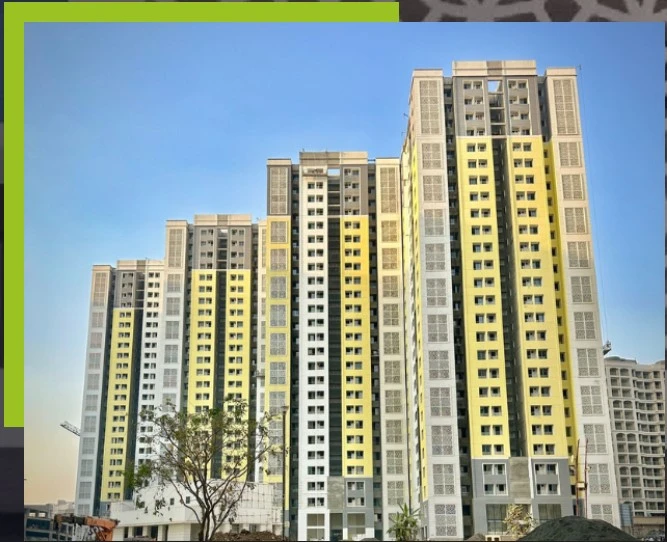
Modern architecture is rapidly evolving, and with it, the demand for unique, durable, and sustainable materials is higher than ever. Among the many facade design solutions available today, GRC Jali has become one of the top choices for architects, builders, and homeowners. Its combination of beauty, strength, craftsmanship, and eco-friendly construction makes it an ideal material for both traditional and contemporary designs.
Whether used in residential villas, commercial buildings, hotels, temples, or institutional projects, GRC Jali offers a perfect balance of style, sustainability, and functionality.
What Is GRC Jali?
GRC stands for Glassfibre Reinforced Concrete. It is a composite material made from:
- High-quality cement
- Alkali-resistant glass fibers
- Fine aggregates
- Water
- Additives for strength and flexibility
When crafted into Jali (decorative lattice patterns), the result is a lightweight yet highly durable architectural element that can be used for facades, railings, partitions, gates, boundary walls, and interior highlights.
Why GRC Jali is a Smart Choice
Smart construction today demands materials that are strong, practical, and cost-efficient. GRC Jali fulfills these expectations in several ways:
Lightweight but Strong
Despite being up to three times lighter than conventional concrete, GRC is remarkably strong and long-lasting. This reduces load on the building structure and makes installation easier.
Flexible in Design
Unlike traditional materials like stone or metal, GRC can be molded into any design, shape, or pattern — from classical Mughal style to modern geometric patterns.
Low Maintenance
GRC Jalis are resistant to cracking, corrosion, and environmental damage. They do not require frequent painting or polishing, making them cost-efficient in the long term.
A Sustainable Solution
Sustainability is one of the biggest reasons architects prefer GRC over other materials like iron, natural stone, or wood.
Eco-Friendly Material
GRC uses less raw material and consumes less energy during production compared to traditional stone carving or metal fabrication.
Long Life and Reusability
The durability of GRC reduces replacement frequency. With proper care, GRC Jalis can last for decades, making them a sustainable investment.
Helps Reduce Heat and Energy Consumption
GRC Jali patterns allow natural airflow and diffused sunlight into the building. This improves ventilation and can reduce the need for artificial lighting and cooling, especially in hot climates.
Adding Sophistication to Any Façade
One of the biggest appeals of GRC Jali is its visual elegance. A beautifully crafted jali pattern can instantly enhance the character and personality of any building.
Architectural Beauty
Whether you prefer a royal heritage look or a sleek modern feel, GRC Jali can be customized to match any architectural theme.
Privacy With Style
GRC Jali allows light and ventilation while maintaining privacy — a feature especially valued in Indian and Middle-Eastern architecture.
Enhances Property Value
A well-designed GRC façade not only improves the building’s appearance but also increases its perceived luxury and market value.
Common Uses of GRC Jali
GRC Jali is versatile and can be used in multiple applications, including:
- Facade Cladding
- Balcony Railings
- Window Screens
- Boundary Walls
- Garden Partitions
- Temple and Heritage Elements
- Interior Decorative Walls
Its flexibility makes it suitable for both large commercial projects and personal home décor.
Conclusion
With its superior strength, design flexibility, eco-friendly nature, and elegant appearance, GRC Jali has proven itself to be a smart, sustainable, and sophisticated choice for modern architectural facades. Whether you are designing a new building or upgrading an existing structure, GRC Jali offers a timeless solution that blends beauty with performance.
If you want a facade material that is stylish, durable, easy to maintain, and environmentally responsible, GRC Jali is an option worth considering.