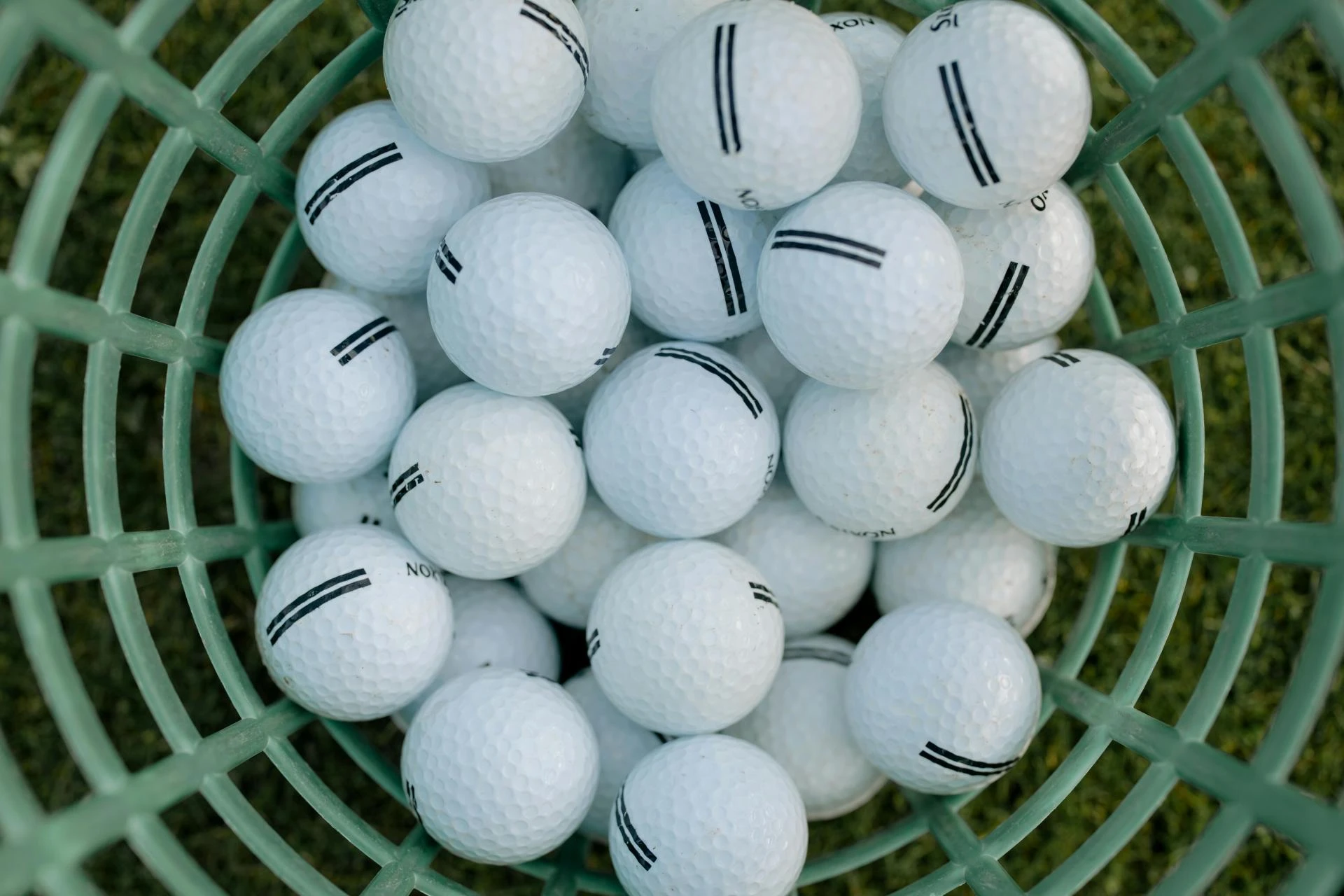

A golf practice net is one of the few training purchases that can genuinely change your game, but only if you buy the right type for how you practice. Most golfers choose a net based on size and price, then realize they cannot swing freely, the ball rebounds unpredictably, or the setup is so annoying that they stop using it. If your intent is product-focused, this guide helps you buy once and practice consistently. 
Start with the real question: what shot are you training?
Different nets suit different training goals. Before you shop, pick your top use case:
- Full swings with driver and irons
- Wedge and tempo work (high reps, lower speed)
- Garage or indoor hitting with limited space
- Family/shared use where durability matters most
Your use case determines the net’s minimum size, frame strength, and rebound behaviour.
The “3 failures” test that filters bad nets fast
When comparing a golf practice net, check these three failure points first. If a net fails anyone, it becomes a dust collector.
- Stability under real swings
- If the frame shifts after a few solid strikes, you will start steering the club and your practice quality drops. Look for a wide base, strong joints, and a structure that stays put without constant re-centring.
- Impact absorption and rebound control
- A good net “catches and drops” the ball. A bad net fires it back at you or sprays it sideways. Rebound control is a safety feature and a time-saver because you spend less time chasing balls and more time swinging.
- Setup friction
- If it takes too long to assemble, you will practice less often. The best nets are the ones you can deploy quickly, fold away, and still trust. Consistency beats intensity in home training.
Size matters, but not how people think
Most golfers underestimate side misses. If you are training full swings, choose a net that gives you margin for heel and toe strikes, not only center hits. A bigger face reduces “practice fear” and lets you swing freely, which is essential for improving speed and mechanics.
If your space is tight, prioritize a net design that pairs well with a hitting mat and alignment aids, so you can train club path and face control without worrying about the occasional miss.
What to buy with your net (the high ROI add-ons)
A golf practice net alone builds repetition, but these additions turn it into a training system:
- A stable hitting mat to protect joints and simulate turf interaction
- A simple target sheet to train the start line, not just contact
- Foam or limited-flight balls for compact spaces and safer sessions
- Alignment sticks to stop “aim drift” during long practice sets.
Bottom line
The right golf practice net is stable, absorbs impact safely, and is easy enough to set up that you can practice more often. Buy for your shot type, pass the 3 failures test, and you will build a home practice habit that actually lowers scores.