There's a narrative around aging that a lot of people absorb gradually without fully realizing it — the idea that getting older means progressively feeling worse, moving less, hurting more, and that this is simply what happens and there's not much to be done about it.
Some physical changes with age are real and unavoidable. But a significant portion of what people experience as "just getting older" is actually the result of accumulated habits, reduced recovery support, and a gradual drift away from the kinds of physical activity and maintenance that keep the body functioning well. And a lot of that is more reversible than the fatalistic narrative suggests.
What's Actually Age-Related Versus What's Lifestyle-Related
This distinction matters because it determines what's actually addressable. Genuinely age-related changes — things like gradual reduction in bone density, changes in cartilage composition, reduced hormonal levels — are real and worth understanding. But they're often a smaller part of the picture than people assume.
The stiffness that sets in when you sit too long. The muscle soreness that lingers longer after activity than it used to. The general feeling of being physically heavier and less responsive than you were a decade ago. These things are often more driven by reduced activity levels, accumulated tension that hasn't been adequately addressed, and declining recovery habits than by age itself.
The body responds to what it's given. Less movement, less recovery support, less active maintenance — and it reflects that. More consistent attention to all three — and it reflects that too, often more dramatically than people expect.
The Recovery Gap Gets Bigger With Age
Here's something that's worth understanding clearly: recovery capacity does decline with age, but the decline is often less about biology and more about the fact that recovery habits haven't kept pace with what the body needs.
A 25-year-old can get away with sleeping poorly, skipping recovery, pushing hard repeatedly without adequate rest, and bounce back relatively quickly. A 45 or 55-year-old doing the same things will feel it much more — not necessarily because recovery is dramatically less efficient biologically, but because the margin for error is smaller and the consequences of inadequate recovery are more noticeable.
The practical response to this isn't to do less — it's to take recovery more seriously. And this is where a lot of people find that adding deliberate recovery tools to their routine makes a more noticeable difference as they get older than it would have in their twenties.
Why Inflammation Management Becomes More Important Over Time
Chronic low-grade inflammation tends to accumulate with age in ways that affect how the body feels day-to-day. Joint tissue, muscle recovery, general energy levels — all of these are influenced by inflammatory status, and managing it consistently becomes increasingly important rather than something you can ignore and compensate for.
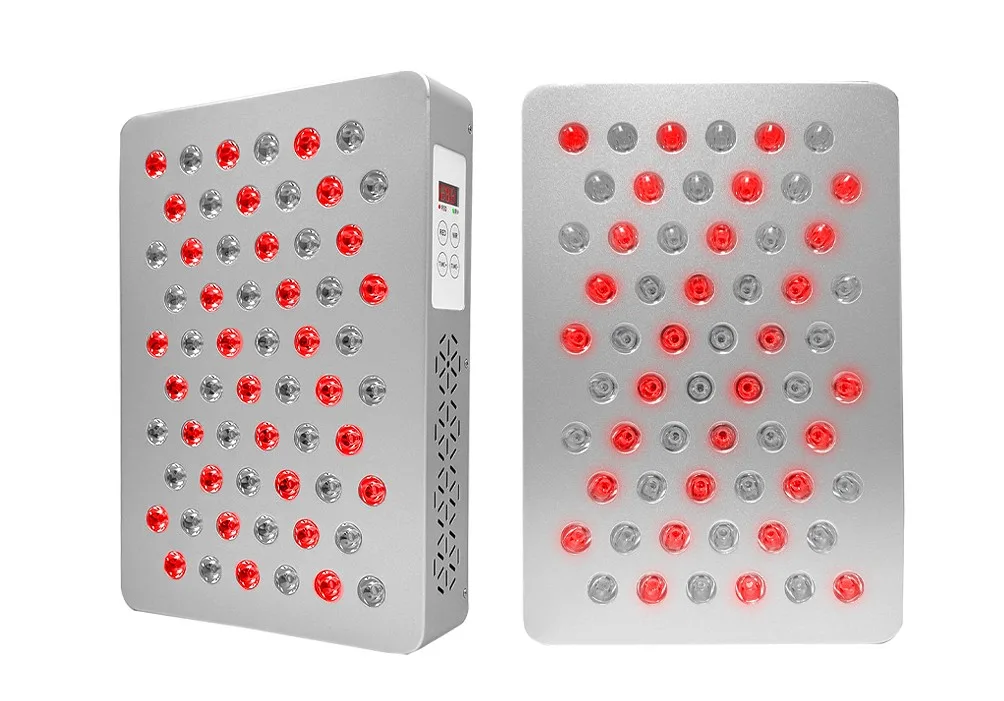
This is part of why regular panel use from quality Red Light Therapy Panel Manufacturers tends to resonate particularly with people in their forties, fifties, and beyond — not because it's a magic solution, but because it addresses the tissue-level inflammation and circulation that becomes increasingly relevant to daily comfort as the body's own management of these things becomes slightly less efficient with age.
Movement Remains Non-Negotiable
If there's one thing the research on healthy aging consistently supports, it's that regular movement — across a range of types and intensities — is the single most effective thing most people can do to maintain physical function as they age.
This doesn't mean intense training or anything that aggravates existing discomfort. It means consistent daily movement — walking, swimming, cycling, resistance training at appropriate intensity, yoga, whatever is sustainable and enjoyable. The specific activity matters less than the consistency, and consistency is more likely when the activity is something the person actually wants to do rather than something they feel they should do.
What movement does for aging bodies is multifaceted — it maintains muscle mass that would otherwise gradually decline, supports bone density, keeps joints moving through their intended range, maintains circulation, and provides neurological stimulus that supports coordination and balance. None of these things happen adequately without regular movement.
Combining Active Recovery With Consistent Movement
The most effective approach for managing how the body feels as it ages tends to combine consistent movement with consistent recovery support — not treating them as separate things but as a system.
Train or move consistently. Recover deliberately. Repeat.
The recovery side of that equation is where a lot of people have a gap — they might still be reasonably active, but they're not giving recovery the same deliberate attention that they're giving activity. Evening sessions targeting the areas that carried the most load during the day, using a panel from a reliable Infrared Light Panel Supplier, become a practical tool for keeping that recovery side of the equation in balance with the activity side as the body's recovery capacity becomes slightly less automatic with age.
Small Daily Habits That Add Up Over Years
The compound effect of daily habits is more dramatic over longer time periods than most people intuitively grasp. Someone who consistently moves daily, sleeps well, manages stress reasonably, and pays deliberate attention to recovery will feel physically very different at 60 than someone of the same age who hasn't — not because of genetics or luck, but because of thousands of small daily choices adding up over years.
This cuts both ways. The gradual physical decline that people attribute to aging is often, in significant part, the compound effect of years of inadequate recovery, reduced movement, and accumulated tension that was never fully addressed. Reversing that direction takes time — but it tends to be more possible than the "this is just aging" narrative suggests.
FAQ
How much of the physical decline associated with aging is actually reversible?A significant portion — particularly the stiffness, reduced recovery speed, and general physical heaviness that people associate with aging — is more related to cumulative habits than to age itself, and responds well to consistent attention.
At what age does recovery start requiring more deliberate support?This varies, but many people notice the recovery gap becoming more apparent in their late thirties to forties — when pushing hard without adequate recovery starts producing noticeably more prolonged consequences than it did in their twenties.
Is resistance training safe and beneficial for older adults?Yes — age-appropriate resistance training is one of the most well-supported interventions for maintaining muscle mass, bone density, and physical function with age, and the benefits extend well into later life.
Does inflammation really increase with age, and what can be done about it?Chronic low-grade inflammation does tend to increase with age — sometimes called "inflammaging." Consistent habits around sleep, movement, stress management, and recovery support all contribute to managing it over time.
How long does it take to feel meaningfully better after starting consistent recovery habits?Most people notice meaningful changes within a few weeks to a couple of months of genuinely consistent habits — though the full benefit of sustained habits over years is considerably greater than what's apparent in the short term.
Final Thoughts
Getting older doesn't have to mean a steady downward slope in how the body feels and functions. For most people, what's experienced as inevitable aging is substantially influenced by accumulated habits — and habits can be changed. The earlier that shift happens, the more dramatic the results. But even starting later tends to produce more meaningful improvement than most people expect before they try it.