

The vast majority of individuals usually don't begin to think of their teeth unless something is wrong- a tiny chip after biting something extremely hard, a hole in it that bothers them forever, or a stain that just cannot move despite the number of whitening tools used. These are not dramatic problems, but they make one feel self-conscious, especially when it comes to smiling in photographs or addressing an audience. The positive thing is that they do not require a major dental procedure to fix them.
Teeth composite bonding has quietly become one of the most popular cosmetic treatments in UK dental practices, and it is not hard to see why. It is quick, relatively affordable, and does not involve any significant alteration to your natural teeth. In this blog, we will walk through what the treatment involves, the benefits it offers, what the procedure looks like from start to finish, and what kind of results you can honestly expect.
What Is Teeth Composite Bonding?
A composite bonding is a relatively simple process in its essence. In the process, your dentist will apply a resin matching the same color of your tooth directly to the tooth. He then shapes it carefully by hand, hardens it with a curing light, and polishes it until it sits flush with the rest of your smile. When the process is done correctly, one can hardly make out the difference between the bonded area and your natural tooth.
It is used for quite a variety of concerns, including-
- Chipped or cracked teeth
- Small gaps between teeth
- Teeth that are slightly uneven in shape or size
- Discolouration or surface staining that has not responded to whitening
- Mild misalignment where braces or aligners are not needed or wanted
The Key Benefits of Teeth Composite Bonding
There are good reasons why patients keep choosing this treatment over more involved alternatives. Here is a quick breakdown-
- Minimal impact on your natural tooth- Unlike crowns or veneers, bonding does not require significant removal of enamel- your natural tooth stays largely as it is.
- Completed in a single visit- There are no multiple appointments or waiting periods; most treatments are done within one to two hours.
- More affordable than you might expect- Compared to porcelain veneers or other restorative work, the cost difference is considerable.
- Blends naturally with your existing teeth- The resin is colour-matched to your surrounding teeth so the result looks consistent.
- Does not close off future options- Because your natural tooth structure is preserved, you can still explore other treatments later if your needs change.
Composite Bonding as a Non-Invasive Bridge Procedure
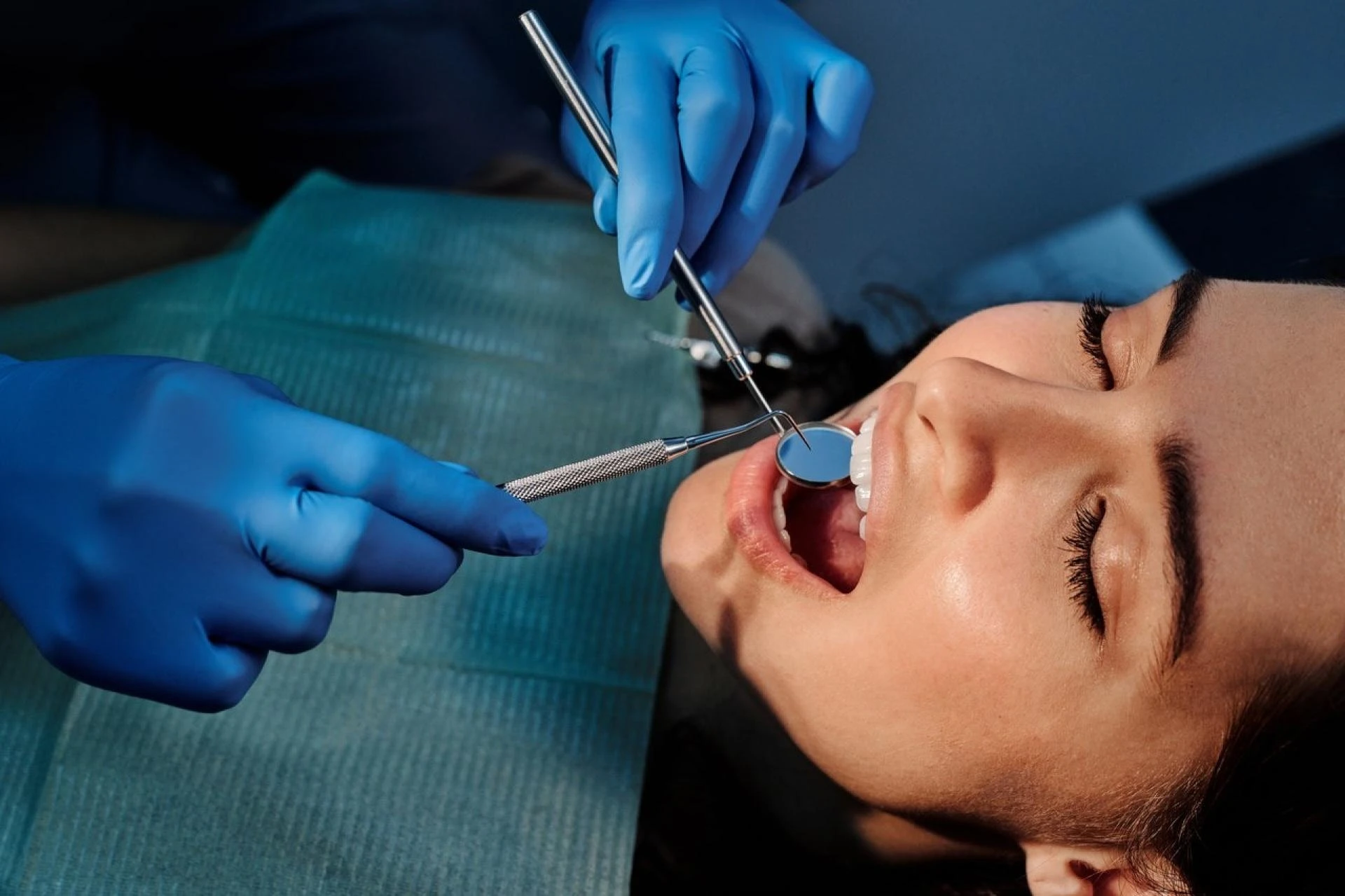
Something that does not get talked about enough is how composite bonding can also work as a non invasive bridge procedure for patients with a missing tooth. Instead of preparing and reducing the adjacent teeth to anchor a traditional bridge, a composite version can be fitted using far less preparation.
This tends to be a good fit for-
- Patients who are not ready for, or not suitable for, surgical options
- Those who want a practical short-term solution while they consider something more permanent, such as dental implants in Peterhead
- Anyone who wants to avoid the time and expense that comes with conventional bridgework
Step-by-Step: What Happens During the Procedure?
If you have never had composite bonding before, knowing what to expect can make the whole thing feel a lot less daunting. Here is how a typical appointment plays out-

- Consultation & comprehensive dental check-up- Your dentist takes a look at your teeth and gums, talks through what you are hoping to achieve, and confirms that bonding is the right treatment for your situation.
- Shade selection- A resin shade is picked to match your natural teeth as closely as possible.
- Tooth preparation- The surface of the tooth is lightly etched and a bonding agent is applied so the resin has something to grip onto.
- Resin application- The composite material is applied and shaped by hand, building up the tooth to the right form.
- Curing- A UV or LED light is used to harden each layer of the resin as it is applied.
- Finishing touches- The tooth is trimmed, refined, and polished until the result looks and feels completely natural.
What Results Can You Realistically Expect?
The improvement is usually visible straight away, which is one of the things patients appreciate most about this treatment. In terms of what you can expect over time-
- The bonded area blends with the surrounding teeth in both colour and shape.
- With reasonable care, results typically last between five and seven years.
- Some patients experience minor sensitivity after treatment, but this usually settles within a day or two.
To get the most out of your bonding-
- Avoid biting down on hard objects- ice, pens, and fingernails are the usual offenders
- Try to cut back on coffee, tea, and red wine, as these are the most common causes of staining
- Stick to a consistent brushing and flossing routine
- Keep up with regular dental appointments so any wear can be caught and addressed early
Teeth composite bonding is not a permanent fix, but it is a durable one. It can also be touched up or replaced when the time comes, which keeps things straightforward.
What to Know About White Fillings on the NHS?

This question comes up regularly, and it is a fair one. White fillings NHS coverage is not always straightforward, and a lot of patients are unsure where they stand.
White composite fillings use the same type of resin material as bonding and look considerably more natural than traditional metal amalgam fillings. That said, NHS coverage for white fillings- particularly on back teeth- is not always included as standard. In many cases, they fall under private treatment costs.
Final Words
Teeth composite bonding is a treatment that does a lot without asking much in return- no lengthy procedures, no significant changes to your natural teeth, and no recovery time to factor into your week. Whether you are dealing with a chip, a gap, or something more like a non-invasive bridge procedure, it is a reliable option that delivers results patients can actually see. Look after it well, and it will serve you for years.
When you are wondering whether or not composite bonding would be an option for you, the best place to begin is by discussing it with a dentist with whom you have a level of trust. Reach out to the team at Turriff Dental Care to arrange a comprehensive dental check-up- from there, you will have a clear picture of your options and exactly what to expect.
FAQs
1. How long does teeth composite bonding last?
Most patients get five to seven years from their bonding, though this depends on the location of the treatment and daily habits. Keeping up with regular dental visits helps catch any wear before it becomes a bigger issue.
2. Is the procedure painful?
For the vast majority of patients, no. Anaesthesia is not usually necessary unless there is underlying decay in the tooth that needs to be treated at the same time.
3. Will bonding stain over time?
It can, particularly with regular coffee, tea, or red wine consumption. Routine polishing at your dental appointments will help keep the colour looking consistent.
4. Is everyone a suitable candidate?
Most adults with healthy teeth and gums can have composite bonding without any issues. If there is active decay or gum disease, it will be needed to be sorted out before bonding is considered.
5. How does it compare to porcelain veneers?
Veneers involve more preparation work on the tooth surface before they are fitted. Composite bonding is applied directly with little to no enamel removal, which makes it a less invasive option- and one that is easier to reverse if you change your mind later on.