
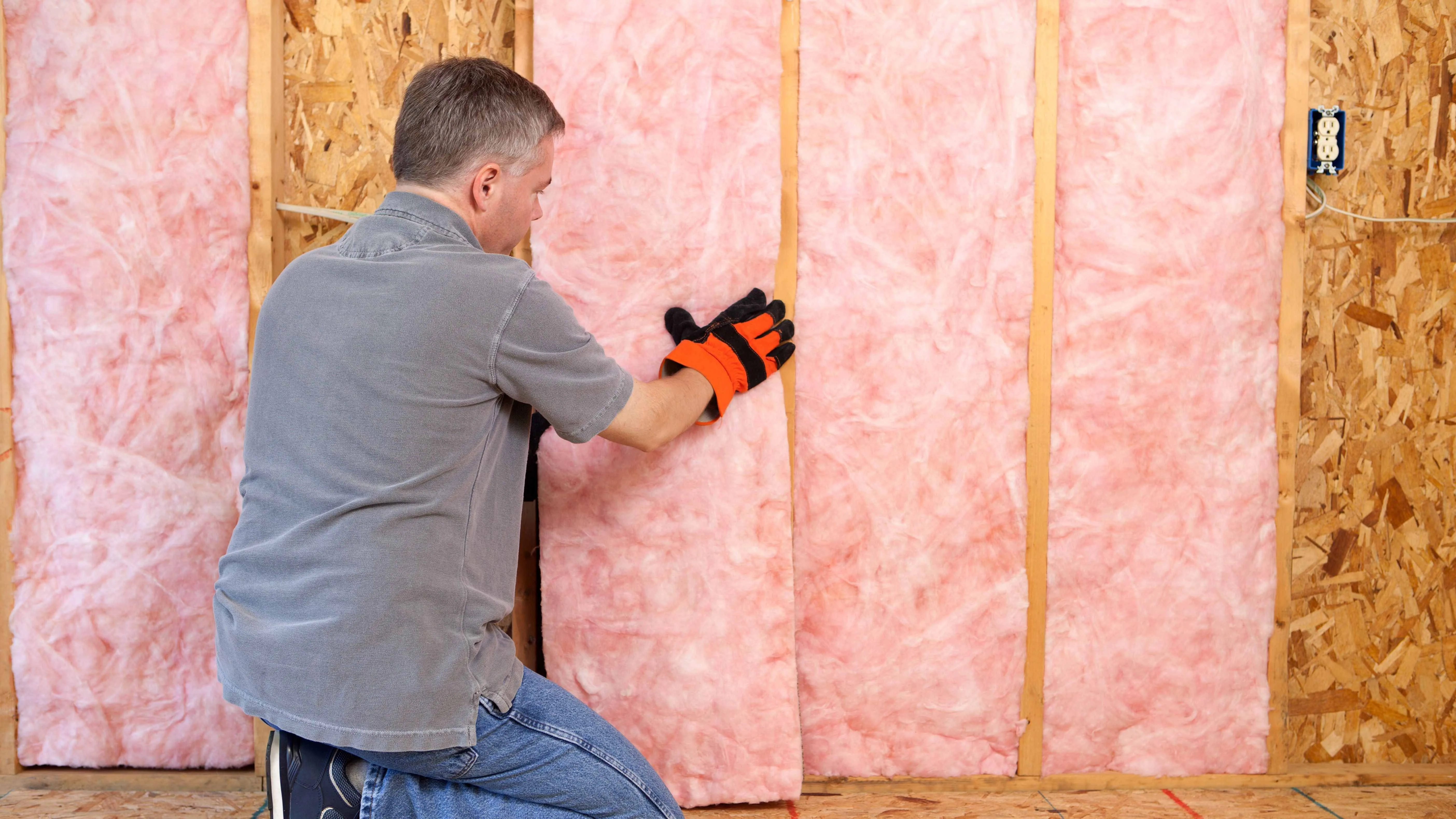
Homeowners often deal with drafts and high heating bills because their walls lack effective barriers. Advanced wall insulation options fill every void in a home to stop air flow and keep temperatures steady. By choosing the right materials, they create a protective shell that makes living spaces much more comfortable for families.
Experts rely on many years of field training to identify exactly where homes lose energy. They understand that moisture and air leaks cause damage if left alone for too long. Using modern insulation products ensures that a home stays dry, quiet, and efficient throughout the changing seasons.
Modern Materials for Better Wall Performance
Wall cavities require specific materials to prevent energy loss and block outdoor air. Many professionals choose spray foam because it expands to fill every crack inside a wall. This provides a total air seal that traditional insulation products often fail to achieve during installation.
Other options like mineral wool or cellulose work well for specific building needs. These materials help dampen outside noise while providing thermal control in different climates. A local Roof Coatings expert can help homeowners decide which option fits their wall depth and structure.
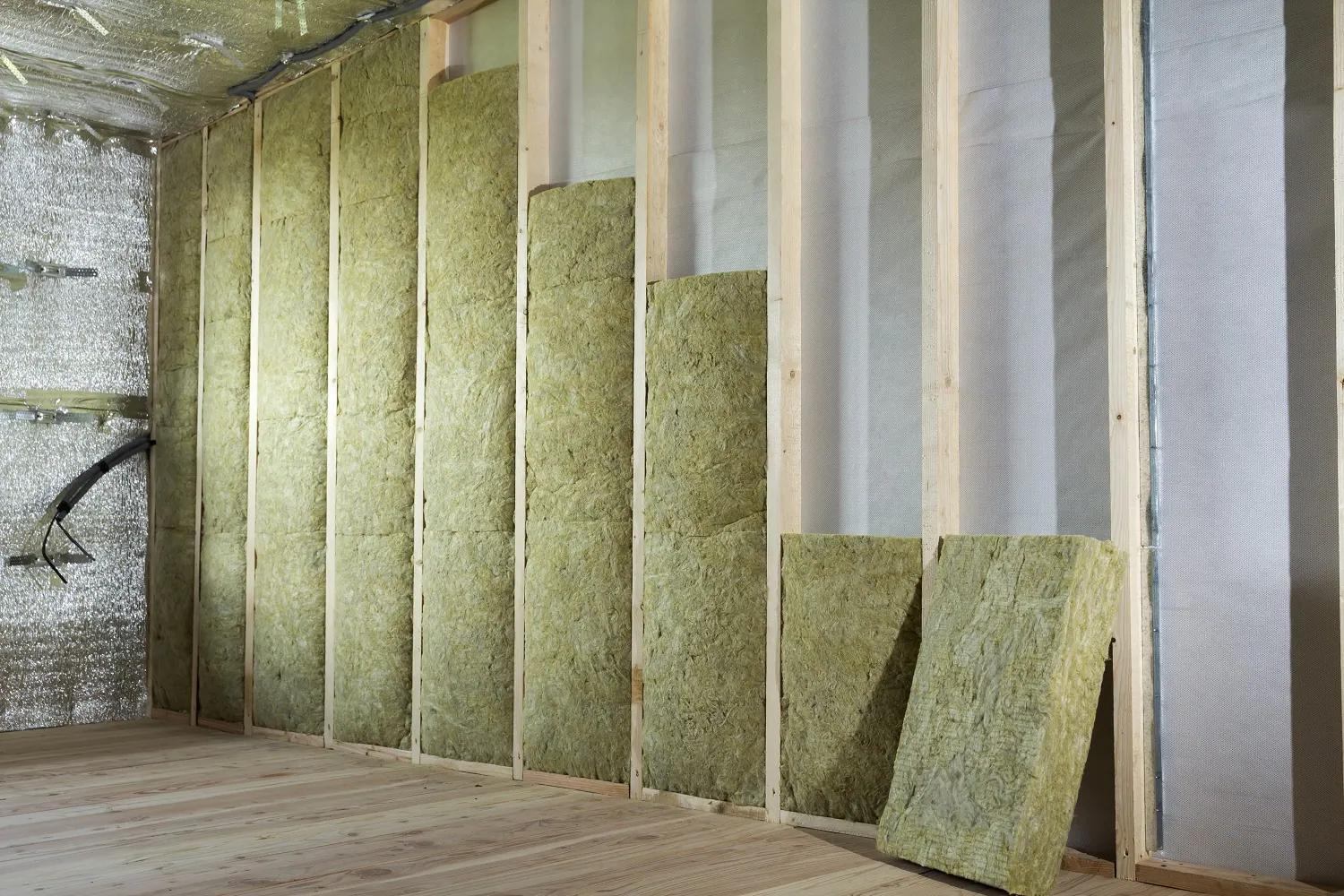
Understanding Insulation Material Differences
Comparing insulation choices helps homeowners see how each type manages heat. Some materials are better at blocking air, while others excel at noise control or fire safety. This table shows how popular insulation types perform based on their primary benefits for home comfort.
Material TypeAir SealingNoise ReductionBest UseSpray FoamExcellentHighExterior WallsMineral WoolGoodSuperiorPartition WallsCelluloseFairHighAttic SpacesFiberglassLowModerateOpen StudsEvaluating Thermal Resistance Values
Every material has a thermal resistance rating that shows how well it blocks heat. Higher ratings mean better performance in extreme weather conditions. Choosing the right rating for a specific wall ensures the home stays warm in winter and cool in summer.
- Higher R-values provide stronger insulation, especially important for exterior walls and roofs.
- Different areas of a home require different R-values (e.g., attics typically need higher ratings than interior walls).
- Climate conditions play a key role; colder regions demand higher thermal resistance.
- Combining materials (like foam + batts) can improve overall insulation performance.
- Proper installation is just as important as the R-value to prevent heat loss through gaps or compression.
- Moisture resistance should be considered alongside R-value, as damp insulation loses effectiveness.
Bonus Tip for Efficiency
Always look for gaps behind electrical boxes and plumbing lines before adding insulation. These small spots are common sources of heat loss that people often miss. Sealing these areas first makes any added insulation work much better.

Professional Installation Practices
High performance depends on how well a material fills the available space in a wall. Pros use special tools to ensure there are no gaps or thin areas left behind. When a wall cavity is packed correctly, it stops convection currents from moving air around inside the home.
- Check that all wall voids are completely filled to stop airflow.
- Seal holes where wires pass through the top and bottom plates.
- Apply moisture barriers correctly to prevent dampness in the wall.
- Ensure the material settles evenly without creating air pockets.
Addressing Hidden Energy Leaks
Tiny openings near windows, doors, and trim pieces often cause drafts that ruin indoor comfort. Sealing these hidden paths with specialized foam prevents outdoor air from entering the home. By taking these extra steps, installers create a barrier that works all year.
Bonus Tip for Quality
Ask installers to show pictures of the wall before they close it up with drywall. Seeing the full coverage provides peace of mind that no gaps remain in the cavities. This ensures the homeowner gets exactly what they paid for in terms of quality.
Regional Climate Guidance
Homes in very cold northern climates need thicker insulation to stop heat from escaping through exterior walls. In hot southern regions, the focus is on reflecting heat gain and keeping humidity outside. Local Roof Coatings services providers know the specific needs of regional weather patterns.
Things to Consider Before Making a Decision
Before picking a material, check the size of the wall studs to see what thickness fits. Older homes might have smaller spaces than newer builds, which limits the insulation choice. Always ask if the material will settle or if it stays in place for a long time.
Assessing Long Term Home Goals
Think about the humidity level in the home before choosing an insulation type. Some materials absorb moisture, which may lead to issues if the ventilation is not adequate. Talk to a qualified Roof Coatings company to find what works best in a specific home.
Bonus Tip for Maintenance
Keep a record of what material goes into each wall for future renovation projects. This helps anyone working on the home later to know exactly what is behind the drywall. It also speeds up any repairs that might be needed after a storm.
Questions People Ask About Wall Comfort
Does wall insulation block outdoor noise?
Yes, materials like mineral wool or spray foam are very dense and stop sound waves from entering. This helps create a quiet, peaceful indoor environment for everyone in the house.
How long does high-quality insulation last?
Most modern insulation options last as long as the building itself if installed correctly. They do not lose their shape or effectiveness unless they get wet or are damaged by pests.
Is professional installation required for walls?
Many advanced insulation types require specialized equipment and training to apply correctly. Using a professional Roof Coatings contractor ensures the job is done without errors or missed areas.
Can old insulation be left in place?
It depends on whether the old material is dry, clean, and still effective at blocking heat. Experts check the condition of existing material to see if it should stay or be removed.
How does insulation impact monthly energy bills?
Better walls stop the furnace and air conditioner from working as hard to keep the home comfortable. This lowers monthly costs and helps the heating and cooling system last longer.
Summary of Benefits
Choosing the right wall insulation brings comfort and energy savings to any home. By blocking air leaks and keeping temperatures stable, families enjoy a much healthier living space. Proper installation by pros ensures these benefits last for many years without needing more work.
Take the time to evaluate the specific needs of a residence before choosing a path. Consider the climate, the age of the house, and the long-term goals for the property. Working with experts helps make sure the project meets all expectations for performance and quality.
Contacting Expert Help
When searching for professional guidance on home comfort and wall performance, contact South Chicago Insulation at [email protected] or call (779) 803-8025. Their team of Roof Coatings experts provides the knowledge needed to solve air leaks and moisture concerns in any home. They assist with choosing the right options for every project. Reach out to them to discuss the specific needs of a residence and get helpful advice from a trusted local provider.
Author: Bob Gasca attended his first spray foam training in 2007 and has continued to pursue yearly training to stay current with the latest technology and practices. He is a certified Spray Foam Master Installer and a member of the SPFA.
Reviewer: Noah Gonzalez reviewed this article and drew on 9 years of experience to offer suggestions that make the guidance more directly useful for insulation contractors.