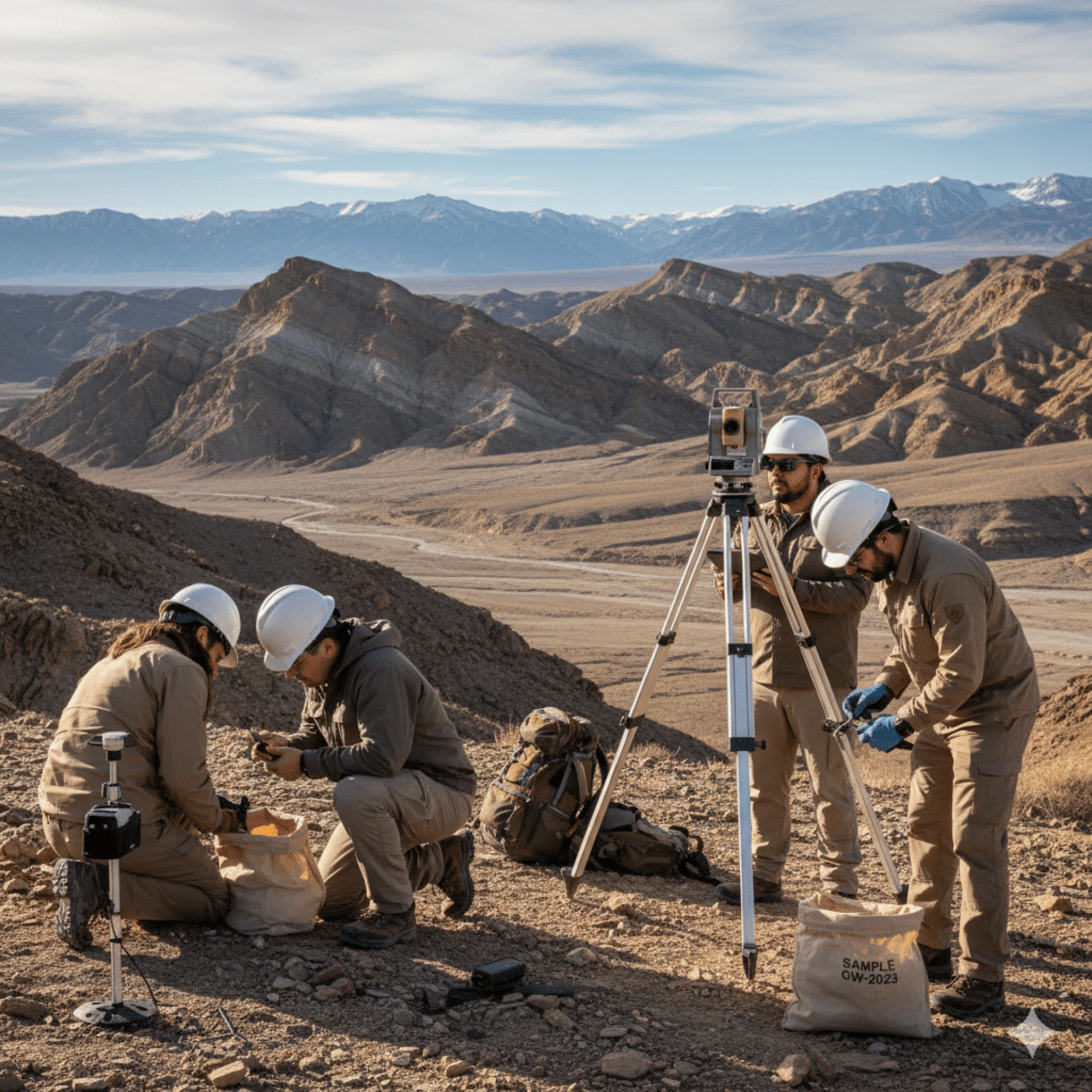
A Geological Survey is a systematic study of the Earth’s structure, composition, and natural resources. It involves the collection, analysis, and interpretation of data related to rocks, soil, minerals, groundwater, and geophysical properties. Geological surveys are essential for industries such as construction, mining, environmental management, urban planning, and disaster management.
View a full blog:- https://www.sunconengineers.com/geological-survey-companies-in-india/
The primary goal of a geological survey is to provide accurate data that informs decision-making, reduces risks, and optimizes resource management. In today’s technologically advanced era, surveys often combine traditional fieldwork with modern tools like remote sensing, geophysical methods, and GIS (Geographic Information System) mapping.
What Is a Geological Survey?
A geological survey involves the systematic investigation of the Earth’s physical characteristics to understand its composition, structure, and processes. This includes studying:
- Rock formations and types (igneous, sedimentary, and metamorphic)
- Soil characteristics and profiles
- Mineral and ore deposits
- Groundwater resources
- Fault lines and seismic activity
Geological surveys provide vital data for:
- Safe construction planning
- Efficient mineral exploration
- Sustainable water resource management
- Disaster risk mitigation and hazard assessment
Key Objectives of a Geological Survey
The objectives of conducting a geological survey vary depending on the project, but generally include:
- Resource Identification
- Determining the location, quantity, and quality of natural resources such as minerals, oil, gas, and groundwater.
- Hazard Assessment
- Identifying areas susceptible to landslides, earthquakes, sinkholes, or soil erosion to prevent construction risks.
- Environmental Management
- Assessing the impact of human activities on soil, water, and ecosystems, and recommending mitigation strategies.
- Urban and Infrastructure Planning
- Providing geotechnical data for building foundations, bridges, tunnels, and roads.
- Energy and Mining Projects
- Supporting exploration for fossil fuels, geothermal energy, and metallic/non-metallic mineral deposits.
Methodologies of Geological Surveys
Geologists employ multiple techniques to conduct surveys. A combination of fieldwork, laboratory analysis, and remote sensing ensures accurate and reliable results.
1. Field Mapping
Field mapping involves direct observation of geological features, including:
- Rock formations
- Fault lines and folds
- Soil profiles and stratification
Geologists record these observations using GPS devices, field notebooks, and digital mapping tools. Field mapping is the foundation of any geological survey and helps in constructing accurate geological maps.
2. Remote Sensing
Remote sensing uses satellite imagery, aerial photographs, and drones to capture large-scale geological data. It allows surveyors to:
- Identify rock types and soil patterns
- Detect structural features like faults and folds
- Monitor environmental changes and hazards
3. Geophysical Methods
Geophysical methods help explore subsurface characteristics without excavation. Common methods include:
- Seismic surveys: Measuring the propagation of seismic waves to map subsurface layers.
- Magnetic surveys: Detecting variations in the Earth's magnetic field to locate mineral deposits.
- Electrical resistivity: Measuring the resistance of soil and rock to electrical current for groundwater and ore exploration.
- Ground-penetrating radar (GPR): Providing high-resolution images of shallow subsurface features.
4. Geochemical Analysis
Geochemical surveys analyse soil, water, and rock samples in laboratories to determine:
- Chemical composition
- Mineral content
- Pollution levels
This method is crucial for mineral exploration, soil fertility studies, and environmental impact assessments.
Technical Terms in Geological Surveys
When discussing geological surveys, it is essential to understand commonly used technical terms:
- Geological Mapping: Creating maps that display geological features.
- Stratigraphy: Study of rock layers and layering.
- Hydrogeology: Study of groundwater distribution and movement.
- Geotechnical Investigation: Assessing soil and rock for engineering purposes.
- Fault Line: A fracture in the Earth's crust where movement occurs.
- Seismic Risk Assessment: Evaluating earthquake-prone areas.
- Remote Sensing: Gathering information about the Earth from a distance using satellites or drones.
- Geophysical Survey: Techniques to study the Earth's subsurface using physical properties.
- Geochemical Analysis: Laboratory-based chemical testing of geological materials.
- Mineral Exploration: Identifying locations and quality of mineral resources.
Applications of Geological Surveys
1. Mining and Resource Exploration
- Locate metallic minerals (gold, copper, iron) and non-metallic minerals (limestone, gypsum).
- Evaluate the quality, quantity, and accessibility of resources.
2. Construction and Civil Engineering
- Assess soil stability for foundations, roads, tunnels, and bridges.
- Identify landslide-prone or flood-prone areas.
3. Water Resource Management
- Map aquifers and groundwater flow.
- Determine suitable locations for wells and reservoirs.
4. Environmental Protection
- Monitor soil erosion, deforestation, and land degradation.
- Evaluate contamination levels in soil and water due to industrial activities.
5. Disaster Management
- Identify earthquake zones and fault lines.
- Assist in planning safe infrastructure and urban settlements.
Advantages of Geological Surveys
- Accurate Resource Assessment: Provides reliable data for minerals, water, and soil resources.
- Risk Reduction: Identifies natural hazards before construction or development.
- Cost-Efficient: Prevents costly project failures by providing essential groundwork data.
- Environmental Sustainability: Assists in planning eco-friendly projects.
- Data-Driven Decision Making: Helps engineers, planners, and policymakers make informed choices.
Frequently Asked Questions (FAQs)
1. What is a geological survey?
A geological survey is a systematic study of the Earth's structure, composition, and natural resources for engineering, mining, and environmental purposes.
2. Why are geological surveys important?
They provide critical data for safe construction, mineral exploration, water resource management, and disaster risk reduction.
3. What are the main methods used in geological surveys?
Field mapping, remote sensing, geophysical techniques, and geochemical analysis are commonly used.
4. How long does a geological survey take?
Duration depends on the scope, ranging from weeks for small-scale surveys to months or years for extensive regional studies.
5. What industries benefit most from geological surveys?
Construction, mining, water management, environmental protection, and disaster management are primary beneficiaries.
View more blog:- https://www.sunconengineers.com/articles/