
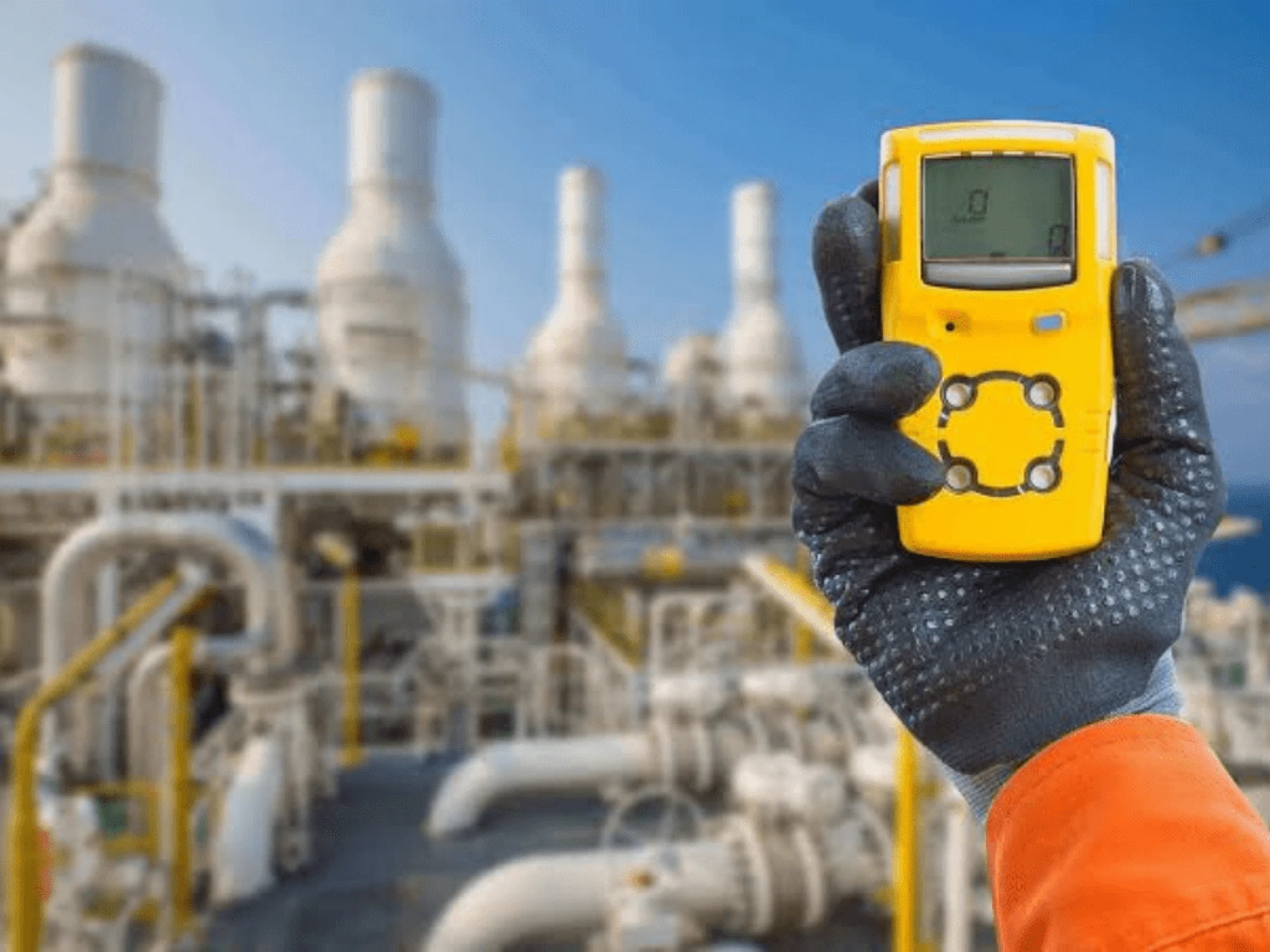
Industrial activities are moving at an accelerated pace, driven by massive production demands, automation, and a global shift toward advanced energy systems. While innovation has improved productivity, it has also heightened exposure to invisible hazards — particularly harmful gases that can accumulate silently and strike without warning. In this high-risk operational world, Gas Detection Equipment Market has become indispensable, serving as the first layer of defense in protecting workers, assets, and the surrounding environment.
From petrochemical complexes and pharmaceutical units to underground tunnels and marine operations, gas leaks are not merely technical failures — they are safety emergencies waiting to happen. The global drive toward safer, smarter, and more compliant industrial operations is placing strong emphasis on gas detection systems as essential safety infrastructure.
Get Sample Research Report Copy here - https://www.transparencymarketresearch.com/sample/sample.php?flag=S&rep_id=2023
The Evolution of Gas Detection: A Shift Toward Intelligence
Gone are the days when gas detection relied solely on handheld meters or confined-space probes. Modern solutions reflect the evolution of industrial science — capable of multi-gas detection, automated alerts, cloud-connected data analysis, and seamless integration with industrial safety platforms.
Today’s systems include:
- Fixed detectors installed in processing units and storage areas
- Portable gas analyzers for field inspection and maintenance crews
- Wearable sensors for workers in plants, tunnels, labs, and mining sites
- Wireless detection networks designed for real-time space monitoring
- AI-enabled software platforms capable of historical trend analysis
This ecosystem ensures holistic safety — from early warning alerts to automatic ventilation, emergency shutdowns, and worker evacuation protocols.
What’s Driving Market Growth?
📌 Increasing Industrial Output & Hazard Exposure
With expanding oil & gas pipelines, rising chemical manufacturing, and growing energy storage networks, industrial settings are becoming more complex. These environments must manage multiple hazardous gases such as methane, hydrogen sulfide, ammonia, chlorine, and volatile organic compounds.
📌 Stricter Global Safety Compliance
International safety frameworks — OSHA in the U.S., ATEX in Europe, and ISO standards globally — have tightened rules around hazardous-area monitoring. Industrial audits now place greater emphasis on continuous gas monitoring and automatic leak identification systems.
📌 Growing Focus on Workforce Health
Organizations now see safety not as compliance, but as a fundamental investment in employee well-being and business continuity. Gas detection has shifted from emergency preparedness to proactive risk prevention.
📌 Technology Advancements
Modern detectors now support:
- Long-range wireless communication
- Explosion-proof architecture
- Long-life sensors with auto-diagnostics
- IoT-based mobile connectivity
- GPS-enabled worker tracking and alarm systems
Such advancements accelerate adoption across high-risk industries.
Critical Applications Across Industries
Gas detection systems play a crucial role in environments where hazardous substances are used, produced, or stored, including:
- Oil & gas drilling and refineries
- Petrochemical and fertilizer plants
- Pharmaceutical and biomedical labs
- Mining and mineral extraction tunnels
- Metal foundries and fabrication units
- Power plants and renewable-energy hubs
- Food production refrigeration facilities (ammonia monitoring)
- Water treatment and sewage processing facilities
In emerging fields like hydrogen energy, biogas technology, and battery manufacturing, specialized gas detection is becoming a strategic safeguard.
Future Outlook — Autonomous Safety & Digital Protection
The next phase of gas detection technology aligns with digital industrial transformation. Expect innovations like:
- AI-based hazard modeling
- Self-learning detection platforms
- Advanced infrared & laser-based gas analysis
- Drone-based gas inspection for pipelines
- Biometric-linked worker evacuation systems
- Wearable smart PPE with integrated gas intelligence
As industrial systems become more automated, the gas detection layer will evolve into a predictive safety shield capable of identifying anomalies before they escalate into threats.
Conclusion
The gas detection equipment market is growing as industries realize that safety innovation goes beyond alarms and compliance — it is central to sustainable growth and operational excellence. With advanced sensors, digital connectivity, and automated safety protocols, modern gas detection systems are shaping a future where industrial success and human safety move in parallel.
In an era that values lives, technology, and environmental responsibility, investing in smart gas detection is not an option — it is a strategic necessity for every forward-thinking industrial organization.