A residential garage door is not merely a static barrier; it is a complex mechanical system where every component must work in synchronized harmony to manage significant weight and kinetic energy. When a single part suffers from wear, it creates a "domino effect" of operational strain throughout the entire assembly, often leading to tototal system failure. Therefore, viewing maintenance not as a series of isolated fixes but as a systemic intervention is crucial for long-term reliability. This approach addresses the root causes of mechanical degradation, particularly those exacerbated by harsh environmental conditions and aging hardware.
Environmental stressors, particularly cold weather in regions like Wisconsin, impose unique physical challenges on garage door components. Metal parts, such as lifting cables and heavy-duty springs, contract in freezing temperatures, significantly losing their inherent flexibility. Simultaneously, internal lubricants thicken, and moisture from snow or ice can freeze within moving parts overnight, creating substantial friction. This increased resistance forces the system to work harder, accelerating the wear of pulleys and rollers that are already struggling with the added stiffness.
The physical relationship between cables, pulleys, and rollers is inherently symbiotic. Pulleys are designed to guide cables and distribute the door's weight evenly, but when ice builds up in bearings or lubrication fails, cables are often forced to slide across surfaces rather than roll smoothly. This friction leads to rapid fraying and the development of rust, especially when corrosive road salt is introduced into the garage environment. To effectively restore this mechanical balance, a professional garage door repair addresses the root cause of systemic misalignment rather than just replacing a single snapped line.
Component Interdependence and Energy Management
Implementing a remedial garage door service or a scheduled seasonal tune-up is a proactive strategy to mitigate these operational risks. By conducting a comprehensive multi-point inspection, technicians can detect fraying lines, bent tracks, or loose hardware before these issues culminate in a dangerous system failure. Addressing these minor mechanical inconsistencies during seasonal transitions such as the shift from winter to spring is vital because sudden temperature fluctuations cause rapid stress on metal parts. Furthermore, inspecting weather seals during these intervals ensures the system remains protected from moisture that undermines internal lubrication.
Garage door springs serve as the primary muscles of the system, engineered for a very specific number of open-and-close cycles, typically around 10,000. Modern residential usage patterns, influenced by remote work and the high frequency of package deliveries, have significantly compressed these lifespans, causing a noted rise in spring failures across North America. When a high-tension spring reaches its fatigue limit, it cannot be safely patched or rewound; a comprehensive garage door repair requires a full replacement of the metal to ensure the door remains balanced and safe for daily operation.
Thermal stress remains a primary driver of ongoing mechanical degradation. Extreme heat causes metal components to expand, while extreme cold causes them to contract, both of which can alter the carefully calibrated tension of the counterbalance system. Insulating a garage can serve as a systemic buffer, regulating the internal environment and reducing the thermal shock experienced by the door's metal architecture. Without such protective measures, the hardware remains highly vulnerable to the warping and imbalance that eventually necessitates a professional garage door repair to prevent the door from coming off its tracks.
Preventive Maintenance as Systemic Preservation
Proper chemical maintenance is another critical aspect of a systemic intervention. Utilizing specialized silicone-based lubricants or white lithium grease ensures that metal-to-metal contact points, such as hinges and weight-bearing springs, operate with minimal friction. Conversely, many homeowners mistakenly use water-displacement agents like WD-40, which can be detrimental as they strip away existing protective lubricants and eventually invite the buildup of dust and grime. Effective maintenance requires applying high-quality lubricants sparingly to pivot points and rollers while ensuring the tracks themselves remain clean and dry to avoid slippage.
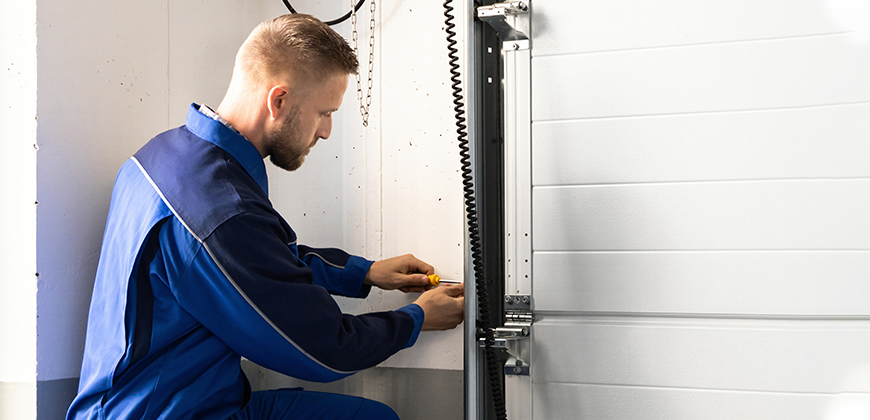
Property owners should remain vigilant for early signs of operational strain, such as increased grinding noises, slower movements, or a door that visibly tilts during its travel. These symptoms often indicate that the system's components are struggling against thickened grease, frozen moisture, or significant mechanical misalignment. Ignoring these early warning indicators often leads to an expensive, emergency-level garage door repair after a cable snaps or a spring breaks, which can cause the heavy door to drop suddenly and without warning. Because these systems utilize springs under extreme tension, all significant adjustments should be handled by trained professionals to avoid serious injury.
Conclusion
Viewing the maintenance of an overhead door through a systematic lens allows property owners to transition from reactive, emergency fixes to proactive preservation. By addressing mechanical degradation through regular lubrication, seasonal multi-point inspections, and professional intervention, one can effectively mitigate the operational strain caused by environmental factors and heavy daily usage. This holistic strategy not only extends the functional lifespan of the hardware but also ensures the ongoing safety and security of the entire home.