
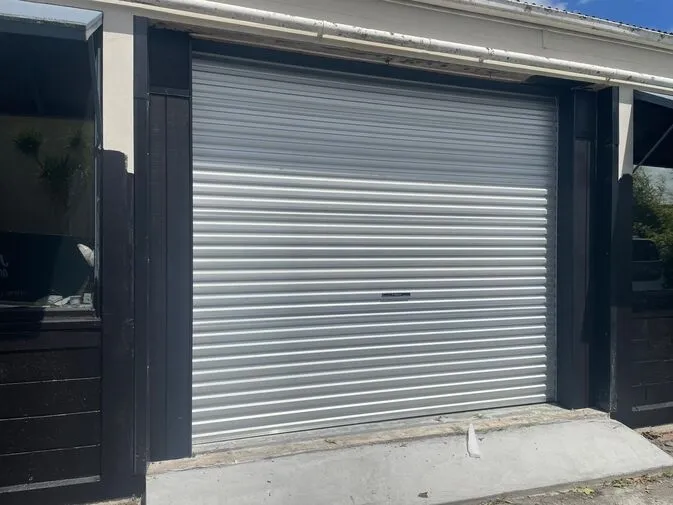
Garage door fixing services in New Zealand cover everything from minor adjustments to full system overhauls for both homes and commercial properties, and they focus heavily on safety, reliability, and compliance with local conditions and building standards. These services typically work with the main door types used across New Zealand—sectional, roller, tilt, and other specialty doors—along with their openers, tracks, springs, and safety systems.
Common garage door types in New Zealand
New Zealand homes and businesses mainly rely on a small group of core garage door designs that suit different spaces and security needs.
- Sectional doors are now the most common option for new homes in New Zealand because they open vertically in panels, offer good insulation, and come in many styles and finishes.
- Roller doors are widely used in both residential and commercial settings where space above or in front of the opening is limited, since they roll into a compact coil above the doorway.
- Tilt doors consist of a single solid panel that tilts out and up, making them suitable for older garages or simple openings but requiring more clearance in front of the building.
- Some businesses still use custom sliding, side-hinged, or high-cycle industrial doors in workshops, storage units, and warehouses where large or frequent vehicle movements are common.
Typical problems with home garage doors
Household garage doors in New Zealand face salt-laden coastal air, temperature changes, and frequent daily use, all of which can create common faults over time.
- Noisy operation, jerking movement, or shaking often indicate worn rollers, loose brackets, or misaligned tracks that need adjustment and lubrication.
- Broken or weakened torsion and extension springs can stop the door from opening or make it very heavy, and these components require specialist handling due to stored tension and safety risk.
- Frayed lifting cables, bent tracks, or damaged hinges can cause the door to bind, lean to one side, or fail partway through its travel.
- Weather seals can harden or split, allowing water and drafts into the garage and reducing energy efficiency and protection for stored items.
Typical problems with commercial and industrial doors
Business premises put garage and shutter doors under much more frequent and demanding use, so repair services focus on durability and minimal downtime.
- High-cycle use can wear out motors, limit switches, and control boards, resulting in intermittent operation or doors that stop randomly during travel.
- Forklift impacts, vehicle strikes, or loading accidents often bend tracks and bottom rails, causing doors to jam and creating safety hazards at busy entry points.
- Commercial doors near coastal or industrial sites may corrode faster, leading to rusted panels, brackets, and fasteners that must be replaced to maintain structural integrity.
- Access control failures—such as faulty keypads, card readers, or safety beams—can disrupt security and require coordinated repair with the door mechanism itself.
Core components involved in fixing
A professional garage door fix usually involves checking and, if necessary, repairing or replacing several key parts to restore smooth and safe operation.
- Springs and cables balance the weight of the door, so their condition directly affects how easily and safely the door moves.
- Tracks and rollers guide the door along the opening, and they must be correctly aligned and free from dents or heavy contamination.
- Hinges, brackets, and fasteners hold sectional panels and hardware together, and loose or damaged hardware can quickly lead to more serious failures.
- Automatic openers, remotes, and safety sensors control powered operation and require adjustment or replacement when the door does not respond properly or reverses unexpectedly.
Repair services for homes
Repair services for residential properties in New Zealand are structured to handle both urgent breakdowns and routine maintenance.
- Emergency callouts often cover jammed doors, stuck vehicles, broken springs, or snapped lifting cables that make the door unsafe or unusable.
- Technicians routinely realign tracks, replace worn rollers, adjust spring tension, and reprogram remote controls to keep doors running quietly and reliably.
- Panel repairs or replacements are common when a car backs into the door or when individual sectional panels are dented, allowing restoration without replacing the whole door.
- Services may also include adding insulation, draught seals, or upgraded safety features to existing doors for better comfort and protection.
Repair services for businesses
Business and industrial locations usually need more structured support for their access systems due to safety regulations and operational needs.
- Scheduled preventive maintenance programs help identify worn parts early, reduce unplanned downtime, and support compliance with workplace safety standards.
- Services often include testing safety interlocks, photoeye sensors, and manual release mechanisms to ensure doors can be operated safely in emergencies.
- Technicians may upgrade motors and control systems to heavier-duty models when original equipment proves inadequate for high use or for heavy doors.
- For multi-door facilities such as parking buildings or storage complexes, repair providers can standardise components and controls to simplify future servicing.
Safety and legal considerations
Safe operation is central to any garage door fixing work because doors are heavy, spring-loaded, and often motorised.
- Newer systems include safety edges, auto-reverse technology, and photoelectric beams that stop or reverse the door if obstacles are detected.
- Regular testing of these features is essential, such as placing an object under the door to confirm that it reverses when closing.
- Because springs and high-tension cables can cause serious injury if handled incorrectly, reputable services strongly recommend that untrained users avoid major mechanical repairs.
- Commercial sites also need to consider local regulations and building codes to ensure automated doors meet workplace safety requirements.
When to repair and when to replace
A key decision for both homeowners and businesses is whether to repair an existing door or replace it with a new one.
- Repair is usually suitable for isolated issues such as a broken spring, worn rollers, minor panel dents, opener faults, or failed sensors when the rest of the system is sound.
- Replacement is often more cost-effective when the door is very old, badly corroded, heavily damaged across multiple panels, or no longer meets security and insulation expectations.
- In some cases, simply upgrading the motor unit and controls while keeping a structurally sound door can improve convenience and reliability without full replacement.
- For businesses, door replacement may be timed alongside other renovations or security upgrades to minimise disruption.
Routine maintenance tips for owners
Basic maintenance helps reduce the need for reactive repairs and keeps doors working efficiently between professional services.
- Visual inspections every few months can reveal frayed cables, rusty parts, loose fasteners, or misaligned tracks before they cause major failures.
- Lubricating rollers, hinges, and springs with suitable products reduces friction, noise, and wear on metal components.
- Keeping tracks clean from dirt and debris prevents binding, though most experts suggest avoiding heavy lubrication on the tracks themselves to stop buildup.
- Testing manual release mechanisms and backup access methods ensures the door can still be used safely during power cuts or motor failures.
New Zealand-specific considerations
New Zealand’s climate, coastal environment, and building practices influence how garage door fixing services operate and advise their clients.
- Coastal and high-humidity areas benefit from corrosion-resistant materials such as aluminium or well-coated steel, along with regular checks for rust.
- Insulated doors are popular in colder regions and for attached garages, as they help manage temperature and protect stored items such as tools, vehicles, and appliances.
- Wind loading can be a concern in some regions, so doors and hardware need to be matched to local conditions to avoid flexing, rattling, or structural damage.
- Many New Zealand homes and small businesses choose doors that balance appearance with practical security, making repair decisions partly aesthetic.
Role of professional technicians
Trained technicians provide a combination of diagnostic skill, specialist tools, and product knowledge that most property owners do not have.
- Technicians can quickly trace symptoms such as noise, uneven travel, or error codes to the correct component, which reduces trial-and-error and unnecessary part replacements.
- They use dedicated tools for winding torsion springs, tensioning cables, and aligning tracks, which makes the process more accurate and safer than improvised methods.
- For automated systems, many can reprogram openers, integrate smart controls, and troubleshoot interference issues with remotes and keypads.
- Commercial specialists are also familiar with access control integration, safety standards, and the long-term wear patterns seen in high-traffic sites.
Choosing a service provider (neutral, non-branded)
While specific provider names are not discussed here, certain qualities are widely recommended when selecting garage door fixing support in New Zealand.
- Look for clear information on experience with your door type, including sectional, tilt, and Roller doors repair for properties that use rolling systems.
- Check that technicians are familiar with both manual and automatic openers, including safety features and smart control options.
- Transparent pricing, detailed explanations of required work, and clear options between repair and replacement help owners make informed decisions.
- For business sites, it is helpful to work with services that can offer regular maintenance schedules and rapid response for critical access doors.
Benefits of timely fixing
Prompt attention to garage door issues protects people, property, and daily operations for both homes and businesses.
- Fixing small issues early, such as noisy operation or slight misalignment, prevents more serious failures like broken springs, cable snaps, or motor burnout.
- Well-maintained doors improve security by ensuring the door fully closes, locks correctly, and resists forced entry attempts.
- Smooth operation reduces wear on motors and hardware, extending the lifespan of the entire system and reducing long-term costs.
- For businesses, reliable doors keep loading areas, car parks, and storage facilities running efficiently without bottlenecks or safety incidents.
This overview shows how garage door fixing services in New Zealand support both residential and commercial users by maintaining safe, reliable, and long-lasting access systems tailored to local conditions and door types.