
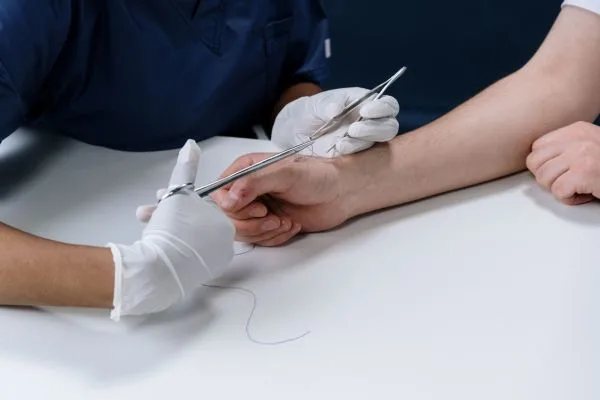
A ganglion cyst can appear as a small, noticeable lump around the wrist, hand, fingers, or other joints. While many ganglion cysts are harmless, they can sometimes cause discomfort, restricted movement, pressure on nearby nerves, or difficulty performing everyday activities. When symptoms persist or the cyst keeps returning, surgery may become a treatment option.
For people considering ganglion surgery Singapore, understanding the condition, available treatments, surgical process, and recovery period can make the decision easier.
What Is a Ganglion Cyst?
A ganglion cyst is a fluid-filled lump that commonly develops near a joint or tendon. It is usually non-cancerous and may vary in size over time. Some cysts remain painless, while others can become uncomfortable, particularly when the affected joint is frequently used.
Ganglion cysts are commonly found around the wrist, although they can also occur in the hand, fingers, ankle, or foot.
The size and symptoms of a cyst can change depending on joint activity. In some cases, it may become more prominent after repetitive movement and appear smaller when the joint is rested.
When Does a Ganglion Cyst Need Treatment?
Not every ganglion cyst requires surgery. If the lump is small and does not cause symptoms, a doctor may recommend observation and monitoring.
Treatment may be considered when the cyst:
- Causes persistent pain or tenderness
- Interferes with joint movement
- Presses against nearby nerves
- Produces numbness or tingling
- Makes everyday activities uncomfortable
- Continues to increase in size
- Returns after previous treatment
- Causes significant functional or cosmetic concerns
A specialist can assess the cyst and determine whether monitoring, non-surgical treatment, or surgery is the most suitable approach.
What Does Ganglion Surgery Involve?
Ganglion surgery generally focuses on removing the cyst along with its connection to the nearby joint or tendon sheath. This is important because simply removing the visible fluid-filled portion may not always prevent recurrence.
The exact technique depends on the cyst's location, size, and relationship with surrounding structures.
Before the procedure, the surgeon may examine the affected area and, when necessary, recommend imaging such as an ultrasound or MRI to understand the cyst more clearly.
Depending on the case, the procedure may be performed using local or regional anaesthesia, with the choice determined by the surgeon and anaesthetic team.
Open Surgery vs Minimally Invasive Techniques
Ganglion cysts can be treated using different surgical approaches. Traditional open surgery involves making an incision over or near the cyst and removing it carefully.
For certain wrist ganglion cysts, minimally invasive or arthroscopic techniques may be appropriate. These methods use small incisions and specialised instruments to access and remove the cyst.
However, minimally invasive treatment is not suitable for every patient. The location of the cyst, previous procedures, anatomy, and surgeon's assessment all influence the choice of technique.
What Can You Expect After Ganglion Surgery?
Recovery varies from person to person. Immediately after surgery, some swelling, tenderness, or stiffness around the treated area may be expected.
Patients are usually given instructions regarding:
- Keeping the surgical wound clean and protected
- Managing discomfort and swelling
- Moving the affected joint when advised
- Avoiding strenuous activities temporarily
- Attending follow-up appointments
- Gradually returning to normal activities
The recovery timeline depends on the location of the cyst and the type of procedure performed. Your surgeon can provide more specific guidance based on your individual condition.
Can a Ganglion Cyst Come Back After Surgery?
Although surgery can remove the cyst and its connecting tissue, recurrence is still possible. The risk can depend on factors such as the cyst's location, its connection to the joint, surgical technique, and individual healing.
This is why choosing an appropriate treatment approach and following post-operative instructions are important parts of recovery.
Choosing Ganglion Surgery in Singapore
When exploring ganglion surgery Singapore, patients should look beyond the procedure itself. The experience of the specialist, diagnostic assessment, surgical approach, aftercare, and suitability of the treatment should all be considered.
A consultation gives the specialist an opportunity to evaluate the lump, understand your symptoms, review your medical history, and determine whether surgery is actually necessary.
Is Surgery Always the First Choice?
No. Surgery is generally considered when symptoms are significant, conservative treatment has not provided adequate relief, or the cyst is affecting function.
Depending on the circumstances, other options may include observation, activity modification, splinting, or aspiration. However, these approaches have different benefits and recurrence considerations.
The best treatment is therefore not necessarily the most invasive one. A proper clinical assessment can help determine which option fits your condition.
Final Thoughts
A ganglion cyst may be harmless, but persistent pain, restricted movement, nerve-related symptoms, or repeated recurrence can make treatment worthwhile. Ganglion surgery Singapore can provide an effective option for suitable patients when conservative measures are insufficient.
If you have noticed a lump around your wrist, hand, finger, ankle, or another joint, getting it assessed by a qualified specialist can help establish the cause and identify the most appropriate treatment. Early evaluation can also prevent you from unnecessarily living with ongoing discomfort or uncertainty.