
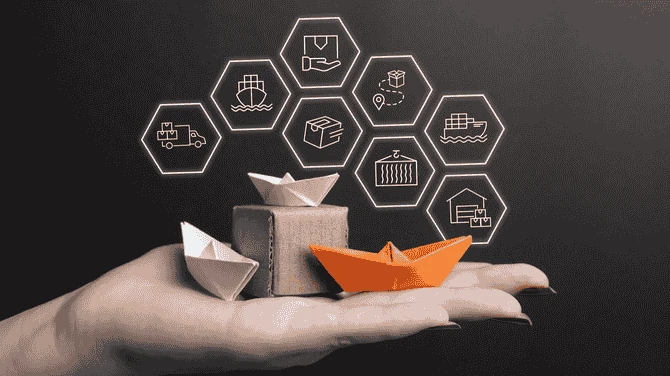
In 2026, gamification has emerged as a key strategy that companies are adopting to enhance supply chain productivity and gain a competitive advantage. By leveraging game mechanics to foster employee engagement, optimize workflows, and boost overall performance, businesses are finding new ways to stay ahead of their competitors. The supply chain sector, traditionally known for its efficiency-driven focus, is now incorporating innovative strategies like gamification to drive results and create measurable improvements in productivity. In this article, we’ll explore how gamification is shaping the future of supply chain management and how businesses can harness its potential for long-term success.
For more info visit: https://bi-journal.com/competitive-advantage-for-supply-chain-productivity/
Gamification and Its Role in Supply Chain Productivity
Gamification refers to the integration of game elements such as scoring systems, leaderboards, challenges, and rewards into non-game environments to enhance user engagement and performance. In the context of supply chain management, gamification encourages employees to actively participate in their tasks by making their work more engaging and rewarding. By using gamification techniques, businesses can motivate employees to perform better, track their progress, and compete against their colleagues, which ultimately drives productivity.
In 2026, this approach has gained significant traction, with organizations realizing that traditional methods of driving efficiency and productivity are no longer sufficient. The need for innovation is evident, and gamification offers a fresh, dynamic solution to improving employee involvement and optimizing day-to-day supply chain operations.
How Gamification Creates a Competitive Advantage
Gamification introduces a transformative shift in how supply chain teams work together and perform their duties. By tapping into the psychological triggers of competition and reward, gamification motivates employees to exceed their targets, which leads to improved productivity and better results for the business. When employees feel like they are part of a team with shared goals and rewards, they are more likely to put in the effort needed to ensure the supply chain runs smoothly.
Moreover, gamification allows companies to gather real-time data on employee performance, which can be used for continuous improvements. It enables businesses to make better decisions based on data-driven insights, leading to more accurate forecasting, inventory management, and overall process optimization. This translates into enhanced operational efficiency, reduced costs, and an overall better customer experience.
The Future of Gamification in Supply Chain
As businesses look to stay ahead of their competition in 2026 and beyond, gamification will continue to evolve. With advancements in technology and artificial intelligence, supply chain operations will become even more data-driven, making gamification more sophisticated. Companies will use data analytics to personalize gamification strategies, tailoring them to individual employee strengths and weaknesses.
Looking to the future, gamification will be integrated with Internet of Things (IoT) devices and automation technologies to further streamline supply chain processes. Gamified systems will not only reward employees but also provide real-time feedback on machine performance, inventory tracking, and order fulfillment. By leveraging real-time data, gamification can create an ecosystem of collaboration between human workers and automated systems, further improving supply chain productivity.
As companies continue to recognize the value of gamification, they will implement more complex and personalized strategies that empower employees to perform at their highest level. BI Journal has highlighted several success stories where businesses have achieved remarkable improvements in supply chain productivity through gamification.
BI Journal’s Insight into Gamification and its Impact
The Business Insight Journal, or BI Journal, has consistently provided valuable perspectives on emerging business strategies, and gamification is one of the focal points of interest. Their recent articles discuss the long-term impact of gamification on various sectors, including supply chain management. The insight shared by BI Journal emphasizes how companies that integrate gamification into their supply chain operations can create a significant competitive advantage by boosting employee motivation and improving overall productivity.
In particular, BI Journal reports that gamification encourages a culture of continuous improvement within organizations. Employees are more likely to embrace innovative ideas and technologies when they feel empowered and rewarded. As a result, businesses are able to adapt quickly to changes in the supply chain landscape, ultimately gaining an edge over their competitors.
Conclusion
As we look toward 2026, gamification is set to revolutionize the way businesses approach supply chain management. With its ability to enhance employee engagement, optimize workflows, and drive performance, gamification offers a unique competitive advantage that companies can leverage to boost productivity and stay ahead in an increasingly competitive market. As businesses continue to innovate and adapt to new challenges, gamification will play a central role in shaping the future of supply chain productivity.
This news inspired by Business Insight Journal https://bi-journal.com/