
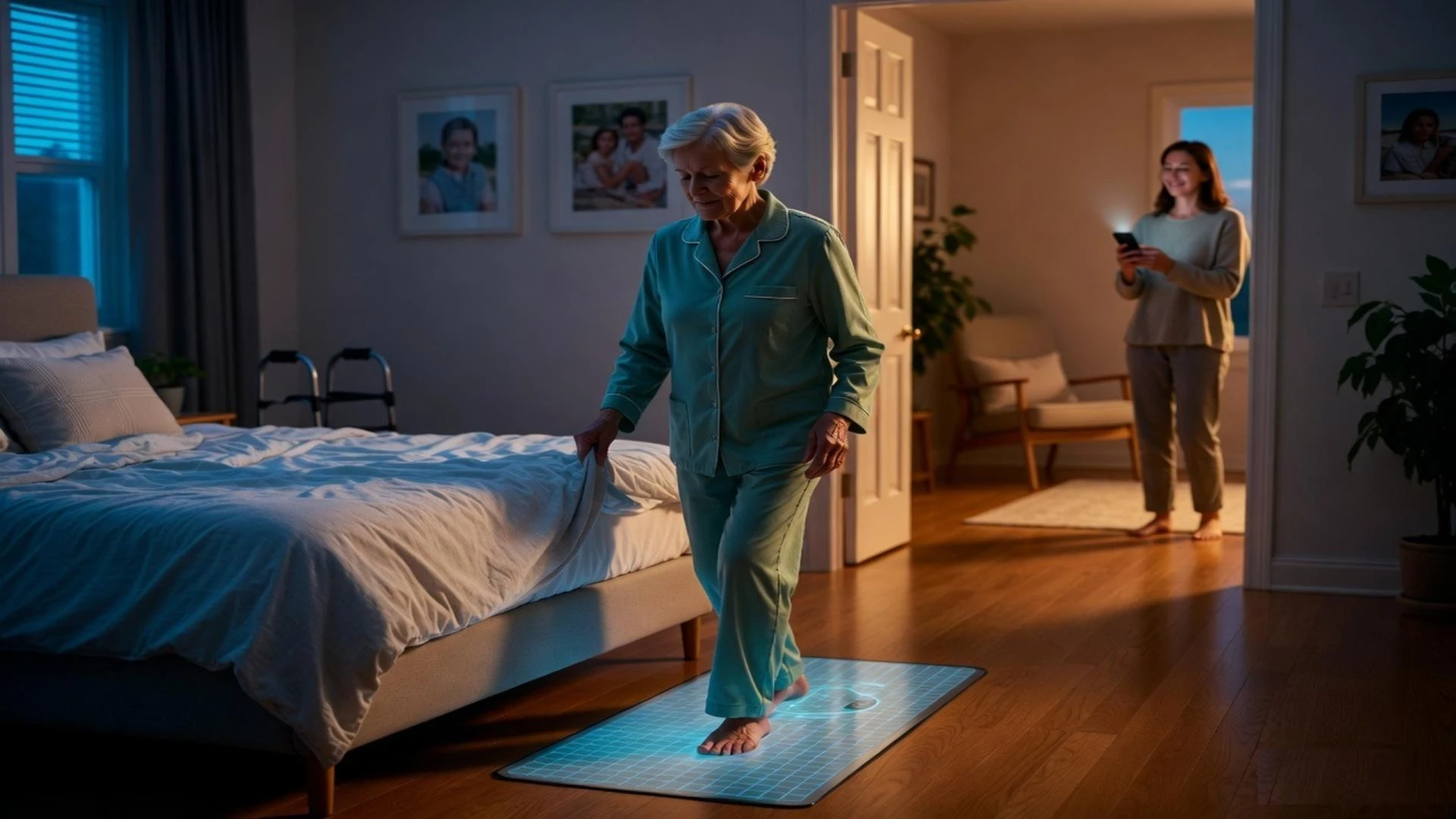
In 2026, Alzheimer's care products have evolved from basic safety tools into intelligent systems that restore dignity and autonomy for millions living with dementia. Families no longer face the heartbreaking choice between constant supervision and risky independence. Instead, smart tech Alzheimer's care products now blend seamlessly into daily life, quietly monitoring risks while empowering users to navigate their homes with confidence.
Alzheimer's disease affects cognitive function, memory, and spatial awareness, leading to common challenges like wandering, falls, and medication mix-ups. Traditional care often meant institutional settings or round-the-clock caregivers. Today, innovative Alzheimer's care products leverage AI, sensors, and connectivity to support aging in place. These solutions don't just alert families—they anticipate needs, reduce isolation, and preserve quality of life.|
The Rise of Smart Tech in Alzheimer's Care
The shift toward independence-focused Alzheimer's care products reflects broader 2026 trends in Age Tech. Smart homes have become responsive care hubs, using IoT devices, wearables, and predictive analytics to monitor health without intrusion. Fall detection alone is transformative: over one in four adults over 65 fall annually, with falls ranking as a leading injury cause for this group. Smart sensors now distinguish normal movement from genuine risks, sending instant alerts while respecting privacy through radar or non-camera options.
Voice-activated assistants and AI reminders handle routine tasks, such as medication timing or stove shut-off, supporting cognitive independence. GPS-enabled wearables with geofencing prevent wandering—a top concern for Alzheimer's families—while discreetly tracking location. Emerging AI smart glasses even offer real-time verbal prompts and memory cues, helping users recall names or navigate familiar routes. These aren't futuristic concepts; they're available now and integrate with existing smart home ecosystems for holistic support.
What sets 2026 Alzheimer's care products apart is their focus on usability. Devices are intuitive, wireless, and designed with seniors in mind—no complex apps or buttons that could confuse users. Battery life spans days or weeks, and systems sync effortlessly with caregiver smartphones for peace of mind without constant checking.
Key Innovations Transforming Independence
Several categories of smart tech stand out as game-changers in Alzheimer's care products this year:
Wearables with Advanced Monitoring:
Slim watches and discreet insoles combine fall detection, heart rate tracking, and GPS. Models like medical alert watches automatically call for help after detecting a fall or crash, while sharing vital data with responders. For dementia patients, geofencing creates virtual boundaries, notifying loved ones only if someone strays beyond safe zones. These promote freedom to move outdoors without fear.
AI-Powered Smart Home Sensors: Radar-based systems and motion detectors monitor activity patterns privately—no video feeds required. They detect unusual inactivity (possible falls) or nighttime wandering, lighting paths automatically to prevent trips. Voice assistants provide gentle reminders for daily routines, reducing agitation and supporting memory without overwhelming the user.
Medication and Cognitive Support Tools: Smart dispensers release pills on schedule with audio-visual cues. AI-driven apps or glasses deliver personalized memory exercises and conversation prompts, slowing cognitive decline while keeping users engaged.
Floor Pressure Sensor Mats: A cornerstone of practical Alzheimer's care products, these wireless mats detect when someone steps out of bed or a room. They trigger portable alarms or app notifications instantly, giving caregivers time to respond without hovering. In 2026, top systems are cord-free, medically disinfected, and long-range for multi-room coverage.
These innovations work together. A wearable might alert during the day, while home sensors and mats provide overnight security—creating layered protection that feels invisible.
Spotlight on Mat On Guard: Reliable, User-Friendly Alzheimer's Care Products
Among standout Alzheimer's care products, Mat On Guard excels with its specialized wireless floor pressure mat alarms. As a family-owned specialist in dementia and elderly care, Mat On Guard designs simple yet robust solutions tailored for home use, nursing settings, or NHS support. Their pressure mats slip under beds, doorways, or high-risk areas, sensing movement the moment a foot touches down.
Key benefits include no trailing cords (eliminating trip hazards), portable receivers that caregivers can carry anywhere, and adjustable alerts that range from discreet chimes to smartphone notifications. These mats are medically disinfected and sealed for hygiene, making them ideal for Alzheimer's patients prone to wandering or nighttime confusion. Unlike complex tech that requires Wi-Fi setup or app training, Mat On Guard systems are plug-and-play—delivering reliable alerts without adding stress.
Families report reduced anxiety and fewer incidents, allowing loved ones to maintain routines safely. Whether preventing bed-exit falls or monitoring room exits, Mat On Guard mats complement wearables and smart homes, forming a complete independence ecosystem. Their cost-effective approach proves that game-changing Alzheimer's care products don't need to be expensive or flashy—they just need to work reliably.
Real-World Benefits: Safety, Dignity, and Reduced Caregiver Burden
The true measure of these Alzheimer's care products is independence delivered. Users regain control over small daily freedoms: making tea without supervision, walking familiar halls, or enjoying quiet evenings. Caregivers sleep better knowing instant alerts prevent emergencies, while data insights help spot patterns like increased nighttime activity signaling health changes.
Studies and real-user feedback highlight lower hospitalization rates, delayed need for full-time care, and improved emotional well-being. Privacy-focused designs (radar over cameras) preserve dignity, avoiding the feeling of constant surveillance. In an era where 95% of seniors prefer aging in place, these tools make that goal realistic and sustainable.
Looking Ahead: The Future of Alzheimer's Care Products
By late 2026, expect even tighter integration—predictive AI that learns individual routines and preempts risks, plus companion robotics for emotional support. Yet the foundation remains accessible, human-centered tech like pressure mats from Mat On Guard combined with broader smart ecosystems.
For families navigating Alzheimer's, exploring these options early can transform challenges into manageable routines. Whether starting with a reliable floor mat or building a full smart home setup, the right Alzheimer's care products prioritize what matters most: safety without sacrificing freedom.
Investing in 2026's smart tech isn't just about gadgets—it's about reclaiming moments of normalcy. Consult healthcare providers or specialists to match products to specific needs, and consider trusted names like Mat On Guard for proven, no-fuss solutions. Independence isn't a distant hope; with today's Alzheimer's care products, it's a daily reality.