The field of artificial intelligence is evolving rapidly, and one of the most promising developments is agentic AI—an advanced form of AI that can autonomously make decisions, pursue goals, and take proactive actions based on environmental feedback. Over the next decade, agentic AI is poised to revolutionize how businesses operate, make decisions, and engage with customers. Let’s explore the key trends shaping the future of agentic AI services and what organizations can expect moving forward.
1. Increased Autonomy and Proactive Behavior
Agentic AI systems are designed to act independently, with minimal human intervention. Unlike traditional AI models that require specific instructions or prompts, agentic AI can determine its own objectives within a given framework. In the coming years, we’ll see these systems become increasingly capable of making high-stakes decisions in real time—whether in finance, healthcare, logistics, or cybersecurity. This shift toward autonomy will significantly reduce human oversight, boosting efficiency while maintaining compliance and accuracy.
2. Integration with Multi-Modal Capabilities
The next generation of agentic AI services will leverage multi-modal inputs—text, speech, vision, and sensor data—to interact more naturally with humans and the physical world. This will enable a more holistic understanding of tasks and environments, allowing AI agents to perform complex functions such as medical diagnostics, customer service, and autonomous navigation. For instance, an AI agent in a healthcare setting might simultaneously analyze a patient’s speech, body language, and diagnostic imaging to deliver a more accurate and empathetic response.
3. Personalized AI Agents for Enterprises
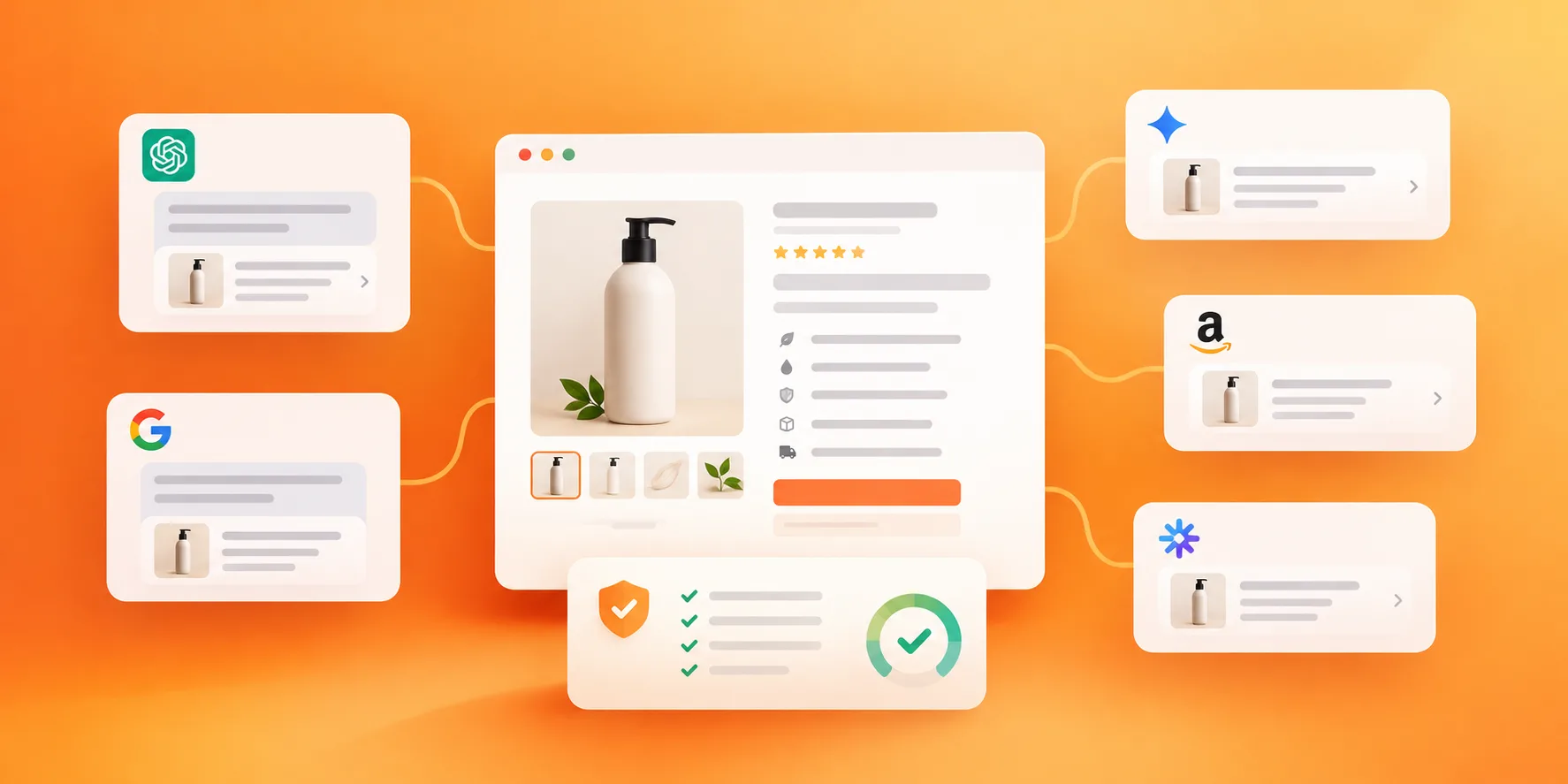
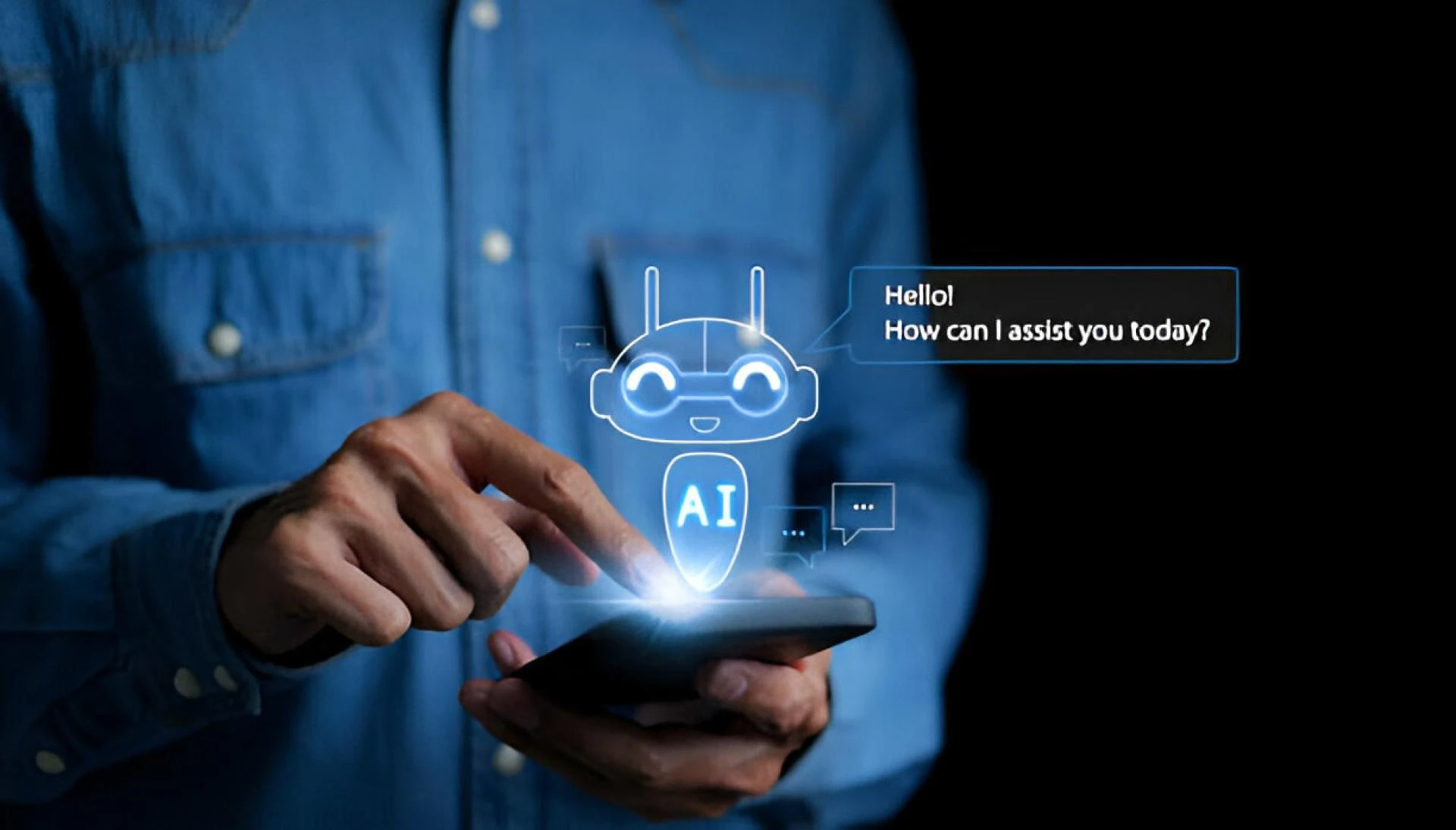
Just as businesses use chatbots today, the future will see the deployment of highly personalized agentic AI services tailored to individual company needs. These agents will learn and adapt based on organizational processes, customer preferences, and evolving business goals. Whether it’s an AI-powered sales assistant that autonomously nurtures leads or an AI-driven operations manager optimizing supply chains, agentic AI will become an indispensable partner in day-to-day business activities.
4. Ethical and Regulatory Frameworks
As agentic AI systems gain autonomy, the ethical and regulatory implications will grow. Over the next decade, governments and organizations will need to create standardized frameworks to govern these systems, ensuring accountability, transparency, and fairness. Agentic AI services will likely come equipped with built-in compliance mechanisms to meet legal requirements across jurisdictions. We can also expect the emergence of AI ethics audits and certification bodies that specialize in agentic technologies.
5. Collaborative Human-AI Teams
Far from replacing humans, agentic AI will increasingly serve as collaborators in the workplace. These systems will work alongside human professionals, handling routine or data-intensive tasks while offering strategic suggestions. The result will be more empowered human teams that can focus on creativity, innovation, and emotional intelligence. In industries such as legal, marketing, and research, agentic AI will transform productivity and unlock new value streams.
6. Scalable Deployment Across Sectors
Agentic AI services are becoming more accessible and scalable, thanks to advances in cloud computing, edge AI, and machine learning frameworks. In the next decade, we’ll see widespread adoption across sectors—startups, SMEs, and large enterprises alike. The ability to deploy customized AI agents on demand will redefine what’s possible in automation, decision-making, and user engagement.
7. Continuous Learning and Adaptability
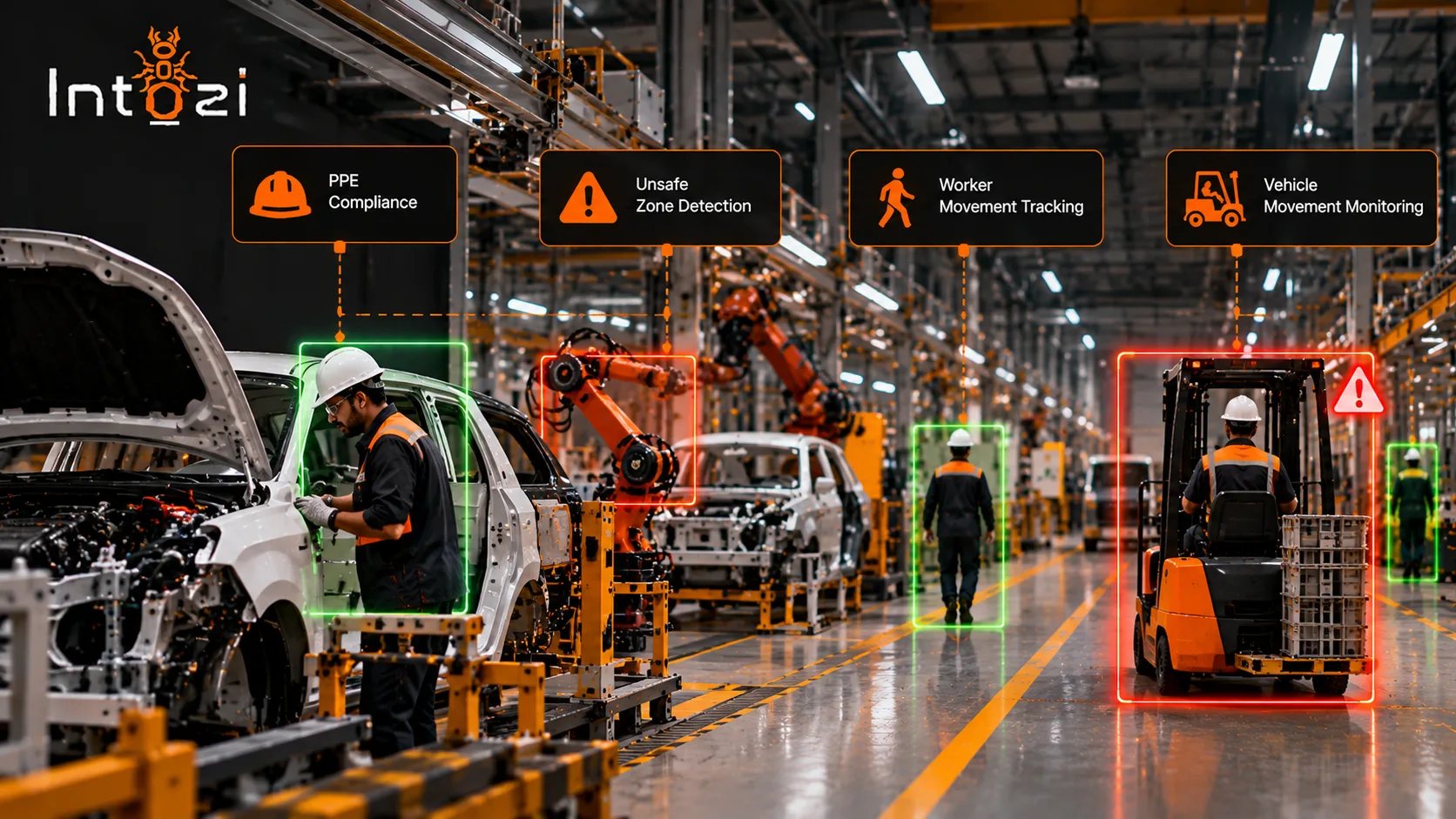
Future agentic AI systems will not be static. Instead, they will continuously learn from their environment, adapt to new information, and self-optimize their performance. This capability will be especially crucial in dynamic industries like e-commerce, cybersecurity, and manufacturing, where agility and real-time responsiveness are essential for success.
Conclusion
The next decade will witness a significant transformation in how businesses and societies leverage AI. Agentic AI services will lead this shift, enabling more autonomous, intelligent, and personalized solutions across every domain. By embracing these trends now, organizations can position themselves at the forefront of innovation and competitiveness in an increasingly AI-driven world. As this technology matures, the possibilities are not only exciting—they are virtually limitless.