
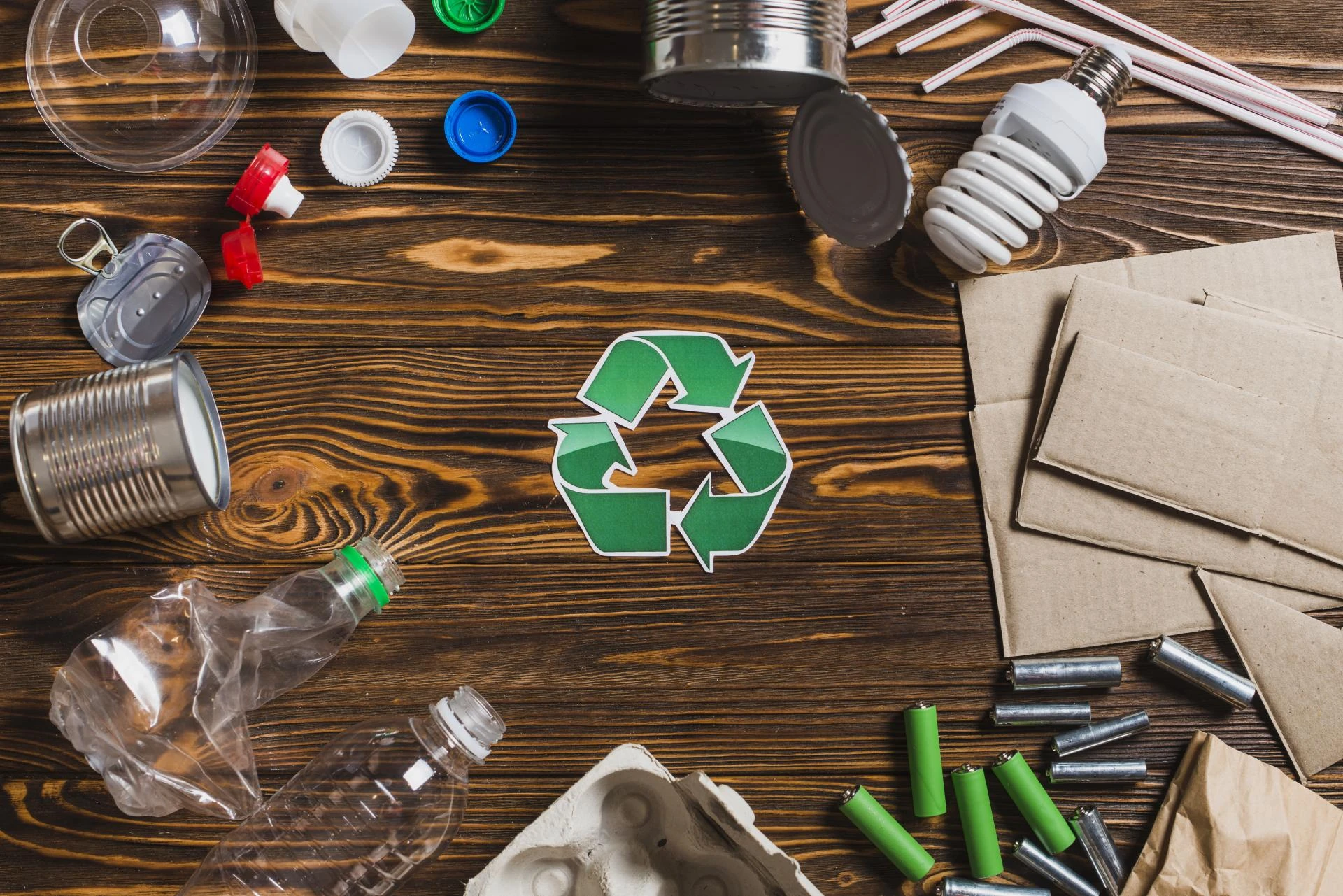
As populations grow and urban centers expand, the challenge of managing waste continues to intensify. Landfills are filling up, natural resources are being strained, and the environmental consequences of traditional disposal methods are becoming more evident. To address these issues, communities, governments, and businesses are shifting their focus toward recycling and waste reduction as key strategies for a more sustainable future.
The future of recycling is about more than just separating plastics from paper—it’s about innovation, technology, and smarter systems that allow us to rethink how we produce, use, and dispose of materials.
1. Smarter Collection Systems
One of the first steps toward efficient recycling and waste reduction is improving the way waste is collected. Outdated collection methods often lead to overflowing containers, contamination, and inefficiency. Modern solutions like front load waste bins provide a practical approach for businesses and communities by allowing large volumes of waste to be managed in an organized, space-saving way.
These bins not only make collection easier but also support more frequent recycling efforts by streamlining disposal processes.
2. Expanding the Role of Technology
Technology is playing a transformative role in how we manage waste. Sensor-equipped bins, for example, can alert waste collectors when they’re full, helping reduce unnecessary pickups and ensuring timely disposal.
Artificial intelligence is being applied in recycling plants to automatically sort materials more accurately than humans, reducing contamination and improving recycling rates. With continued advancements, technology will remain a driving force in making waste systems more efficient and eco-friendly.
3. The Growth of Mixed Recycling Programs
Another trend shaping the future is the rise of mixed recycling, which allows multiple types of recyclable materials—such as paper, plastic, and metal—to be placed in a single bin. This approach makes recycling simpler for households and businesses, increasing participation rates.
While it presents challenges, such as the need for advanced sorting facilities, mixed recycling ultimately contributes to higher recovery of valuable resources and a reduction in landfill dependency.
4. Circular Economy Principles
Waste reduction goes beyond recycling—it involves rethinking the entire lifecycle of a product. The concept of a circular economy focuses on designing goods in ways that minimize waste, promote reuse, and extend product life. For instance, manufacturers are increasingly using recycled materials in new products, while businesses are exploring leasing models instead of single-use consumption.
This shift reduces overall waste generation and promotes sustainability at the systemic level.
5. Reducing Single-Use Plastics
Governments and businesses worldwide are taking stronger stances against single-use plastics. Items like plastic straws, bags, and cutlery are being phased out in favor of biodegradable or reusable alternatives. This shift is critical in reducing plastic pollution, which often ends up in oceans and harms marine life.
By adopting policies and encouraging consumer behavior changes, cities and countries are paving the way for a future with far less plastic waste.
6. Waste-to-Energy Innovations
Not all waste can be recycled, but that doesn’t mean it must go to landfills. Waste-to-energy technologies are emerging as a promising solution, converting non-recyclable materials into electricity, heat, or fuel.
These systems not only reduce landfill use but also provide renewable energy sources, making them a valuable addition to modern waste reduction strategies.
7. Community Engagement and Education
Recycling and waste reduction efforts are only effective if people participate. Public education campaigns and community programs play an essential role in raising awareness and motivating individuals to adopt sustainable practices. From school recycling programs to citywide composting initiatives, the involvement of communities ensures that waste systems are not just technologically advanced, but also widely supported.
8. Corporate Responsibility and Innovation
Businesses are recognizing their role in reducing waste and driving innovation. Many companies are adopting zero-waste goals, redesigning packaging, and investing in recycling partnerships. Retailers are also encouraging customers to return used products for recycling or repurposing. By taking responsibility for the end life of their products, businesses can set new standards for sustainability and influence consumer habits in positive ways.
9. Policy and Regulation
Government policies will continue to play a major role in shaping the future of recycling and waste reduction. From mandatory recycling laws to incentives for businesses that adopt eco-friendly practices, regulations help create accountability and encourage broader participation.
Municipalities are also experimenting with pay-as-you-throw systems, where households are charged based on the amount of waste they produce, promoting waste reduction at the source.
10. A Vision for the Future
The future of recycling and waste reduction will be defined by integration—combining innovative technology, smart infrastructure, supportive policies, and active community participation. While challenges such as contamination and limited recycling infrastructure still exist, progress is being made every day. As cities and businesses invest in modern solutions, the vision of a cleaner, more sustainable world becomes increasingly achievable.
Final Thoughts
Efficient recycling and waste reduction are more than environmental goals—they’re essential for the sustainability of growing populations and the preservation of natural resources. By embracing smarter systems, supporting innovations like mixed recycling, and encouraging responsibility across communities and industries, we can transform waste management into a system that not only reduces harm but also creates value.
The future will demand collaboration between governments, businesses, and individuals, but the rewards—cleaner cities, reduced pollution, and a healthier planet—are well worth the effort. Recycling and waste reduction are no longer optional—they are the foundation of a sustainable tomorrow.