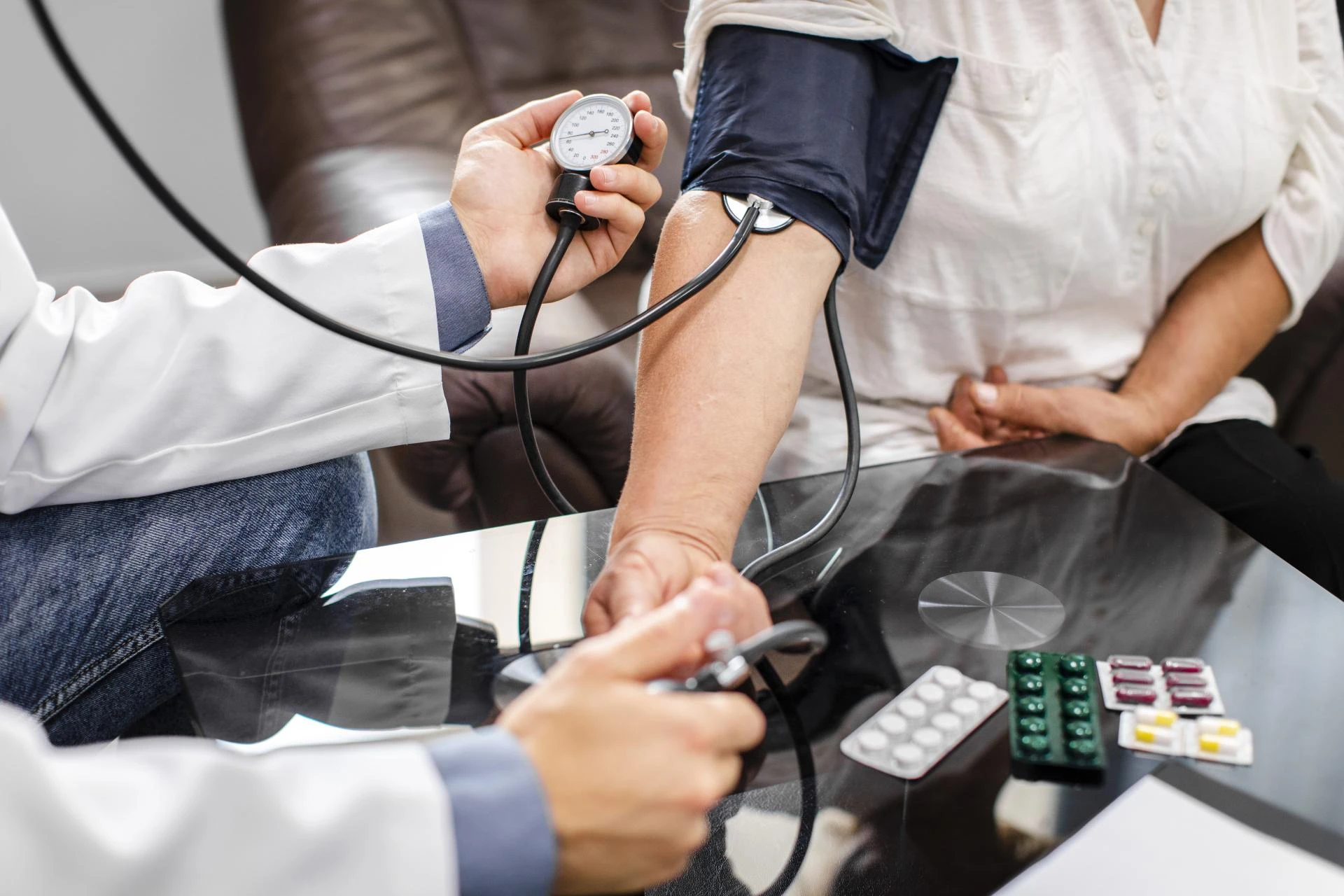
In today’s evolving healthcare environment, accurate vital signs measurement plays a critical role in delivering timely and effective patient care. Hospitals, clinics, and senior living facilities increasingly rely on advanced technologies to capture essential health data while improving operational efficiency. Modern approaches to measuring vital signs measurement are transforming traditional healthcare workflows and helping providers make faster, more informed decisions that directly impact patient outcomes.
Importance of Accurate Vital Signs Measurement
Vital signs such as temperature, heart rate, respiratory rate, and blood pressure offer valuable insight into a patient’s overall health. Accurate measurement of these indicators is essential for diagnosing conditions, monitoring treatment effectiveness, and detecting early warning signs of medical issues. Traditional manual methods can be time-consuming and prone to error, making precision-driven technology an essential upgrade for modern healthcare environments.
Technology Advancing Vital Signs Monitoring
Technology has significantly reshaped how vital signs are measured and documented. Automated monitoring systems are now widely used to reduce manual workload and ensure consistency in data collection. These systems continuously track patient vitals and automatically update electronic health records, allowing clinicians to access real-time information without delays.
Hospital kiosks have also become an important part of this transformation. Located in waiting rooms and outpatient areas, self-service kiosks enable patients to measure vital signs independently. This improves patient flow, reduces staff workload, and ensures that health data is immediately available for review by medical professionals.
Remote monitoring tools further extend the reach of healthcare beyond traditional facilities. These solutions allow patients to record vital signs from home using connected devices. Data is transmitted securely to healthcare providers, enabling continuous oversight and quicker intervention when abnormalities are detected. This approach is especially valuable for managing chronic conditions and supporting telehealth services.
Benefits of Automated Vital Signs Measurement
Automation offers significant advantages for both healthcare providers and patients. One major benefit is improved accuracy. Automated systems reduce the likelihood of human error, ensuring that vital signs data remains consistent and reliable across all care settings.
Efficiency is another key advantage. By automating routine measurement and documentation tasks, healthcare staff can focus more on patient interaction and complex clinical responsibilities. This improves productivity while reducing administrative burden.
Patient engagement also improves through self-service and remote monitoring technologies. When patients have access to their health data, they become more involved in managing their well-being. This active participation often leads to better adherence to treatment plans and improved long-term health outcomes.
Cost savings are an additional benefit. Automated systems reduce labor costs and minimize errors that can lead to expensive corrective procedures. Over time, these efficiencies contribute to stronger financial sustainability for healthcare organizations.
Future Trends in Vital Signs Measurement
The future of vital signs measurement is closely linked to emerging technologies. Artificial intelligence is expected to play a major role by analyzing large volumes of vital sign data and identifying patterns that may indicate potential health risks. Predictive insights generated through AI can support earlier intervention and more personalized care.
Wearable technology is also gaining momentum. Devices such as smartwatches and health trackers enable continuous monitoring outside clinical environments, providing valuable long-term data for healthcare providers. These tools support proactive health management and early detection of potential issues.
Data security remains a growing focus, and blockchain technology may help address concerns related to patient privacy. Secure data storage and controlled access can enhance trust while ensuring compliance with healthcare regulations.
Conclusion
Vital signs measurement is undergoing a significant transformation driven by automation and digital innovation. Advanced monitoring technologies are improving accuracy, efficiency, and patient engagement across healthcare settings. As hospitals, clinics, and senior living facilities adopt these solutions, they position themselves to deliver higher-quality care while meeting the growing demands of modern healthcare. Embracing advanced vital signs measurement is no longer optional but essential for organizations focused on long-term success and improved patient outcomes.