
India's digital economy is growing faster than most projections anticipated. With over 900 million internet users, expanding 5G coverage, and a government-backed push for digital infrastructure, the country has become one of the most important data center markets in Asia. What was once a sector driven primarily by IT outsourcing demand is now being reshaped by three converging forces: artificial intelligence, enterprise scale, and sustainability.
Understanding these forces — and how they interact — helps explain where the industry is heading and what enterprises need to plan for right now.
Rising Demand and the Infrastructure Gap
The growth in data consumption across India is not slowing. Cloud adoption among mid-size and large enterprises has accelerated significantly over the past three years. Digital payments, e-commerce, streaming platforms, and SaaS applications have added billions of daily transactions to the national network. Each of these generates data that must be stored, processed, and secured.
At the same time, enterprise IT teams are deploying AI tools — from customer service automation to predictive analytics — that require dedicated compute resources and reliable, low-latency connectivity. Training and inference workloads are far more demanding than traditional application hosting. They require denser server configurations, specialized processors, and more sophisticated cooling and power delivery systems.
The existing data center capacity in many parts of India was not designed with these requirements in mind. This gap between legacy infrastructure and modern workload demand is one of the central challenges the sector is currently working through. Enterprises seeking reliable data center services in India are increasingly looking beyond basic colocation toward facilities offering AI-optimized configurations, direct cloud on-ramps, and carrier-neutral connectivity.
What AI-Ready Infrastructure Actually Means
The phrase "AI-ready infrastructure" is widely used in the industry, but its practical meaning is worth examining carefully.
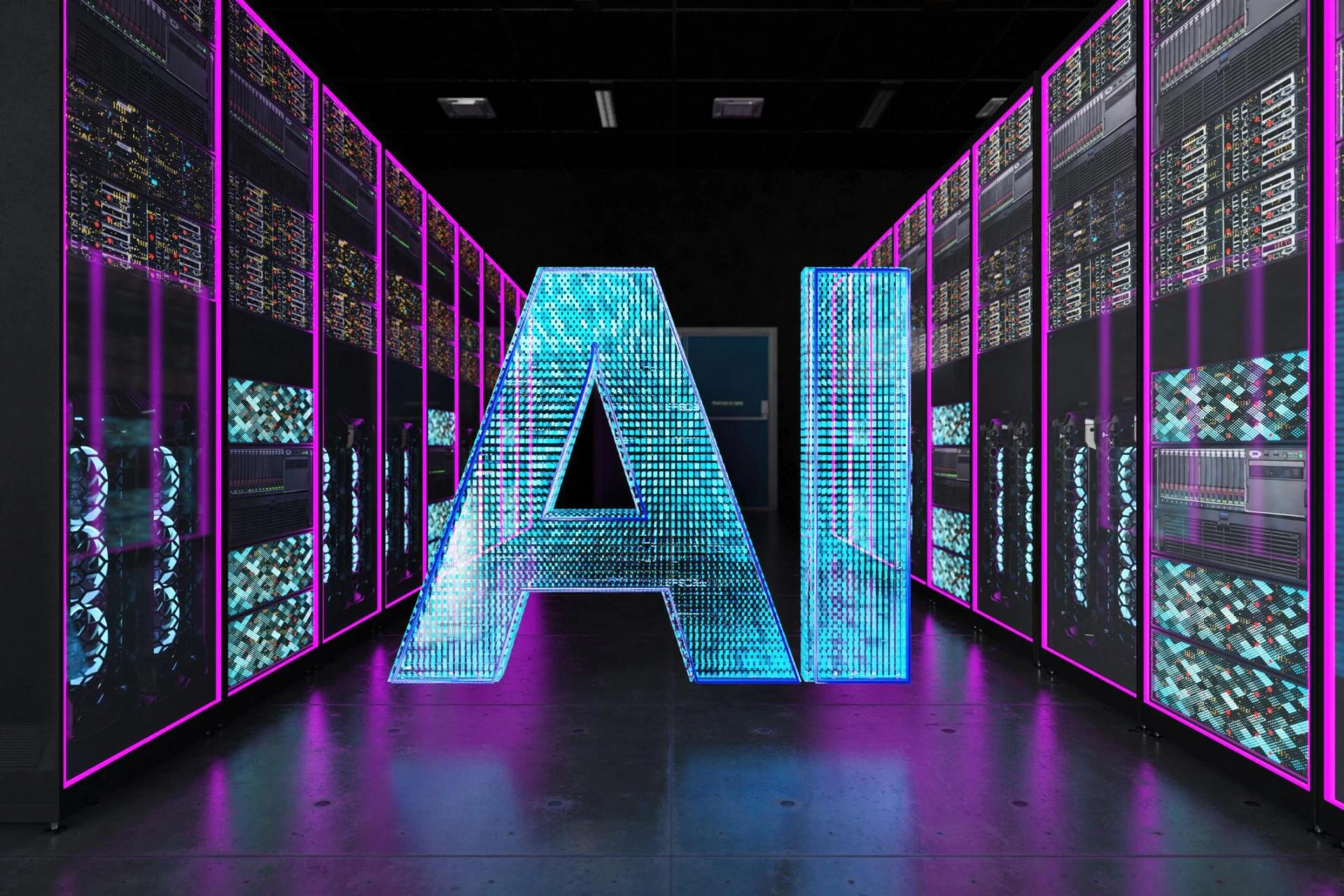
An AI-ready data center must support high-density compute racks, which generate significantly more heat than standard server configurations. This demands advanced cooling solutions — liquid cooling, rear-door heat exchangers, or precision air management systems — that most older facilities were not designed to provide.
Power delivery is equally important. AI training clusters often require predictable, uninterrupted power at densities that exceed conventional data center design thresholds. Backup systems must match primary power architecture in reliability and response time.
Connectivity matters as much as physical infrastructure. AI pipelines frequently move large volumes of data between storage systems, compute clusters, and cloud platforms. High-bandwidth internal networking — and fast external connectivity to cloud providers and enterprise wide-area networks — determines how efficiently these pipelines operate.
Finally, security and compliance frameworks must be embedded into facility design from the start. AI workloads often process sensitive data that falls under regulatory oversight, whether under India's data protection framework, sector-specific guidelines from RBI or SEBI, or global standards like ISO 27001 and SOC 2.
Sustainability: From Reporting to Procurement
The environmental dimension of data center growth in India has moved from a corporate responsibility topic to a business and procurement requirement. Large enterprises — particularly those with multinational operations or listed equity — now include data center sustainability metrics in their ESG reporting cycles.
Power usage effectiveness (PUE), renewable energy sourcing, and water consumption efficiency are becoming criteria in vendor selection decisions. Enterprises are increasingly reluctant to colocate in facilities that cannot demonstrate measurable, auditable progress on these metrics.
India presents both challenges and opportunities on this front. Power grid reliability varies significantly across states. Renewable energy procurement, while improving, remains complex in certain regions. However, newer data center developments in hub markets such as Mumbai, Chennai, Pune, and Hyderabad are incorporating solar energy sourcing, efficient UPS systems, and water-efficient cooling designs from the foundation up.
The facilities that will hold long-term enterprise relevance are those being built today with sustainability as a core design principle rather than a retrofit added after occupancy.
What Enterprises Should Plan For
The Indian data center landscape will look meaningfully different within five years. Consolidation among smaller providers is likely. Investment from global hyperscalers will continue. Regulatory requirements around data localization will grow more specific and more enforceable.
For enterprise IT and infrastructure teams, the priorities are clear. Evaluate colocation partners not just on current capacity but on their roadmap for AI-optimized configurations and power density upgrades. Ensure that network connectivity between data centers and cloud platforms is built on resilient, well-managed infrastructure. Factor sustainability credentials into procurement decisions now, before reporting requirements make it mandatory.
Conclusion
India's data center market is at a genuine inflection point. The combination of AI adoption, enterprise growth, and sustainability pressure is driving a fundamental upgrade in how facilities are designed, operated, and evaluated. For enterprises making infrastructure decisions today, the choices made around data center partnerships will directly affect their ability to scale AI initiatives, meet compliance requirements, and demonstrate environmental accountability over the next decade. The market is moving quickly, and organizations that align their infrastructure strategy with these emerging realities will be substantially better positioned for what comes next.
Frequently Asked Questions
What is driving data center growth in India?
The primary drivers include rapid expansion of cloud adoption among enterprises, growth of digital payments and e-commerce platforms, increasing AI workload deployments, and government policies around data localization. These factors have collectively created strong, sustained demand for modern, high-density data center capacity across major Indian metro markets.
What makes a data center AI-ready?
An AI-ready data center supports high-density compute racks with advanced cooling, delivers reliable high-capacity power, provides high-bandwidth internal and external connectivity, and embeds security and compliance controls into its operational design. These capabilities allow AI training and inference workloads to run efficiently, reliably, and securely.
How is sustainability changing data center procurement in India? Enterprises are evaluating data center providers on energy efficiency metrics, renewable energy sourcing, and water consumption performance. As ESG reporting requirements expand, sustainability has become a standard part of vendor selection — particularly for enterprises with multinational operations, investor reporting obligations, or public-facing environmental commitments.