
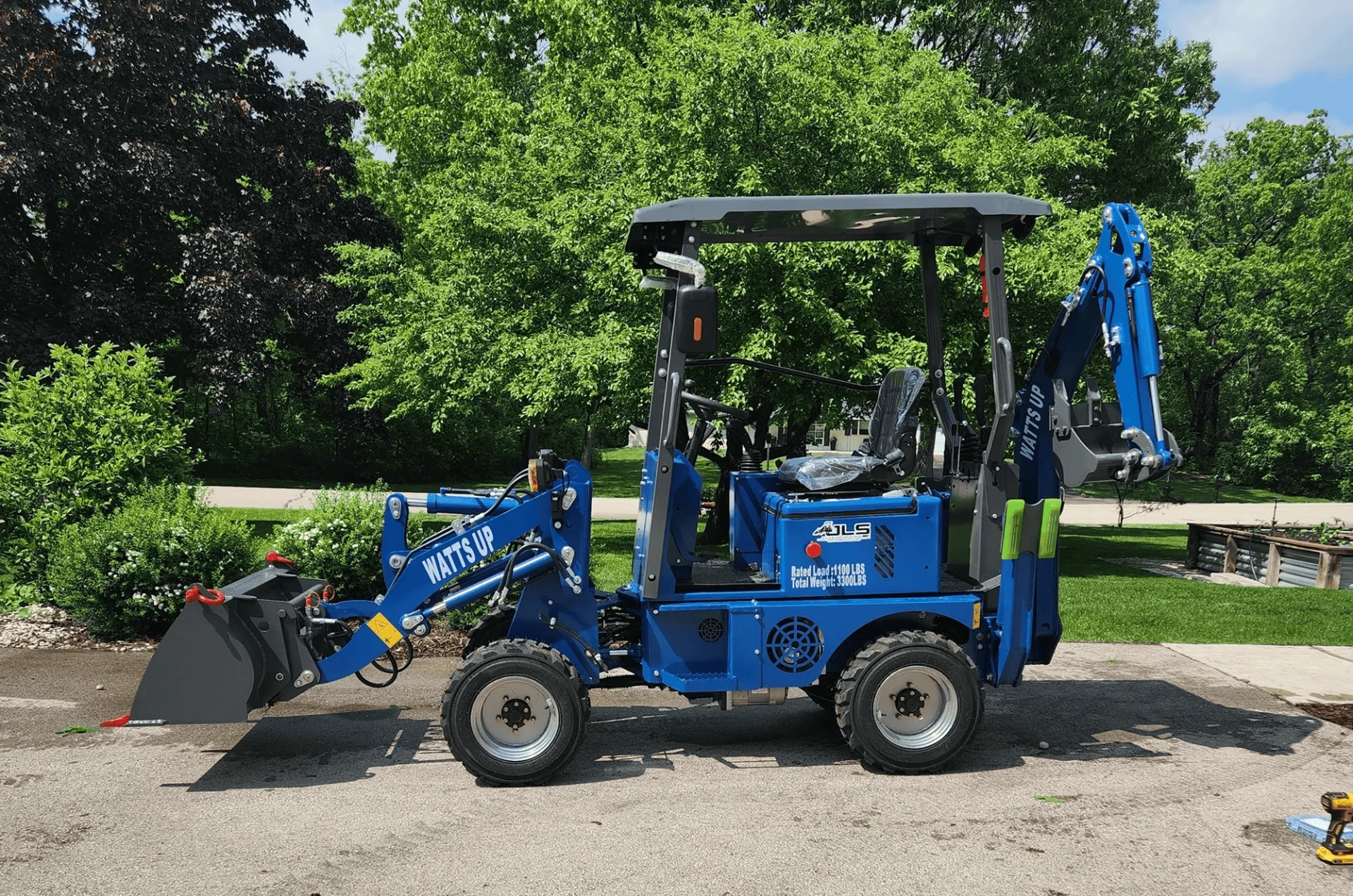
Fuel prices rarely stay still, and for construction companies, that unpredictability can feel like building on shifting sand. Every hour a machine runs, it consumes not only fuel but also a portion of the project’s profit margin. Among the most relied-upon pieces of heavy equipment on any site is the construction backhoe machine, a versatile workhorse responsible for digging trenches, loading materials, backfilling, and handling a variety of tasks that keep projects moving forward.
However, when fuel efficiency is not carefully managed, a construction backhoe machine can quietly become one of the largest operating expenses on site. In large-scale infrastructure projects or even mid-sized commercial developments, small inefficiencies compound over time. A few extra liters per hour may not seem alarming, but over weeks and months, that excess fuel burn can significantly impact budgets.
Fuel efficiency is no longer just a matter of cutting costs. It directly affects equipment longevity, environmental responsibility, and overall project productivity. In today’s competitive construction environment, companies that manage fuel wisely are not just saving money; they are strengthening their operational foundation. The following comprehensive guide explores practical, professional, and actionable fuel efficiency tips for a construction backhoe machine, explained in a clear and accessible manner for contractors, site managers, and operators alike. Keep reading.
Understanding Why Fuel Efficiency Matters
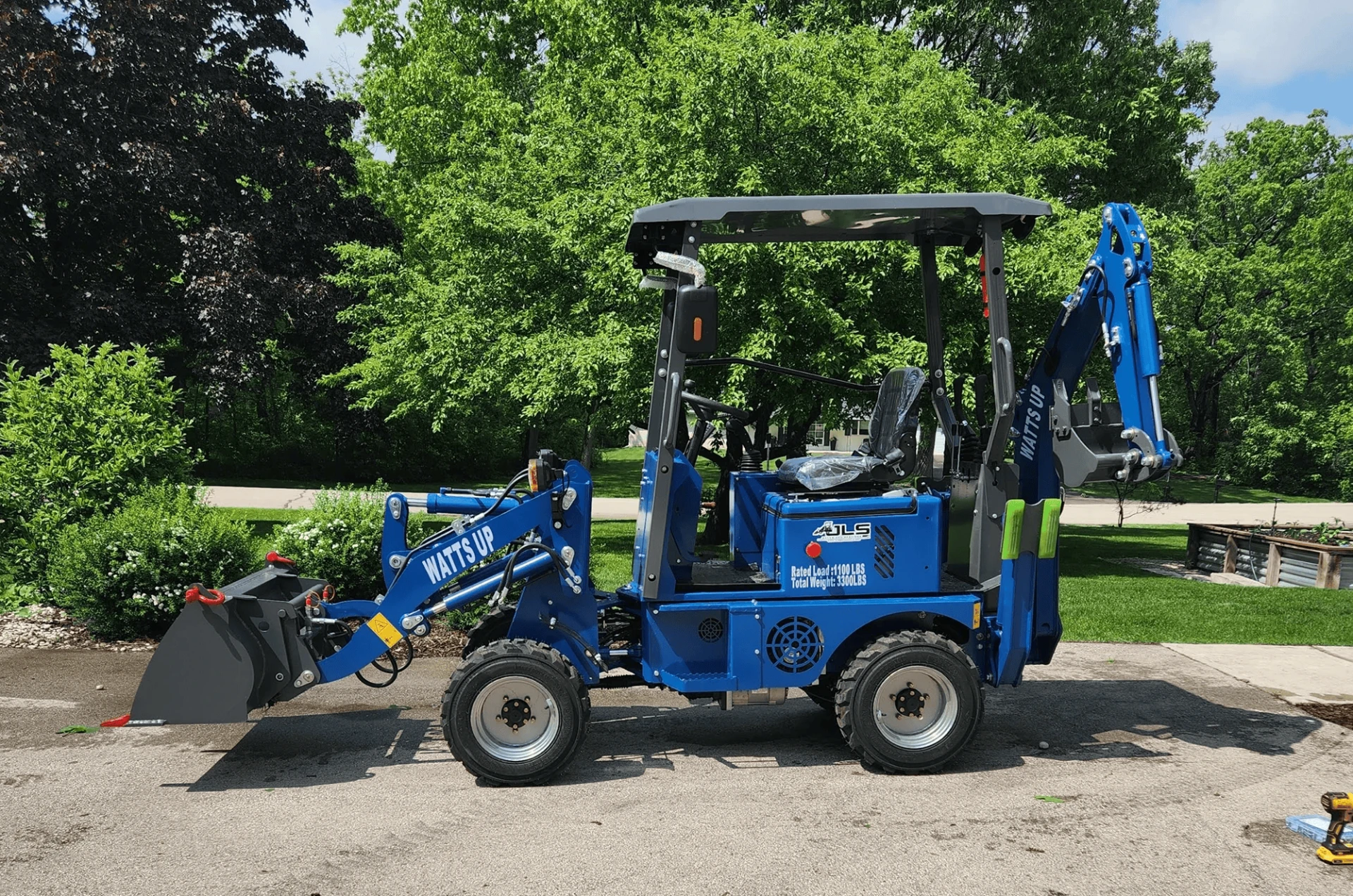
Before diving into specific strategies, it is important to understand the broader picture. A construction backhoe machine typically operates under demanding conditions, uneven terrain, heavy loads, extended working hours, and varying weather environments. These factors naturally increase fuel consumption.
When fuel efficiency is ignored:
● Operating costs rise.
● Engine wear accelerates.
● Maintenance expenses increase.
● Downtime becomes more frequent.
On the other hand, when fuel efficiency becomes a priority, the benefits ripple across the entire operation. Lower fuel costs mean healthier profit margins. Reduced engine strain means longer equipment lifespan. In short, efficient machines build efficient businesses.
Commit to Preventive Maintenance
If fuel efficiency were a building, preventive maintenance would be its foundation. A poorly maintained construction backhoe machine must work harder to perform routine tasks. That additional strain directly translates to higher fuel consumption.
Key Maintenance Areas to Monitor:
● Air Filters: Dirty air filters restrict airflow, reducing combustion efficiency. Clean air ensures proper fuel burning.
● Fuel Injectors: Clogged injectors lead to incomplete combustion and wasted fuel.
● Engine Oil: Old or contaminated oil increases friction within the engine.
● Hydraulic Systems: Leaks or inefficient hydraulics force the engine to compensate.
● Cooling Systems: Overheating engines burn fuel inefficiently.
Routine inspections and timely replacements prevent minor issues from snowballing into major inefficiencies. As the saying goes, “An ounce of prevention is worth a pound of cure.”
Reduce Unnecessary Idling
Idling may seem harmless, but it is one of the most common fuel-wasting practices on construction sites. Many operators leave the construction backhoe machine running during short pauses, believing it saves time or protects the engine. Modern engines are designed for quick startups and do not require extended warm-up periods. Idling for long periods burns fuel without producing productive output.
Over the course of a year, excessive idling can consume thousands of liters of fuel.
Encouraging operators to shut down the engine during longer breaks is a simple yet highly effective strategy. When multiplied across multiple machines, the savings become substantial.
Operate at Optimal Engine RPM
Running a construction backhoe machine at high RPM does not necessarily mean higher productivity. In many cases, it simply increases fuel burn. Most backhoe machines are engineered to provide maximum torque at moderate engine speeds.
Operators who maintain smooth throttle control and avoid aggressive acceleration can significantly reduce fuel usage. Gentle operation minimizes engine stress while maintaining consistent output. Think of it this way: driving a car at maximum throttle all the time does not make the journey shorter; it only makes it more expensive.
Utilize Eco Mode and Advanced Features
Modern construction backhoe machines often include fuel-saving technologies such as:
● Eco Mode.
● Auto-idle systems.
● Load-sensing hydraulics.
● Telematics monitoring.
Eco Mode automatically adjusts engine performance based on workload, reducing unnecessary fuel consumption during lighter tasks. Auto-idle lowers engine speed when controls are inactive. These features are built-in efficiency tools, yet many operators overlook them. Leveraging these smart technologies ensures the machine runs only as hard as necessary, no more, no less.
Avoid Overloading and Improper Operation
Overloading a construction backhoe machine increases strain on both the engine and hydraulic system. The result? Higher fuel consumption and accelerated wear. Instead of attempting to move excessive material in a single pass, operators should adhere to manufacturer-recommended load limits. Multiple balanced loads are often more fuel-efficient than one overloaded attempt. Additionally, proper digging techniques matter. Correct bucket positioning and digging angles reduce resistance and engine strain. Efficiency lies in precision.
Plan Job Site Layout Strategically
Fuel efficiency begins even before the engine starts. Poor job site planning can lead to unnecessary machine movement, repeated repositioning, and longer travel distances.
Smart planning includes:
● Positioning materials close to excavation areas.
● Minimizing travel routes.
● Sequencing tasks logically.
● Reducing redundant movements.
When the construction backhoe machine operates within a well-organized environment, it completes tasks faster and with fewer fuel-intensive actions. In construction, planning ahead often separates efficient projects from costly ones.
Maintain Proper Tire Pressure
Tires play a crucial role in fuel efficiency. Underinflated tires increase rolling resistance, forcing the engine to work harder during movement. Routine tire pressure checks ensure optimal performance. Even slight deviations from recommended pressure levels can affect fuel consumption over time. Maintaining correct tire pressure improves mobility, reduces wear, and enhances overall efficiency.
Train Operators for Fuel-Conscious Performance
The human factor cannot be overlooked. Even the most advanced construction backhoe machine will waste fuel if operated inefficiently.
Professional operator training should focus on:
● Smooth throttle application.
● Efficient digging techniques.
● Load management.
● Proper engine shutdown practices.
● Awareness of fuel-saving features.
Experienced operators understand that small adjustments in daily habits can yield significant long-term savings. Skilled operation is the silent engine behind fuel efficiency.
Monitor Fuel Consumption Data
Modern telematics systems provide valuable insights into machine performance. Tracking metrics such as fuel burn per hour, idle time, and workload distribution enables informed decision-making. By analyzing this data, managers can identify inefficiencies, retrain operators if needed, and optimize machine usage. Data-driven management transforms fuel efficiency from guesswork into strategy.
Match the Machine to the Task
Not every job requires maximum power output. Using the full capacity of a construction backhoe machine for light-duty tasks wastes fuel unnecessarily. Evaluating workload requirements ensures that the machine operates within its most efficient range. Selecting appropriate attachments and bucket sizes also prevents engine overexertion. Efficiency is about balance, using the right amount of power for the right task.
Consider Fuel Quality and Storage
Fuel quality plays a significant role in combustion efficiency. Contaminated or low-grade fuel reduces engine performance and increases consumption. Proper storage practices, including clean tanks and moisture prevention, ensure consistent fuel quality. High-quality fuel supports optimal combustion and smoother operation.
Schedule Work to Minimize Cold Starts
Frequent cold starts can increase fuel usage and engine wear. Organizing tasks to reduce repeated shutdown and restart cycles improves efficiency. While unnecessary idling should be avoided, thoughtful scheduling ensures machines are not repeatedly started and stopped without purpose.
Conclusion
Fuel efficiency in a construction backhoe machine is not achieved through a single adjustment; it is the result of consistent attention to detail. From preventive maintenance and proper operator training to strategic job site planning and advanced technology usage, each factor plays a crucial role.
Throughout this discussion, it becomes clear that efficiency is not about limiting productivity. It is about maximizing output while minimizing waste. Reducing idling, maintaining optimal RPM, avoiding overloading, and leveraging smart features collectively transform fuel management into a competitive advantage.