When you hear “home inspection,” what comes to mind? For most people, it’s checking the roof, plumbing, or electrical systems. But a basic home inspection doesn’t always cover the hidden threats that could seriously affect your family’s health and safety. Silent hazards like mold, radon, asbestos, and lead paint often require specialized testing, and many homeowners don’t realize it until it’s too late.
In this guide, we’ll walk through why a standard home inspection may leave dangerous gaps, what those gaps are, and how to fill them.
1. What Does a Standard Home Inspection Actually Cover?
A typical home inspection focuses on:
- Roof condition
- HVAC systems
- Plumbing and water heaters
- Electrical panels and outlets
- Windows, doors, and visible structure
While these elements are important, many invisible hazards aren’t part of the checklist. Inspectors often disclose that they aren’t testing for environmental hazards unless requested.
2. Why “Visible” Problems Aren’t the Only Ones That Matter
Many of the worst risks are the ones you can’t see or smell:
- Radon gas seeps in silently from the ground.
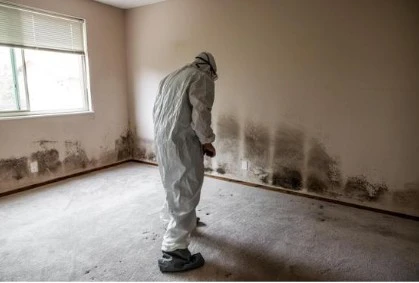
- Mold hides inside walls or under flooring.
- Asbestos fibers float invisibly in the air.
- Lead dust can settle in homes with old paint.
A general inspector might flag water stains but won’t always test for what’s growing behind them. That’s why relying only on a basic inspection can leave your family exposed.
3. Radon: The Silent Cancer Risk
Radon is one of the most overlooked dangers in American homes.
- It’s colorless, tasteless, and odorless.
- It’s the second leading cause of lung cancer.
- You’ll never know it’s there without a specialized radon test.
Many standard home inspections don’t include radon testing, so you must request it specifically.
4. Mold: More Than Just an Eyesore
While small mold spots in a bathroom might seem harmless, hidden mold is a different story:
- Mold spores cause respiratory problems in children, seniors, and those with allergies.
- It can spread behind walls or inside HVAC systems.
- Professional mold inspections go beyond surface-level checks.
A home inspector may note a musty smell but won’t take air or surface samples unless mold testing is part of their service.
5. Asbestos: The Legacy of Older Homes
If your home was built before the 1980s, asbestos might be present in:
- Insulation
- Roofing shingles
- Floor tiles
- Popcorn ceilings
A general inspection doesn’t involve disturbing or testing for asbestos. You’ll need an asbestos-specific inspection to determine if your home has it and what steps to take.
6. Lead Paint: A Hidden Health Hazard
Homes built before 1978 could contain lead paint, which:
- Poses serious health risks, especially to children and pregnant women.
- Can contaminate dust and soil, even if the paint looks intact.
Most inspectors will note older paint but won’t actually test for lead without specialized equipment or a certified lead inspector.
7. Why Air Quality Testing Matters
Indoor air quality is directly tied to hidden home hazards. Common contaminants include:
- Volatile organic compounds (VOCs) from paints and cleaners.
- Carbon monoxide from malfunctioning appliances.
- Radon and mold spores that circulate through the air.
Air quality testing often requires separate services outside a standard inspection.
8. Pest Infestations You Won’t See Right Away
General inspectors look for obvious pest signs, but some infestations are hidden:
- Termites inside walls or foundation wood.
- Rodents in attic insulation.
- Bedbugs or cockroach infestations invisible to the eye.
A pest-specific inspection or treatment plan is often needed to catch these threats early.
9. The Importance of Choosing the Right Inspector
Not all inspectors offer the same services. When hiring one, ask:
- Do you include radon or mold testing?
- Are you certified for lead or asbestos inspections?
- Do you provide air quality reports?
Hiring a comprehensive inspection team may cost more upfront, but it can save thousands in hidden repairs—and protect your family’s health.
10. How Much Do These Additional Inspections Cost?
Prices vary, but here’s a general idea:
- Radon testing: $150–$300
- Mold inspection: $300–$600
- Asbestos inspection: $400–$800
- Lead paint testing: $200–$400
- Full air quality testing: $300–$700
While these are add-ons, they’re investments in long-term peace of mind.
11. Home Buyers: Don’t Skip These Extra Steps
If you’re buying a home, especially one older than 20 years, basic inspections might not reveal:
- Mold behind new drywall.
- Radon from cracked foundations.
- Asbestos hidden under new flooring.
It’s always smart to request these specialty tests as part of your buying process—even if they’re not required by your lender or agent.
12. Existing Homeowners: Why You Should Still Check
Even if you’re not buying or selling, things like radon levels can change over time. Foundation shifts or new HVAC systems can affect air quality and environmental risks.
Every few years, consider re-testing for:
- Radon
- Mold
- Air quality changes
Conclusion: Don’t Let a Basic Home Inspection Give You False Confidence
A standard home inspection is a great starting point, but it doesn’t cover everything that matters for your health and safety.
From radon and mold to asbestos and lead paint, these silent dangers require specialized attention. Investing in additional testing might seem like an extra step, but it’s one that can save you from costly repairs—or worse, health issues down the road.
If you're scheduling a home inspection soon, ask upfront about these additional services. Companies like Cedar Rapids Radon Pros specialize in identifying these hidden threats. Protect your loved ones by going beyond the basics—because peace of mind is worth it.