
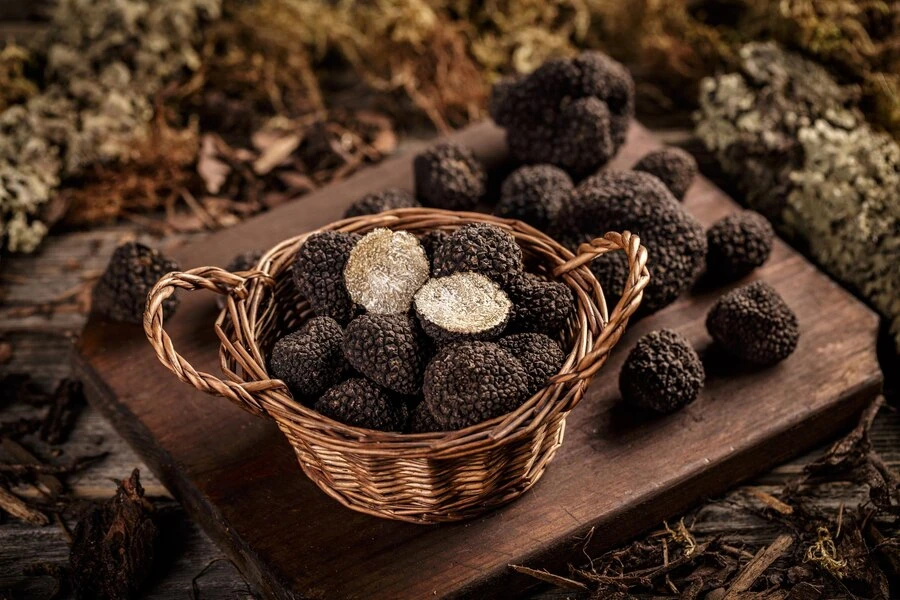
Often referred to as the "diamond of the kitchen," cakes are an extraordinary and surprisingly sought-after delicacy that has enthralled foodies for millennia. Their subculture is tough and their discovery is a treasure quest given that these subsurface fungi flourish in symbiotic interactions with a few tree roots. Truffle, which graces tables of fine eating places around, has come to symbolize wealth. From forest to plate, the path is an exciting mix of culinary talent, expertise, and custom. Along with truffle, gourmet foods like jumbo couscous have become friends in food stressing rich, earthy tastes.
The Mysterious World of Truffle Hunting
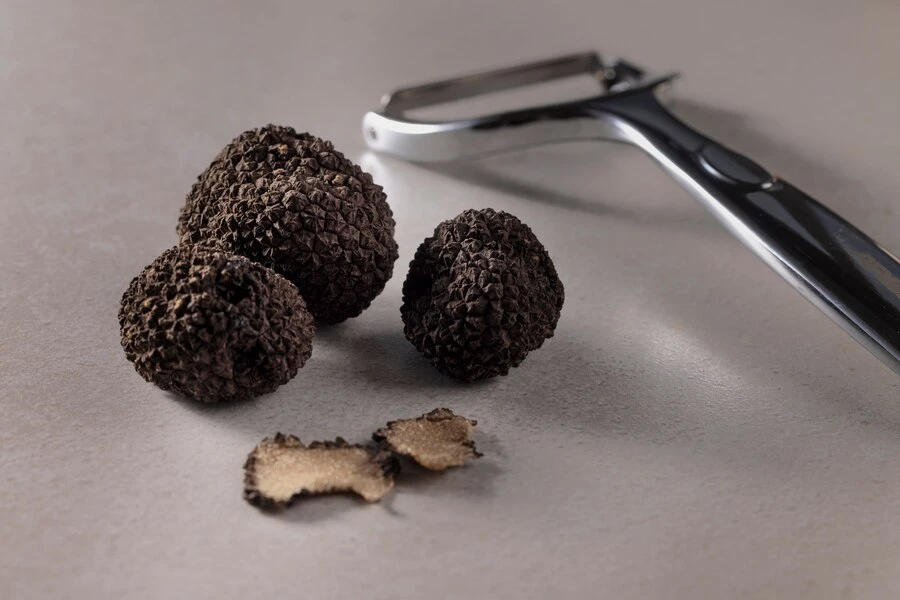
A historic interest requiring persistence, understanding, and a sturdy reference to nature is truffle-looking. Truffle stay underneath the ground and depend on specially skilled animals to locate them like mushrooms growing above the ground. Pigs had been formerly the ideal truffle hunters because of their strong experience of odour, however, they sometimes destroyed the delicate fungus looking to devour them. Dogs are now greater regularly selected because they may be taught to discover truffles without ingesting them.
Usually in the early morning, whilst the fungus fragrance is most powerful, truffle hunting is done. Driven by their dogs, hunters seek among forests for mature truffles ready for use. The hunter gently diggers the truffle by hand to save you damage the minute a dog flags a discovery. One of the maximum pricey elements within the international, truffle is uncommon and precise, subsequently, this painstaking technique emphasizes this.
The Science Behind Truffle Growth
The conventional definition of truffle isn't observed in cultivation. Rather, it coexists with tree roots—especially the ones of oak, hazelnut, and beech timber. This symbiotic dating enables the tree to increase in return and shall we truffle take in necessary nutrients. Truffle improvement requires special meteorological conditions, nicely-tired, alkaline soil, and mycorrhizal fungus amongst other specific standards.
Large-scale truffle farming remains erratic even with present-day research. While some truffle farms have found success in injecting truffle spores onto tree roots, herbal truffle woods nevertheless provide the maximum sought-after variances. The erratic person of truffle output provides their attraction; each exact harvest celebrates the hidden riches of nature.
The Different Types of Truffle
There are numerous forms of Truffle, each with a unique flavour sensation and cooking uses. Among the most well-known varieties are black, white, summertime, and burgundy rules. Found mainly in Italy, the white truffle is the rarest and maximum aromatic with sturdy garlicky and earthy aromas. Commonly discovered in France and Spain, black truffle has a more subdued but sophisticated taste that fits lots of cuisines.
Though much less sturdy in scent, summertime truffle and burgundy truffle nonetheless have distinct flavour qualities that improve ingredients without overwhelming them. Every kind has a distinct rate; white truffle is rare and so usually commands stratospheric quantities. Whatever the form, the truffle is prized for its ability to transform even the maximum primary delicacies into a connoisseur occasion.
Truffle in Global Cuisine
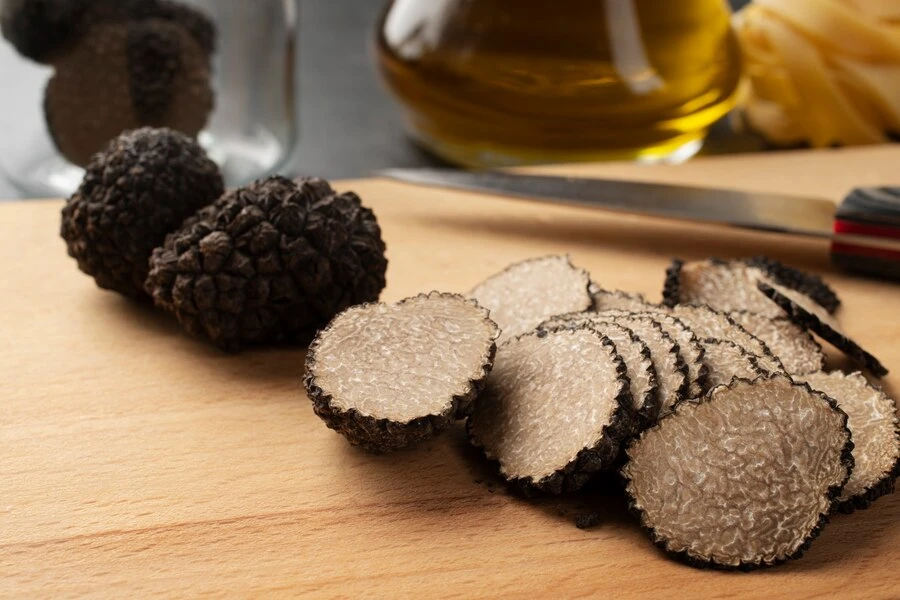
Truffle has crept into many cuisines from Italy to France, Japan to the USA. Fresh white truffle is shaved over pasta, risotto, and eggs in Italy so its diffused heady scent permeates the meal. French delicacies suggest its adaptability by using such as black truffle in sauces, pâtés, and even cakes.
Outside of Europe, truffles have become well-known in Asian delicacies, particularly in China and Japan in which cooks play with soy sauce, sushi, and even ramen enhanced with truffles. Truffle has lately become a sought-after element in gourmand burgers, fries, and handmade cheeses inside the United States. The fact that truffles can also enhance both traditional and contemporary cuisine emphasizes its well-known appeal inside the gastronomic area.
Pairing Truffle with Other Ingredients
Truffle's deep, earthy flavour accentuates the depth and complexity of a dish by melding splendidly with many elements. One such component is massive couscous, a grain prized for chewy texture and flavour absorption. Giant couscous creates an excellent foundation for truffle-infused sauces, meats, and veggies while blended with truffle.
Truffle with eggs, cheese, and butter is some other traditional mixture when you consider that those ingredients permit the aroma of the element to be revealed. Truffle mixed with creamy textures—like mashed potatoes or risotto—makes for a decadent dining experience. Though not a substitute for actual truffle, truffle oil is not an unusual replacement in home kitchens since it often offers meals a taste of truffle essence.
The Future of Truffle Farming and Sustainability
Growing demand for truffles has delivered sustainability problems to the front stage. Deforestation, soil damage, and climate exchange all threaten wild truffle forests. Researchers and farmers are consequently looking to create sustainable truffle cultivation methods that assure a regular supply without endangering herbal ecosystems.
Controlled truffle cultivation—in which timber is infected with truffle spores and intently watched through the years—is one thrilling technique. Though this approach has a few fulfilments, it's miles nonetheless a gradual and difficult process. Maintaining the fragile equilibrium of truffle ecosystems also depends critically on projects to hold modern truffle forests and control harvesting methods.
Conclusion
Still one of the most mysterious and treasured components within the culinary arts is truffle. From the cautious technique of truffle harvesting to its delicate presence in global cuisine, each element of its route illustrates a close dating between nature and cuisine. Combining truffles with meals like giant couscous accentuates its adaptability and gives limitless possibilities for gastronomic investigation. The future of truffle cultivation guarantees to be shiny as sustainability tasks expand so that the next generations may continue playing this unique delicacy.
Frequently Asked Questions
1. Why is truffle so expensive?
Because of their rarity, the trouble of cultivation, and the exertions-in-depth harvesting technique, desserts are expensive. Its amazing price is a result of reliance on trained puppies, unique environmental situations, and small developing areas.
2. What is the best way to store fresh truffle?
Fresh truffles need to be refrigerated and kept in a hermetic container either included with rice or paper towels. Consuming it inside a few days will assist in holding its flavour and fragrance.
3. Can truffle be cultivated commercially?
Although truffle farming is practised, it's far erratic and depends on specific conditions. Although a few farms successfully introduce truffle spores into tree roots, natural truffle forests nonetheless produce satisfactory-pleasant variations.
4. How is truffle used in vegetarian dishes?
Truffle can enhance vegetarian food inclusive of mashed potatoes, pasta, and risotto. Rich and delicious plant-based totally foods are created when combined nicely with eggs, cheese, and grains like huge couscous.
5. Is truffle oil a good substitute for fresh truffle?
Though it lacks the intricacy of sparkling truffles, truffle oil gives a flavour sensation. Using real truffle shavings or infused butter is a leading substitute for lots of truffle oils as a lot of them are artificially flavoured.