Planning a wedding or family celebration involves countless decisions, from selecting the décor and menu to coordinating ceremonies and entertainment. While these details help shape the occasion, the experience guests have throughout the event deserves equal consideration. After all, a celebration is shared by everyone who attends, and their comfort can influence how they remember the day.
Think about the events you have attended yourself. You may remember a beautiful ceremony, a conversation with an old friend or a meal shared with family. You may also remember how easily you reached the venue, how comfortable you felt during the event and how smoothly everything came together. These seemingly small details often shape the overall impression.
Creating a better guest experience means looking beyond the main event and considering the entire journey, from the moment guests set out to the time they return home.
Making the Journey to the Venue Convenient
The guest experience begins before anyone enters the venue. For guests travelling from different parts of a city, reaching the location can involve navigating traffic, finding parking or planning connections between public transport services. These challenges can become particularly difficult for elderly relatives, families with young children and guests unfamiliar with the area.
Hosts can make the journey easier by sharing clear directions, nearby landmarks and relevant parking information in advance. Choosing a venue with good road and rail connectivity can also reduce travel-related stress, particularly when a large number of guests are expected.
Convenience at this stage sets a positive tone for everything that follows. When guests can reach the venue without unnecessary difficulty, they arrive with more time and energy to enjoy the occasion.
Creating a Welcoming Arrival Experience
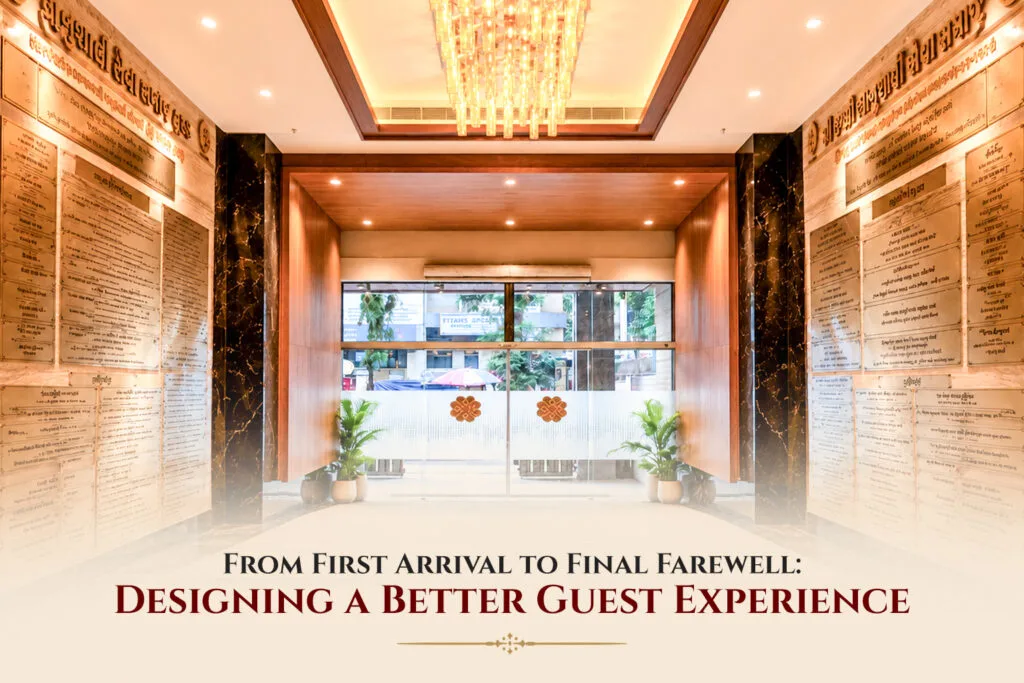
Once guests reach the venue, their attention shifts to the arrival experience. The entrance, reception area and ease of finding their way around all contribute to their first impression.
A well-maintained entrance and an inviting lobby help guests feel welcome. Clear directions and accessible facilities make it easier for them to settle in, particularly at large gatherings where people may arrive at different times. These considerations are valuable for guests attending their first event at the venue, as well as those who may need assistance moving between spaces.
A warm welcome does not depend entirely on grand decorations or elaborate arrangements. It comes from making people feel expected, comfortable and confident about where they need to go. When the arrival is handled thoughtfully, guests can turn their attention to the celebration rather than its logistics.
Maintaining Comfort Throughout the Event
Celebrations often extend over several hours, with ceremonies, photographs, performances and meals forming different parts of the schedule. A venue must support these activities while allowing guests to remain comfortable throughout.
The layout of the space, indoor temperature and ease of movement all contribute to this experience. Spacious halls can accommodate gatherings of different sizes, while suitable facilities help guests move around without unnecessary inconvenience. For older attendees and people with mobility requirements, accessible movement between floors and areas is especially important.
Private preparation spaces can also prove useful for hosts and family members who need time to get ready before a ceremony or take a short break during a busy event.
When comfort is considered from the outset, guests are better able to participate in the occasion. They can focus on the conversations, traditions and shared moments that make family celebrations meaningful.
Considering Guests’ Dietary Preferences
Food is an important part of many Indian celebrations. It brings people together, reflects family traditions and often becomes a talking point long after the event has ended. However, planning a menu requires an understanding of the people who will be attending.
Dietary preferences and requirements can vary considerably between families. For guests who follow vegetarian or Jain dietary practices, the availability of suitable food can be an important consideration when attending an event. Hosts should communicate these requirements clearly and confirm the arrangements with their chosen venue.
The dining environment matters, too. Guests should have a comfortable space to enjoy their meals without feeling rushed or uncertain about the arrangements.
Thoughtful food planning allows guests to feel considered and included. It also helps hosts create an experience that respects their family’s traditions while accommodating the people gathered to celebrate with them.
Ensuring a Natural Flow Between Activities
A celebration can involve several activities, each with its own purpose and schedule. Weddings may move from traditional rituals to photographs, receptions and dining, while engagement functions may include ceremonies, speeches and family gatherings. The transitions between these moments can influence how guests experience the event as a whole.
A realistic schedule and suitable use of the venue help keep the occasion organised. Hosts should consider how guests will move between activities, where they can gather during breaks and whether the arrangements allow enough time for each part of the programme.
Flexibility is equally important. Family events do not always follow a precise timetable, and small delays are often unavoidable. Allowing some breathing room can prevent these changes from disrupting the atmosphere.
When activities follow a natural rhythm, guests can participate without constantly wondering what comes next. The celebration feels more relaxed, giving everyone greater freedom to enjoy the occasion.
Ending the Celebration on a Positive Note
The final impression deserves as much attention as the first. After a long celebration, guests may be tired and ready to return home. Difficult parking arrangements, unclear exits or confusion about transport can take away from an otherwise enjoyable experience.
Hosts can help by sharing departure information where necessary and ensuring guests know how to reach their vehicles or nearby transport options. At larger events, practical arrangements for managing the movement of guests can also make the departure more comfortable.
A thoughtful farewell brings the experience to a natural close. It need not involve elaborate gestures. A warm goodbye and a straightforward journey home can be enough to leave guests with a lasting positive impression.
Choosing a Venue That Supports the Guest Experience
Every stage of the guest journey is influenced, in some way, by the venue. Its location, capacity, facilities and layout can determine how easily people arrive, how comfortably they spend their time and how smoothly the event unfolds.
Bhanushali Banquets offers three venues across Ghatkopar, Nerul and Airoli, each designed to accommodate celebrations of different scales. Ghatkopar has three banquet halls with a combined capacity of up to 4,000 guests, while Nerul accommodates 1,200–1,500 guests across two halls and Airoli accommodates 1,000–1,200 guests across two halls.
All three venues offer centrally air-conditioned halls, entrance lobbies, green rooms and pure vegetarian and Jain cuisine. Ghatkopar provides valet and basement parking, while Nerul and Airoli feature hi-tech elevators, valet parking and non-alcoholic beverages. Their respective road and rail connections also give families different options when considering accessibility for their guests.
Planning a wedding, engagement or family celebration? Visit Bhanushali Banquets to explore its Ghatkopar, Nerul and Airoli venues and find a setting that suits your occasion.