
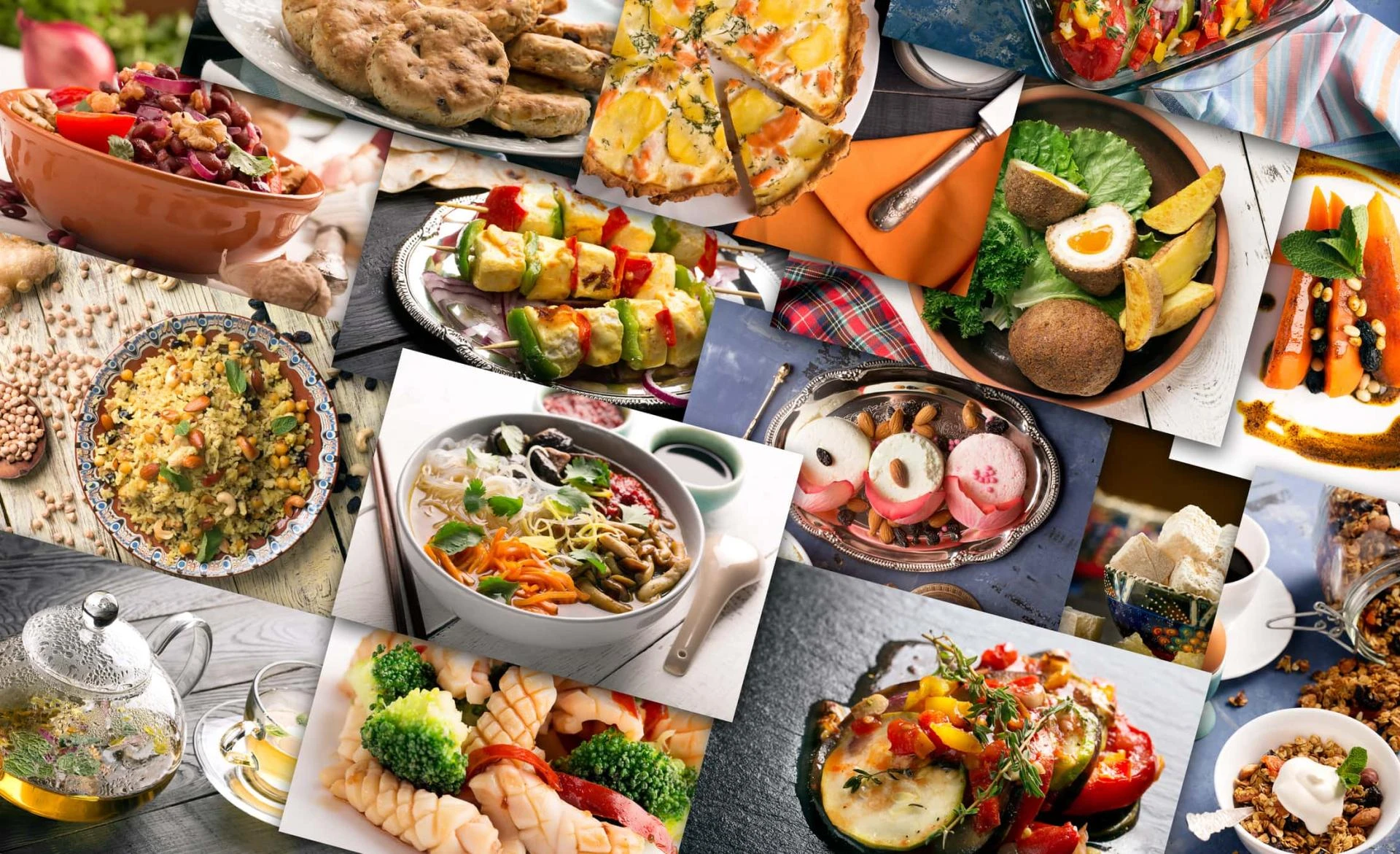
Food serves as the universal language that connects cultures, emotions, and experiences across every corner of human existence. Yet the manner in which we consume our meals varies dramatically, creating a rich tapestry of dining experiences that reflect our moods, relationships, and life circumstances. From the hurried breakfast consumed while rushing to work to the elaborate multi-course celebration that marks life's most significant moments, each dining style carries its own rhythm, purpose, and cultural significance.
The evolution of dining styles represents far more than mere changes in eating habits. It reflects our relationship with time, our social structures, and our understanding of food as both sustenance and experience. In our contemporary world, where the pace of life continues to accelerate while our desire for meaningful connections grows stronger, the choices we make about how, when, and where we dine become increasingly important expressions of our values and priorities.
Understanding the spectrum of dining styles allows us to appreciate the full range of experiences that food can provide. Each approach to dining offers unique benefits and serves different needs, creating a comprehensive ecosystem of culinary experiences that can enhance our daily lives and mark our most treasured occasions.
Moments Between the Rush
The art of quick dining has evolved far beyond the simple grab-and-go mentality that once dominated our understanding of fast food. Today's casual dining landscape encompasses a sophisticated array of options that prioritize efficiency without sacrificing quality or satisfaction. This transformation reflects a growing recognition that speed and excellence need not be mutually exclusive, particularly when diners seek convenient options that still honor their desire for authentic flavors and fresh ingredients.
Modern casual dining experiences often draw inspiration from traditional culinary techniques while adapting them to contemporary lifestyles. The influence of authentic regional cuisines can be found throughout this dining style, with establishments drawing from time-honored recipes and preparation methods that little italy san diego restaurants and similar venues have perfected over generations. This blend of traditional authenticity with modern convenience creates dining experiences that satisfy both practical needs and culinary desires.
The casual dining environment prioritizes accessibility and comfort, creating spaces where diners can enjoy quality food without the formality or time investment required by more elaborate dining styles. These venues often feature open kitchens, communal seating arrangements, and interactive ordering systems that engage customers in the dining process while maintaining the efficiency that busy lifestyles demand.
Counter service and self-ordering systems have transformed the casual dining experience, allowing customers to customize their meals while maintaining control over timing and portion sizes. This approach empowers diners to create personalized experiences that align with their specific preferences and dietary requirements, while still benefiting from professional preparation and quality ingredients.
The success of casual dining lies in its ability to deliver consistent quality across a wide range of menu options. Chefs working in this environment must master techniques that allow for rapid preparation without compromising flavor development or nutritional value. This requires careful menu design, efficient kitchen systems, and staff training that ensures every meal meets high standards regardless of the speed of service.
Architecture of Atmosphere
The physical environment in which we dine profoundly influences our perception of the meal itself. Thoughtful design creates an atmosphere that enhances flavors, encourages conversation, and transforms the simple act of eating into a memorable experience. This understanding has led to increasingly sophisticated approaches to restaurant design, where every element from lighting and acoustics to furniture selection and spatial layout contributes to the overall dining experience.
Contemporary dining spaces often blur traditional boundaries between indoor and outdoor environments, incorporating natural elements that create a sense of connection with the broader world. Living walls, water features, and carefully curated plant arrangements bring organic textures and sounds into dining spaces, creating environments that feel both sophisticated and grounding. These design choices reflect a growing appreciation for the relationship between our physical surroundings and our enjoyment of food.
The manipulation of lighting throughout different times of day creates dynamic environments that can accommodate various dining styles within the same physical space. Bright, energizing light during lunch hours transforms into warm, intimate illumination for evening meals. This flexibility allows establishments to serve multiple purposes while maintaining distinct atmospheric characteristics that support different types of dining experiences.
Sound design has emerged as a critical component of dining atmosphere, with acoustic engineers working alongside interior designers to create environments that facilitate conversation without becoming overwhelming. The careful balance of ambient sound, music selection, and architectural elements that absorb or reflect sound waves contributes significantly to diners' comfort and enjoyment.
Color palettes and material selections in dining spaces increasingly reflect seasonal changes and regional influences, creating environments that feel connected to their geographic and cultural contexts. This attention to local character helps distinguish individual establishments while creating spaces that feel authentic and rooted in their communities.
 Rhythms of Social Connection
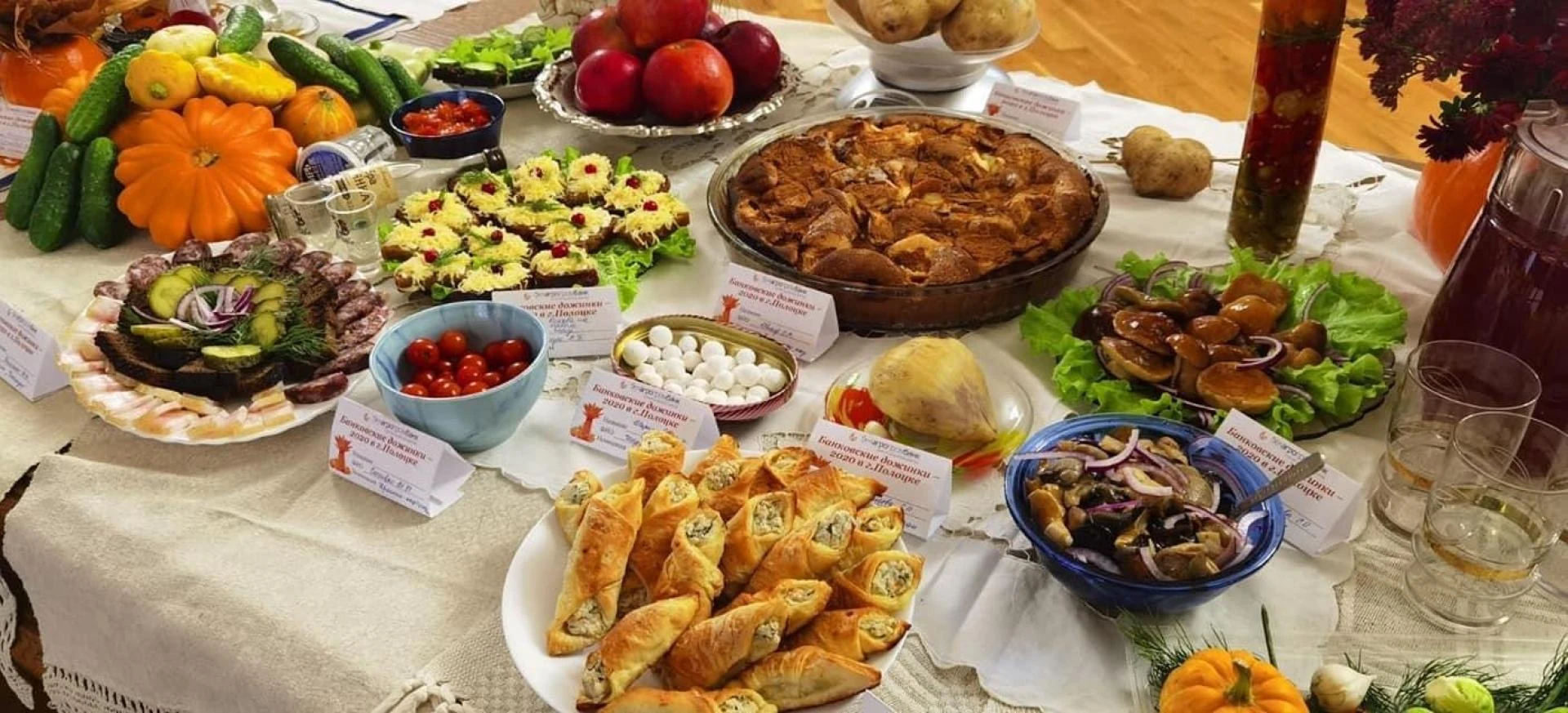
Group dining experiences create opportunities for social bonding that extend far beyond the simple sharing of food. The dynamics of communal dining involve complex interactions between menu selection, conversation flow, and the collective experience of discovering new flavors together. These shared meals often become the foundation for lasting relationships and treasured memories.
The structure of group dining naturally encourages exploration and variety, as diners often order different dishes with the intention of sharing tastes and comparing experiences. This collaborative approach to menu selection expands individual palates while creating opportunities for discussion and discovery. The act of passing plates, sharing portions, and discussing flavors becomes an integral part of the dining experience itself.
Family-style dining traditions, adapted from various cultural backgrounds, have gained popularity as people seek dining experiences that foster connection and conversation. Large format dishes designed for sharing create natural gathering points around the table, encouraging diners to engage with both the food and each other in ways that individual plating cannot achieve.
The timing and pacing of group meals requires careful orchestration to ensure that all diners remain engaged throughout the experience. Successful group dining venues understand the importance of coordinating food delivery, managing table turnover, and creating environments that support extended conversations without feeling rushed or abandoned.
Wine and beverage pairings take on added significance in group dining settings, where the selection of drinks becomes a shared decision that influences the entire table's experience. Knowledgeable service staff can guide groups through pairing options that complement both the food and the social dynamics of the gathering.
Artistry in Presentation
Fine dining represents the pinnacle of culinary artistry, where every element of the meal is carefully considered and precisely executed. This dining style transforms food from simple sustenance into a form of artistic expression that engages all the senses. The techniques, ingredients, and presentation methods employed in fine dining often influence broader culinary trends and establish new standards for excellence throughout the industry.
The preparation methods used in fine dining frequently involve complex techniques that require extensive training and experience to master. Chefs working at this level must understand not only traditional cooking methods but also modern innovations in food science and technology. This combination of classical knowledge and contemporary technique allows for the creation of dishes that surprise and delight while maintaining respect for fundamental culinary principles.
Ingredient sourcing for fine dining operations often involves direct relationships with specialty producers, ensuring access to the highest quality products available. These partnerships allow chefs to work with ingredients at their peak quality while supporting artisanal producers who share their commitment to excellence. The seasonal nature of many premium ingredients requires menu flexibility and creative adaptation throughout the year.
Service in fine dining establishments requires extensive training and attention to detail that transforms servers into knowledgeable guides who can enhance the dining experience through their expertise. The ability to describe preparation methods, suggest pairings, and anticipate guest needs becomes an essential component of the overall experience.
The presentation of fine dining dishes involves careful consideration of visual composition, temperature management, and timing that ensures each course arrives at the table in perfect condition. This level of precision requires coordination between kitchen and service staff that can only be achieved through extensive practice and shared commitment to excellence.
Ceremonial Gatherings
Celebratory dining experiences mark life's most significant moments with elaborate meals that create lasting memories for all participants. These occasions demand careful planning, specialized menus, and service approaches that can accommodate large groups while maintaining attention to individual preferences and dietary requirements. The success of celebratory dining depends on the seamless coordination of multiple elements that work together to create an experience worthy of the occasion being celebrated.
Menu planning for celebrations often involves balancing traditional expectations with contemporary preferences, creating meals that honor cultural heritage while appealing to diverse palates. This requires understanding the symbolic significance of certain dishes while remaining flexible enough to accommodate various dietary restrictions and preferences within the celebrating group.
The logistics of serving large groups for celebrations present unique challenges that require specialized equipment, staff training, and service systems. Successful celebration venues develop streamlined processes that ensure consistent quality and timing across multiple courses served to large numbers of guests simultaneously.
Photography and documentation have become increasingly important aspects of celebratory dining, with venues adapting their presentation styles and environments to create shareable moments that extend the celebration beyond the immediate dining experience. This consideration influences everything from plating techniques to lighting design.
Embracing the Spectrum
The diversity of dining styles available today reflects our complex relationship with food and our ever-evolving social needs. Each approach to dining serves specific purposes and provides unique benefits, creating a comprehensive ecosystem of culinary experiences that can enhance our daily lives and commemorate our most important moments. Understanding and appreciating this spectrum allows us to make informed choices about how we want to experience food in different circumstances.
The boundaries between different dining styles continue to blur as innovative establishments combine elements from various approaches to create hybrid experiences that serve multiple needs. This evolution reflects our desire for flexibility and authenticity in our dining choices, as well as our appreciation for the craftsmanship and creativity that define exceptional food experiences.
Whether we seek the efficiency of casual dining, the intimacy of atmospheric venues, the connection of shared meals, the artistry of fine dining, or the grandeur of celebratory feasts, each dining style contributes to our understanding of food as both necessity and pleasure. The choices we make about how to dine reflect our values, relationships, and aspirations, making every meal an opportunity to enhance our lives through mindful engagement with the rich traditions and innovations that define contemporary culinary culture.