Dance has long served as a universal language—one that speaks across borders, cultures, and generations. In India, this language is deeply rooted in classical traditions like Bharatanatyam, Odissi, and Kathak. Meanwhile, Western dance styles such as Hip-Hop, Contemporary, and Jazz have captured global audiences with their raw energy and dynamic expression. In recent years, a beautiful transformation has begun to emerge—one that celebrates the fusion of Indian grace and Western groove. This trend is especially visible in wedding choreography, where storytelling, emotion, and entertainment come together in a vibrant showcase of cultures. This article explores the captivating blend of Indian and Western dance styles and how companies like The Marun Choreography are bringing this vision to life on wedding stages across India.
The Roots: Bharatanatyam and Indian Classical Grace
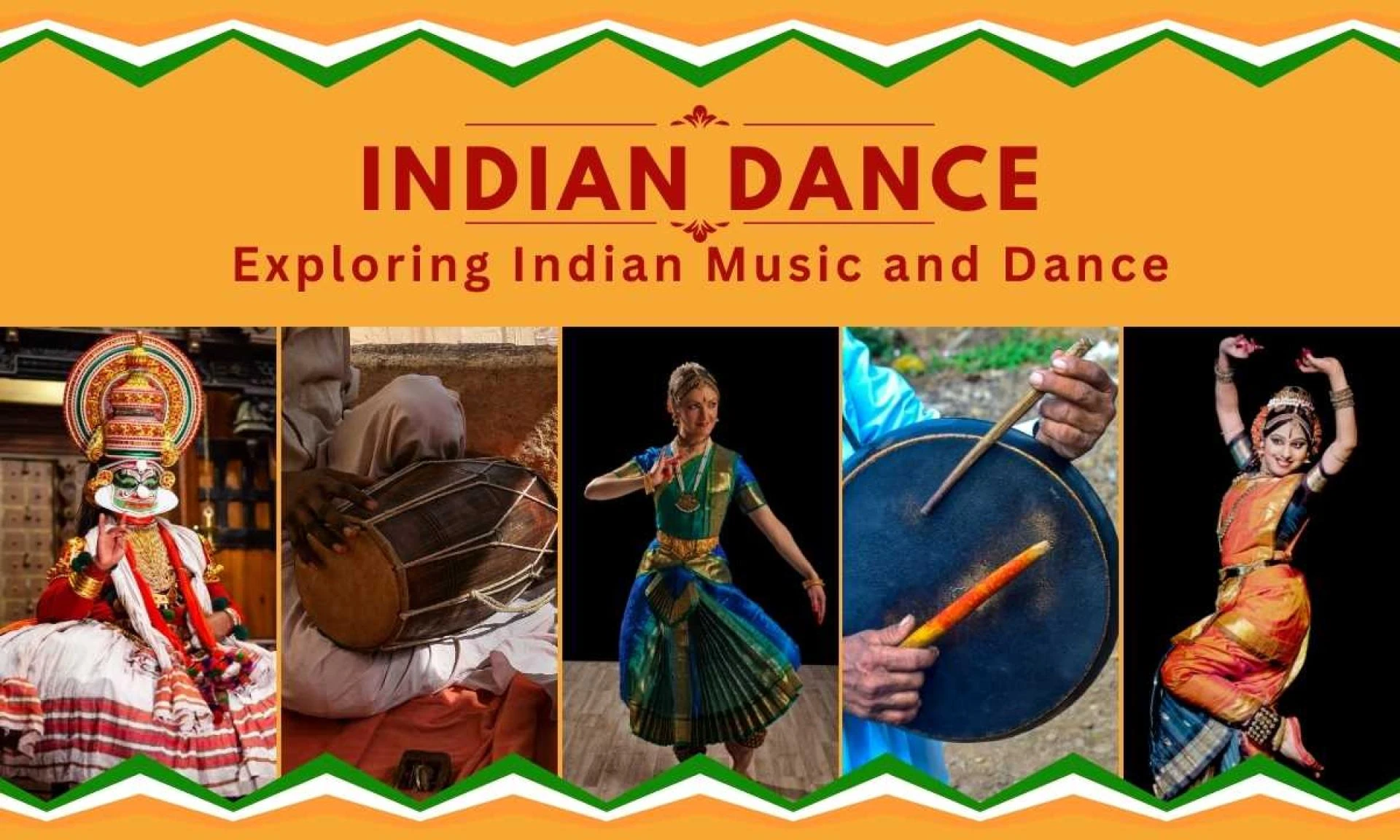
Indian classical dance forms are steeped in history, symbolism, and discipline. It is not just a dance but a spiritual experience, narrating ancient tales of gods and goddesses through every movement.
In weddings, these classical styles often form the backbone of traditional ceremonies. From elegant solo performances during sangeet functions to subtle movements that depict love stories during receptions, the influence of classical dance brings authenticity, emotion, and depth to any event.
The Influence of Western Dance: Energy and Innovation
Enter Hip-Hop, Contemporary, Jazz, and Urban Freestyle—styles that break boundaries and embrace individuality. These Western forms are known for their explosive moves, creative footwork, and powerful stage presence. With the rise of global pop culture and music videos, Western dance has become a staple among younger generations.
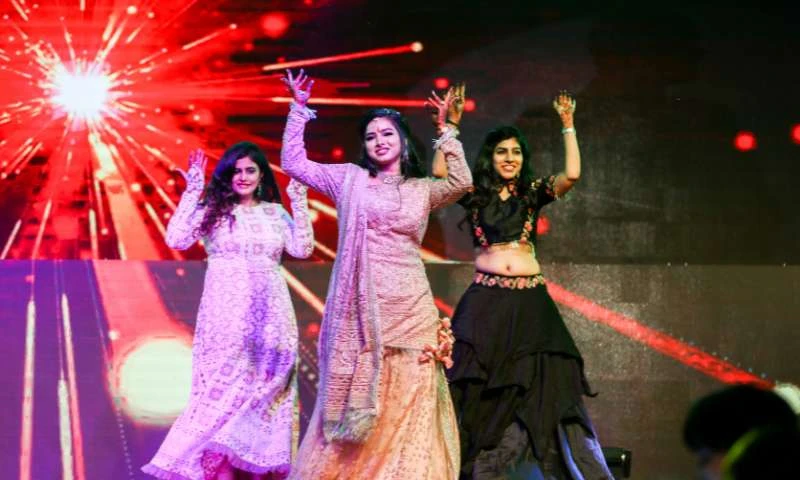
At weddings, Western dance styles are often used to energize the crowd. Groomsmen breaking into synchronized Hip-Hop routines or bridesmaids performing Contemporary numbers to surprise the guests has become a new-age celebration trend. These performances are entertaining, fresh, and perfect for expressing modern love stories.
Fusion is the Future: When Cultures Collide on Stage
The real magic happens when these two worlds collide. Imagine a bride entering the stage with Bharatanatyam poses set to a remixed Bollywood track, followed by a switch to fluid Contemporary movements. Or a family dance that begins with a Garba circle and transitions into a Hip-Hop breakdown.
Fusion choreography is not about replacing one style with another—it’s about honoring the roots while embracing change. This blend respects tradition while allowing space for modern expression.
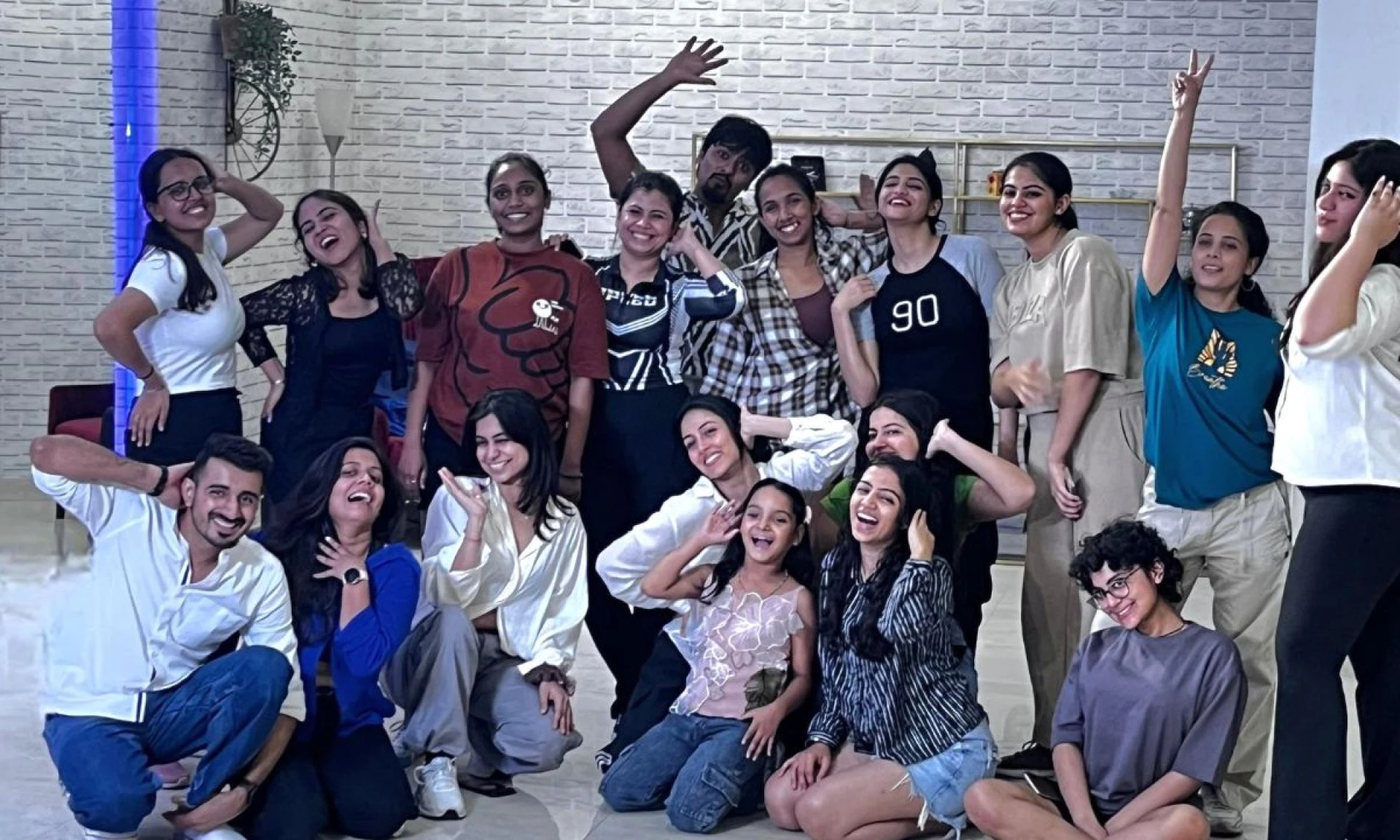
At The Marun Choreography, based in Delhi, this philosophy is woven into every performance. The team specializes in creating custom choreography that reflects the personalities, stories, and cultural backgrounds of the couples and their families. Whether it’s combining a Carnatic beat with a Beyoncé anthem or transitioning from a Kathak spin into a Jazz leap, fusion is their forte.
Why Fusion Works So Well in Weddings
Personalization
Every couple is unique. Fusion choreography allows them to showcase their individual tastes while involving their cultural roots. It turns their first dance or family performance into a reflection of who they truly are.
Entertaining for Diverse Audiences
Indian weddings often involve guests from all over the world. A blend of Indian and Western styles ensures that the performances are relatable and enjoyable for everyone—from grandparents to international friends.
Creative Freedom
Fusion allows choreographers to break free from strict rules and innovate. From visual storytelling to rhythm play, the possibilities are endless.
Cross-Generational Participation
While the older generation may feel comfortable with classical steps or Bollywood moves, the younger lot might want something more upbeat. Fusion acts as a bridge—bringing everyone onto the dance floor.
Examples of Popular Fusion Combinations in Indian Weddings
Bharatanatyam + Contemporary: A poetic mix of mudras and lyrical flow, perfect for romantic solos.
Kathak + Jazz: Rhythmic footwork combined with stage theatrics—great for mother-daughter duets.
Bollywood + Hip-Hop: High-energy and crowd-pleasing; often used for group performances.
Garba + Freestyle: From dandiya circles to freestyle floor moves, it’s a hit during mehendi nights.
Challenges in Fusion Choreography—and How Experts Solve Them
Creating seamless fusion pieces requires more than just picking two styles and mixing them. It demands:
Deep Knowledge of Both Forms
Understanding the grammar of each style ensures that transitions feel natural and respectful.
Music Editing Mastery
The music must flow smoothly—from a classical taal to a hip-hop beat—without jarring the audience.
Performance Structuring
Pacing, energy levels, and stage coverage are planned meticulously to keep the audience engaged.
This is why working with seasoned professionals like The Marun Choreography is crucial. Their Delhi-based team brings both cultural sensitivity and modern flair, ensuring your wedding stage becomes a cinematic experience without losing emotional depth.
Conclusion: A Dance of Unity and Expression
The beauty of blending Indian and Western dance styles lies not just in the spectacle—it lies in the symbolism. It’s about unity, adaptation, and celebration. Whether you’re a couple from different cultures, a family embracing tradition and trend, or simply a lover of dance, fusion choreography allows your wedding story to be told with rhythm, color, and soul.
In today’s weddings, where every performance is a memory captured on camera, fusion is more than a trend—it’s a statement. And as artists and audiences alike continue to embrace this blend, the stage is set for a future where every dance tells a truly global story.
Want to explore how fusion choreography can transform your special day? Let your wedding dance speak volumes with the expertise of The Marun Choreography in Delhi.