A fresh hair color can change more than your appearance. It can help you feel confident, stylish, and ready for a new season. Whether you want a soft glow around your face or a bold change that turns heads, the right hair color can make a big difference. One popular choice is balayage, a coloring method that creates soft, natural-looking highlights. Finding the best balayage NYC has to offer can help you explore styles that match your personality and give your hair a fresh, beautiful look.
In a city full of fashion trends and creative styles, finding the right hair color can feel exciting. However, choosing a shade that matches your skin tone, hair type, and daily routine is just as important as following the latest trend. The goal is to find a look that feels beautiful and suits your personality.
If you are thinking about refreshing your style, this guide will help you understand balayage, explore its benefits, and learn how to prepare for your next salon visit.
1. What Makes Balayage So Special?
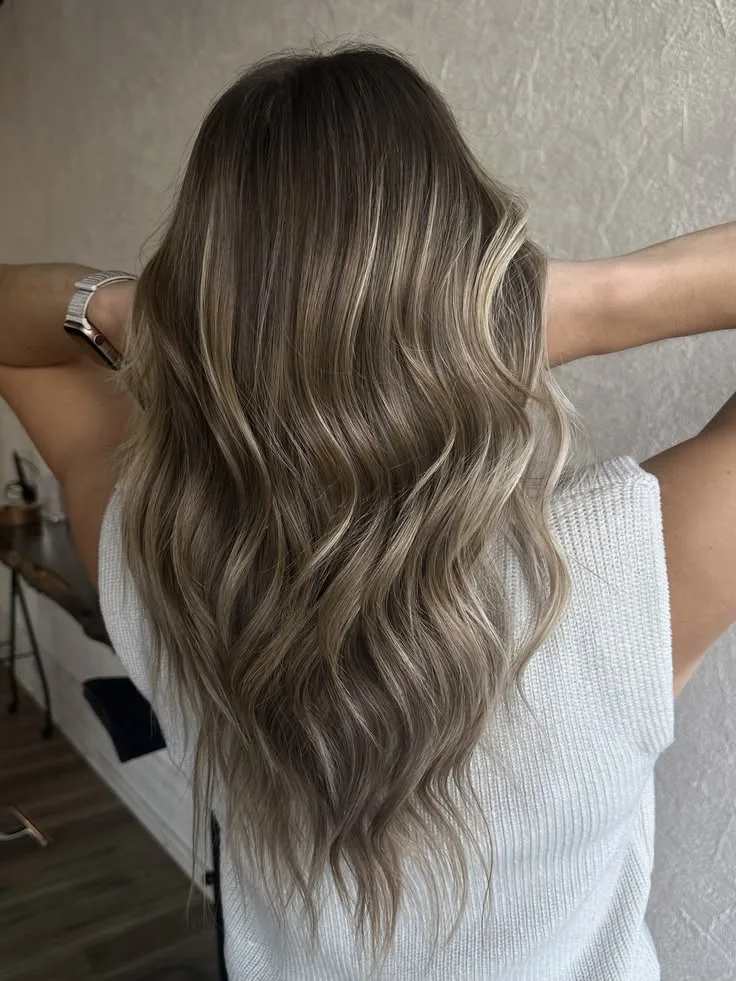
Balayage is a hair coloring technique in which a stylist paints color onto selected sections of hair by hand. The color is placed carefully to create a soft blend from darker roots to lighter ends. Unlike traditional highlights, which often create more noticeable lines, balayage can give your hair a smooth and natural finish.
The best part is that this technique can be adjusted to suit different hair lengths, textures, and colors. You do not need to make a dramatic change to enjoy a fresh look.
Why do so many people love balayage?
- Natural color: The highlights can look like your hair has been gently lightened by the sun.
- Soft blending: The color blends into your natural hair shade instead of creating sharp lines.
- Personal style: Your stylist can choose where to place lighter pieces based on your haircut and face shape.
- Flexible results: You can choose subtle highlights or a brighter, more noticeable finish.
- Growing-out comfort: Because the roots are often kept darker, the color can grow out more softly than some traditional highlighting styles.
Balayage is not just about making your hair lighter. It is about adding depth, movement, and dimension. When the color is planned well, even a small change can make your hairstyle look more polished.
2. How to Find the Best Balayage NYC for Your Style
Choosing a salon is an important step when planning a hair color change. You want a stylist who understands your goals, listens to your concerns, and knows how to work with your natural hair color.
A beautiful result starts with a conversation. Before applying any color, a skilled stylist should ask about your hair history, the look you want, and how much time you are willing to spend on maintenance.
Here are a few things to check before booking your appointment:
- Look at real results: Review salon photos to see how the color looks on different hair types and lengths.
- Read client reviews: Look for comments about communication, color quality, comfort, and the overall experience.
- Ask about experience: Find out whether the stylist regularly works with your preferred shades, such as honey blonde, caramel, or cool beige.
- Discuss your budget: Ask about the total cost, including toning, extra color, and any recommended treatments.
- Book a consultation: Use this time to explain your expectations and understand what can realistically be achieved.
A good stylist will not promise an identical result for everyone. Your starting color, hair condition, and previous treatments all affect the final shade. For example, dark hair may need more than one session to reach a light blonde color while protecting its condition. The right choice is not simply about selecting a popular salon. It is about finding a professional who can create a color plan that works for you.
3. Choose a Balayage Shade That Complements You
The perfect hair color should work with your natural features and personal style. You may love a photo of bright blonde hair, but a warmer caramel shade might better match your desired look and maintenance routine.
There is no single shade that works for everyone. Your natural hair color, skin undertone, and preferred level of contrast can help guide your decision.
Popular balayage shades to consider include:
- Honey blonde: A warm, golden shade that adds brightness and a sunny finish.
- Caramel brown: A rich, warm color that creates dimension in brown hair.
- Beige blonde: A softer, more neutral blonde that can look elegant and modern.
- Chocolate brown: A deep brown shade that adds richness and subtle depth.
- Ash blonde: A cooler shade for people who prefer less golden warmth.
- Copper tones: A warm, vibrant choice that adds personality and a noticeable color change.
Before choosing, ask your stylist to explain how each shade may look against your natural roots. Pictures can help communicate your preferences, but the final result should be adjusted to your hair rather than copied exactly.
You can also ask for a softer version of your chosen shade. This is a useful option if you want a change that feels fresh without looking too dramatic.
4. Why a Professional Hair Coloring Experience Matters
Coloring your hair involves more than selecting a shade and applying a product. A stylist must consider how your hair responds to lightening, where the highlights should sit, and how the final color will blend with your natural base. This is where choosing an experienced hair highlighting salon nyc can make a difference. Professional guidance can help you understand your options and avoid choosing a color plan that does not suit your hair's current condition.
A professional color consultation may cover:
- Hair assessment: Your stylist checks your hair's texture, condition, and previous color treatments.
- Color planning: You discuss the placement, brightness, and tone of the highlights.
- Strand testing when needed: A test can help assess how your hair responds to a coloring process.
- Realistic expectations: Your stylist explains whether your goal is possible in one visit or requires several sessions.
- Aftercare advice: You learn how to maintain your color and keep your hair feeling healthy.
Professional coloring does not remove every risk. Lightening can still cause dryness or breakage, especially when hair has been heavily processed. That is why honest advice and a careful approach matter.
Do not hesitate to ask questions during your consultation. Understanding the process can help you feel more comfortable and make a choice that suits your needs.
5. How to Prepare for Your Balayage Appointment
A little preparation can make your salon visit easier. You do not need to know every technical detail about hair coloring, but having a clear idea of your goals will help your stylist understand what you want.
Before your appointment, follow these simple steps:
- Save inspiration photos: Choose two or three examples that show your preferred color, brightness, and overall style.
- Share your hair history: Tell your stylist about previous coloring, bleaching, chemical treatments, or at-home dye products.
- Explain your routine: Mention how often you wash your hair, use heat tools, and visit the salon.
- Ask about timing: Some appointments take several hours, depending on hair length, thickness, and the desired result.
- Follow the salon's instructions: Ask whether you should arrive with clean, dry hair and follow any preparation advice provided.
- Discuss any concerns: Let your stylist know if your hair feels dry, breaks easily, or has reacted badly to products before.
Avoid making major hair changes at home just before your appointment. Applying another color or using a strong chemical treatment can make the final result harder to predict.
Good communication helps your stylist create a look that matches your expectations while taking your hair's condition into account.
6. Simple Ways to Maintain Your New Hair Color
Your salon visit is only the beginning. A suitable home care routine can help your balayage look fresh for longer and keep your hair feeling soft.
You do not need a cupboard full of expensive products. A few thoughtful habits can support your hair between appointments.
Try these practical hair care tips:
- Use a gentle shampoo: Choose products suited to colored hair and your scalp's needs.
- Condition regularly: Conditioner helps reduce tangles and improve softness.
- Limit excessive heat: Frequent use of straighteners and curling irons can increase dryness and damage.
- Use heat protection: Apply a suitable heat protectant before styling with hot tools.
- Protect your hair from the sun: Wear a hat when spending long periods outdoors and ask your stylist about suitable protective products.
- Use purple shampoo carefully: If you have blonde highlights that become too yellow, your stylist may recommend an appropriate product. Overuse can leave hair dull or dry.
- Schedule touch-ups as needed: Your timing will depend on your color, hair growth, and personal preference.
Balayage often allows for a softer grow-out, but it does not mean you will never need a salon visit. Toning, trimming, and conditioning treatments may still be useful to keep your style looking its best.
7. Common Balayage Mistakes to Avoid
A successful color transformation begins with realistic expectations. Understanding a few common mistakes can help you make better decisions before and after your appointment.
Keep these points in mind:
- Choosing a shade only because it is trending: A popular color may not match your preferred style or maintenance needs.
- Expecting a dramatic change in one visit: Going from very dark hair to pale blonde may require several appointments.
- Ignoring hair condition: Damaged hair may need care before further lightening.
- Skipping the consultation: Without discussing your goals, you and your stylist may have different ideas about the final look.
- Using too many products: Combining several strong treatments can leave hair feeling dry or weighed down.
- Waiting until the color looks damaged: Regular trims and appropriate home care can help manage split ends and dryness.
Remember that healthy-looking hair is just as important as beautiful color. A slightly softer result achieved safely can be a better choice than pushing your hair beyond what it can handle.
8. Make Your Next Hair Transformation Personal
A new hairstyle should feel like an improvement to your everyday life, not another task to manage. Whether you want a subtle change for work, a brighter look for a special occasion, or a fresh style for a new season, balayage offers many ways to express yourself.
Start by deciding what matters most to you. Do you want more brightness around your face? Would you prefer warm, rich tones? Or are you looking for a low-maintenance color that blends naturally as your hair grows?
Use this simple checklist when planning your new look:
- Decide how light or dark you want your hair to appear.
- Choose a few reference photos that match your preferred style.
- Set a realistic budget for the appointment and future care.
- Discuss your hair's condition and color history with your stylist.
- Ask how much maintenance your chosen shade will require.
- Choose a final look that feels comfortable and suits your daily routine.
The best hair color is not always the boldest one. Sometimes, a few carefully placed highlights are enough to make your hair look brighter, fuller, and more interesting.
Final Thoughts
Balayage is a flexible way to refresh your appearance without completely changing your natural hair color. With thoughtful shade selection, professional guidance, and simple aftercare, you can enjoy a style that feels modern and personal.
The key is to focus on what works for your hair, your lifestyle, and your goals. Take time to explore your options, ask questions, and choose a stylist who understands your vision.
Your next hair transformation does not have to be dramatic to be beautiful. Sometimes, the smallest changes create the most noticeable difference.