
When it comes to household dangers, most people think of visible risks like faulty wiring, pests, or mold. But there’s one silent, invisible intruder that could already be in your home: radon gas. Odorless, colorless, and tasteless, radon doesn’t give you any warning signs. It seeps in quietly and builds up over time, turning safe spaces into potential health hazards.
But where, exactly, does radon collect inside a house? The surprising truth is that it can be anywhere—from your basement to your bedroom. In this guide, we’ll break down the most common radon hotspots, how the gas gets inside, and what you can do to protect your family.
What Is Radon and Why Should You Worry?
Radon is a naturally occurring radioactive gas formed from the breakdown of uranium in soil, rock, and groundwater. Outdoors, radon disperses quickly and usually isn’t dangerous. Indoors, however, radon can accumulate to unsafe levels.
Why does this matter? Radon exposure is the second leading cause of lung cancer in the United States (after smoking). Long-term exposure can damage lung tissue and increase cancer risk—even in nonsmokers.
How Radon Enters Your Home
Radon typically rises from the soil beneath your house and seeps inside through:
- Cracks in foundations and basement floors
- Construction joints where walls meet floors
- Openings around pipes, sump pumps, and drains
- Crawl spaces with exposed soil
- Well water (radon can dissolve in groundwater and be released when using faucets, showers, or washing machines)
Once inside, radon tends to settle in lower levels first and then spread upward into living spaces.
Radon in the Basement
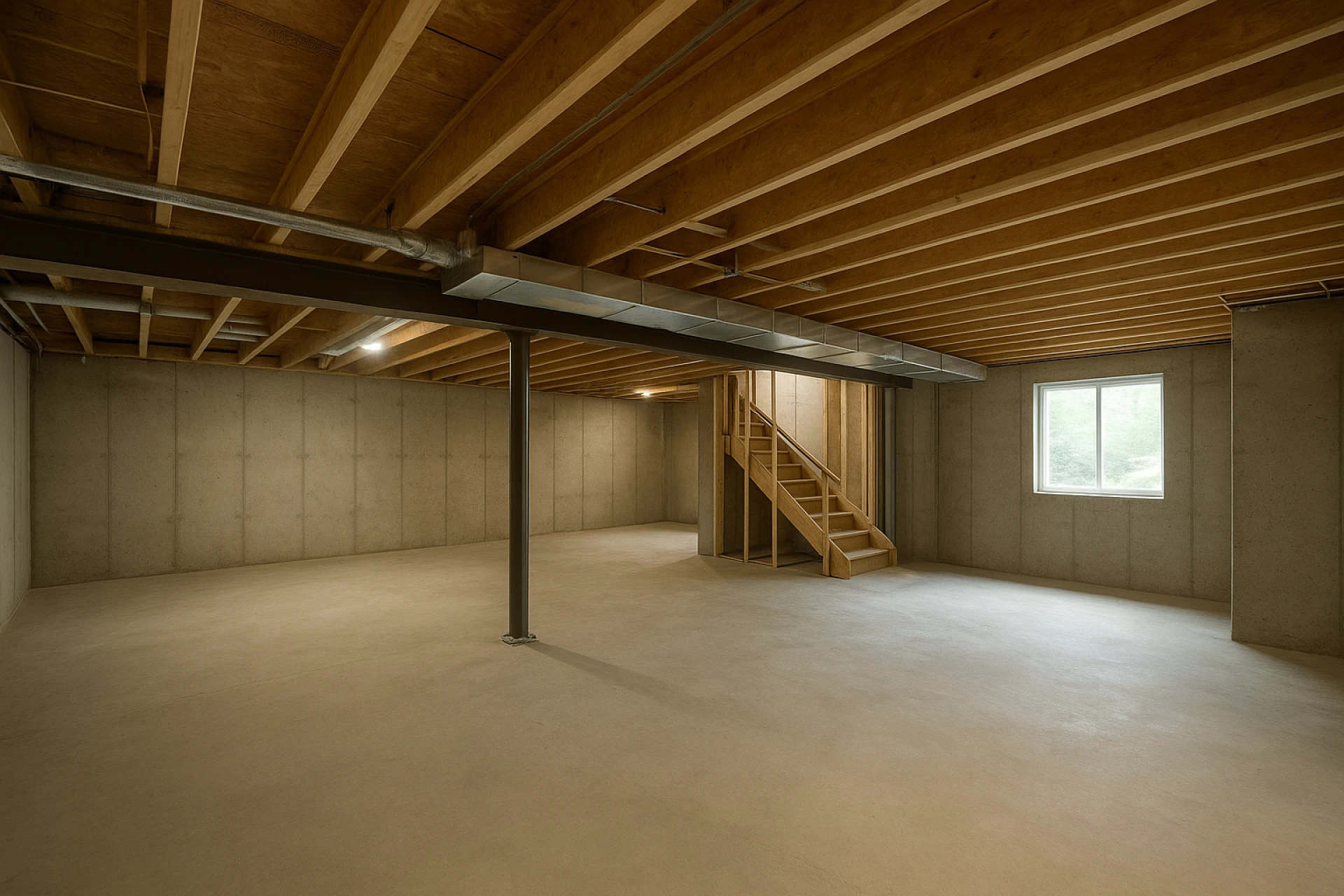
The basement is the primary entry point for radon in most homes. Since it’s underground and closest to the soil, radon gas moves through cracks or porous concrete and collects in this enclosed space.
Signs your basement may be a hotspot:
- Poor ventilation or sealed windows
- Visible foundation cracks
- A sump pump pit or exposed soil
Even if you don’t spend much time in your basement, radon won’t stay confined there—it moves upward into the rest of your home.
Radon in Crawl Spaces
If your home is built over a crawl space, you’re at risk. Crawl spaces often:
- It has exposed soil that releases radon freely
- Lack of ventilation, allowing radon to accumulate
- Let radon seep through the floorboards into living areas above
Sealing crawl spaces with vapor barriers and improving airflow can dramatically reduce radon levels.
Radon on the First Floor
Many homeowners mistakenly believe that if they don’t have a basement, they don’t need to worry about radon. Unfortunately, that’s not true.
Even slab-on-grade foundations (where the house sits directly on concrete) can let radon seep inside. The first floor of your home can easily become a radon zone, especially in bedrooms, living rooms, or kitchens.
Radon in Bedrooms
You might think your bedroom is the safest room in the house, but radon doesn’t stop at the basement. Since people spend 6–9 hours sleeping each night, bedrooms are one of the most dangerous places for radon exposure if levels are high.
Poorly ventilated bedrooms, especially those on ground floors, can unknowingly expose you to harmful radon while you sleep.
Radon in Bathrooms
If you use well water, radon can dissolve into it and escape when you shower, wash your hands, or do laundry. This makes bathrooms and laundry rooms additional radon hotspots. Warm, humid air can even help radon linger longer in these spaces.
Radon in Living Rooms and Common Areas
Living rooms and family rooms, especially on the first floor, can also collect radon gas. If your home is tightly sealed for energy efficiency, ventilation may be limited—trapping radon indoors. This is especially concerning because these are the spaces where families spend the most time together.
Radon in Attics and Upper Floors
While radon is less concentrated in upper levels, it doesn’t always stay at ground level. Stack effect (the natural upward movement of air inside buildings) can pull radon from basements and crawl spaces into upper floors, including attics.
This means no part of your home is automatically safe without testing.
Myths About Radon in Homes
Let’s clear up some common misconceptions:
- Myth 1: Radon is only a basement problem.
- Fact: Radon moves throughout the house, including bedrooms and living spaces.
- Myth 2: New homes don’t have radon issues.
- Fact: Modern, airtight homes often trap radon more effectively than older ones.
- Myth 3: If my neighbor’s house tested low, I’m safe too.
- Fact: Radon levels vary greatly—even between houses side by side.
How to Know If Radon Is in Your Home
Since you can’t see, smell, or taste radon, testing is the only way to know.
- Short-term tests (2–7 days): Quick and affordable, great for initial screening.
- Long-term tests (90+ days): More accurate for understanding yearly averages.
- Professional inspections: Certified radon experts provide the most precise results.
Testing every 2–3 years—or after renovations, foundation repairs, or new HVAC installations—is recommended.
What to Do If Your Home Has Radon
If testing reveals high levels (4 pCi/L or higher, per EPA guidelines), don’t panic—radon can be fixed.
Common mitigation solutions include:
- Sub-slab depressurization systems: A vent pipe and fan pull radon from beneath the house and release it outside.
- Sealing cracks and foundation gaps: Prevents radon entry.
- Crawl space encapsulation: Vapor barriers and ventilation systems reduce radon infiltration.
- Well water treatment: Aeration or carbon filters remove radon before water reaches your faucets.
Once installed, mitigation systems can reduce radon by up to 99%.
Conclusion
Radon doesn’t just stay in the basement—it can be present in every room of your home, from crawl spaces to bedrooms. Because it’s invisible and odorless, you won’t know it’s there unless you test.
The good news is that radon is a preventable risk. With regular testing and proper mitigation, you can protect your family and breathe easy in every room of your home. To get started, visit https://www.omaharadonpros.com and schedule a professional radon test.
Don’t wait until it’s too late—radon testing today could save your life tomorrow.