
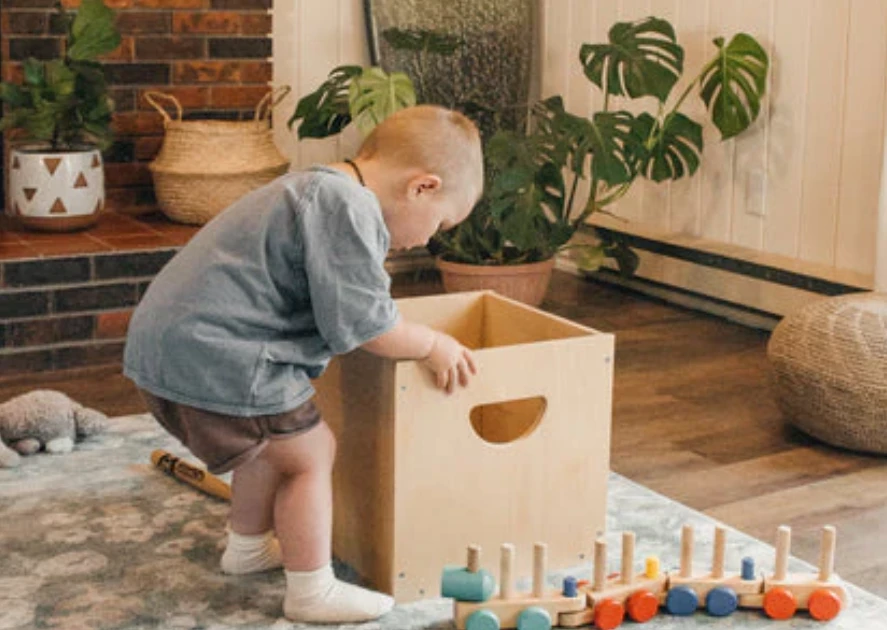
Maria Montessori once said, “The greatest sign of success for a teacher… is to be able to say, ‘The children are now working as if I did not exist.’” This profound independence doesn’t happen by accident — it’s nurtured through carefully designed environments, starting with Montessori furniture.
Unlike traditional kids’ furniture, Montessori pieces aren’t just miniature versions of adult items. They’re intentionally crafted to empower children — low shelves for easy access, lightweight chairs they can move themselves, and open-ended materials that invite exploration. But there’s a twist: this freedom exists within carefully set boundaries.
If you’ve ever wondered why Montessori toddlers seem so capable (pouring their own water, choosing work calmly, or concentrating deeply), the secret lies in their surroundings. Let’s break down how Montessori furniture unlocks this magic — and how you can bring it home.
Classroom furniture tables are foundational pieces in any educational environment, designed to support collaborative learning and individual study. These tables come in various shapes, such as rectangular, round, or trapezoidal, to accommodate different classroom layouts. Classroom furniture tables are often made from durable materials like laminate or solid wood to withstand daily wear and tear. Adjustable-height options cater to different age groups, ensuring ergonomic comfort. Whether used for group projects, arts and crafts, or STEM activities, classroom furniture tables enhance organization and foster an engaging learning atmosphere.
Childcare furniture is specially designed to create safe, welcoming, and developmentally appropriate environments for young children. From cribs and cots to activity tables and storage units, childcare furniture prioritizes safety with rounded edges, non-toxic finishes, and sturdy construction. These pieces are often lightweight for easy rearrangement, supporting flexible classroom setups. Childcare furniture also encourages social interaction and independent play, helping children develop motor skills and creativity. Investing in high-quality childcare furniture ensures a nurturing space where kids can learn and grow comfortably.
Classroom group tables are essential for fostering teamwork and interactive learning among students. Available in various sizes and configurations, these tables promote group discussions, peer learning, and hands-on activities. Classroom group tables often feature wipeable surfaces for easy cleanup and built-in storage for school supplies. Their modular designs allow teachers to rearrange seating arrangements based on lesson plans. By incorporating classroom group tables, educators can create a dynamic and inclusive learning environment that enhances student engagement and cooperation.
A shoe shelf for kids is a practical storage solution that keeps entryways tidy and promotes cleanliness in classrooms or daycare centers. These shelves are typically low-height, allowing children to access their footwear independently. A shoe shelf for kids may feature cubbies or open compartments for easy organization. Made from durable materials like plastic or wood, these shelves are easy to clean and maintain. By using a shoe shelf for kids, educators can instill responsibility and orderliness while preventing clutter in shared spaces.
An indoor slide for toddlers provides a safe and exciting way for young children to engage in physical activity while developing balance and coordination. These slides are designed with soft edges, gentle slopes, and non-slip steps to ensure safety. An indoor slide for toddlers is often made from high-quality plastic or foam, making it lightweight yet sturdy. Incorporating an indoor slide for toddlers in play areas encourages active play, boosts confidence, and supports gross motor skill development in a controlled environment.
A kids stool chair is a versatile seating option that complements classrooms, playrooms, and dining areas. These stools are ergonomically designed to support proper posture while being lightweight and easy to move. A kids stool chair often features stackable designs for efficient storage and comes in vibrant colors to appeal to children. Whether used during circle time or art activities, a kids stool chair provides a comfortable and functional seating solution for young learners.
Daycare furniture is tailored to meet the needs of infants, toddlers, and preschoolers, focusing on safety, durability, and functionality. From cribs and changing tables to play kitchens and bookshelves, daycare furniture supports early childhood development. These pieces are designed with rounded corners, non-toxic materials, and easy-to-clean surfaces. Daycare furniture also includes multipurpose items like storage benches and activity centers, maximizing space efficiency while encouraging exploration and creativity.
A Montessori shelf is a key component of Montessori classrooms, designed to encourage independence and organization among children. These low-height shelves display learning materials in an accessible manner, allowing kids to choose activities autonomously. A Montessori shelf is typically made from natural wood and features open compartments for easy visibility. By using a Montessori shelf, educators can create an orderly environment that fosters self-directed learning and responsibility.
Kids slides are popular play structures that help children develop motor skills, balance, and confidence. Available in indoor and outdoor designs, kids slides are built with safety features like handrails and non-slip steps. These slides come in various sizes, catering to different age groups. Incorporating kids slides in play areas encourages physical activity and social interaction, making them a valuable addition to schools and daycare centers.
An infant activity table provides a safe and engaging space for babies to explore textures, sounds, and colors. These tables often feature interactive elements like spinning gears, light-up buttons, and removable toys. An infant activity table supports early sensory development while promoting hand-eye coordination. With adjustable heights and sturdy bases, an infant activity table is a must-have for childcare centers and homes with young children.
A reading nook for kids is a cozy corner designed to encourage literacy and relaxation. Furnished with soft seating, bookshelves, and warm lighting, a reading nook for kids creates an inviting space for storytime and independent reading. These nooks can be customized with themed decorations to spark imagination. By incorporating a reading nook for kids, educators can foster a lifelong love for reading in a comfortable and stimulating environment.
Modern classroom furniture combines aesthetics with functionality, featuring clean lines, versatile designs, and durable materials. These pieces include ergonomic chairs, adjustable desks, and modular storage solutions. Modern classroom furniture enhances learning spaces by promoting organization, comfort, and flexibility. With a focus on sustainability and innovation, modern classroom furniture supports contemporary teaching methods while creating an inspiring educational atmosphere.
Montessori furniture isn’t about aesthetics; it’s about creating a prepared environment where children naturally develop discipline, confidence, and joy in learning. By embracing the “freedom within limits” philosophy — offering choices within a structured space — you’re not just organizing a room. You’re nurturing a mindset: “I can do it myself.”
Ready to transform your space? Start small:
- Swap one toy bin for an open shelf to encourage intentional play.
- Choose a child-sized table and chairs where feet touch the floor (hello, focus!).
- Step back — and watch your child’s independence bloom.
“The environment must be rich in motives which lend interest to activity and invite the child to conduct his own experiences.” — Maria Montessori. Will yours?
Explore our curated Montessori furniture collection — where every piece is designed to nurture independence. Shop now and build your child’s confidence, one shelf at a time!