
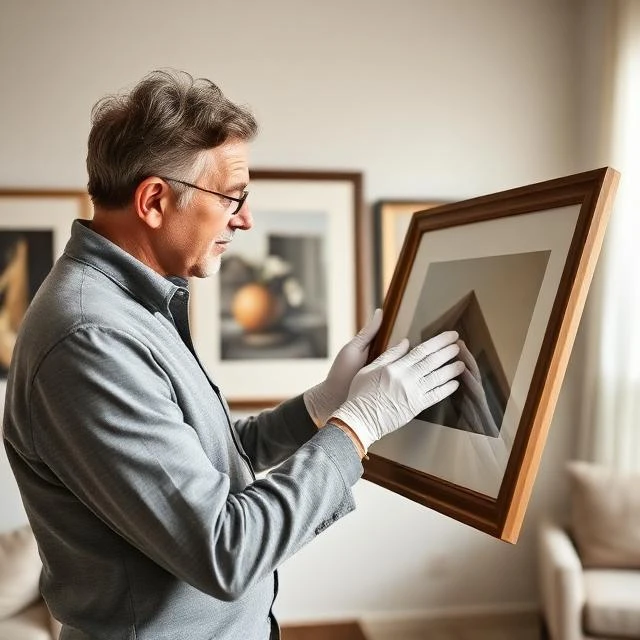
Art holds great worth in many homes. Care helps it stay safe and bright for long years. Good care starts with smart choices and clean habits. This guide walks you through clear steps for framing and preserving art so you can keep each piece in top shape. You will learn how to set a frame, how to store a piece, how to keep light and heat away, and how to keep your full art set safe at home. You will also learn why clean hands, dry rooms, and steady care matter so much.
Safe Care Starts With You
Art needs care each day. Clean hands keep each piece bright. You must lift each piece with care. A slow move helps you keep the frame tight and the piece safe. Your role as a collector sets the tone for how long the work stays in a good state.
You build strong habits when you use smart steps made for art care and maintenance for collectors. These steps help you guard each work of art against tears, dents, and dirt. The goal is to keep the art safe with simple acts that fit in your daily plan.
Know What Your Art Needs
Each piece has a type. Paintings, prints, and sketches do not react in the same way. Wood, paper, and canvas need their own pace of care. A dry room may suit one piece. A cool room may suit the next. You must track each detail so you know where to place your art.
When you use strong art preservation techniques, you help each piece stay free of harm. You also help the work age in a clean and calm way. Your plan needs to suit each piece and the room where you place it.
The Role of Frames in Art Care
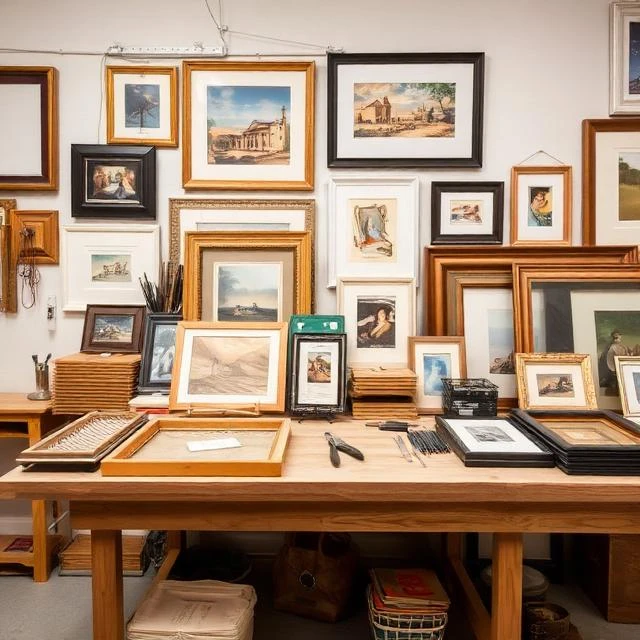
Frames help guard art from dust and touch. The right frame adds a tight seal. This seal holds the art in place and keeps the air flow low. The right frame helps block heat and keeps the piece safe in bright rooms. A frame gives each piece a strong base.
When you learn how to frame artwork properly, you give your art a long life. The right frame keeps the art flat and firm. The right frame holds each edge of the work with care. Many art lovers think frames are for style. In truth, frames act as shields that guard the inner work.
What Makes a Safe Frame?
A safe frame starts with clean wood or metal. A safe frame has good joints. The corners must lock tight. The frame must sit flat on the wall. It must not pull or twist the art. It must not trap damp air.
Many experts tell new collectors to use archival framing for art that has high worth. These frames use acid-free mats, clean boards, and tight backs. These parts help the art stay bright and firm for long years. The main aim is to give the art a safe home.
Use Safe Glass for More Shield
Glass acts as a shield. It keeps dust off the art. It stops touching and keeps the heat low. Yet not all glass works well for art. You need safe glass that blocks light rays. This step is key when you want to guard the color of each piece.
Many collectors use UV-protective glass for artwork. This glass blocks harsh rays. Harsh rays can fade paint and weaken paper. Safe glass keeps the color rich and sharp. It keeps a clean view and helps the full frame look neat.
Smart Steps to Keep Paintings Safe
Paintings need clean air and soft light. Thick paint can crack when the heat changes too fast. You must keep the room in a stable state. You must keep the work safe from bugs, mold, and harsh sun.
When you use strong steps for protecting paintings from damage, you prevent breaks and stains. A clean brush can help remove dry dust. A smooth cloth can clean the frame. The goal is to keep the paint intact and the tone bright.
Care Steps for Art in Paper Form
Sketches, prints, and maps use thin sheets. They need more care. Paper can bend. Paper can tear. Paper can fade or take on spots. You must keep paper art away from damp rooms.
When you use artwork preservation tips, you give your paper art a long and safe life. These tips help you keep the sheets flat and firm. These tips help you keep each sheet safe from mold or wet marks.
Keep Each Piece Safe While You Handle It
Your hands must be clean and dry. You must hold the frame by its sides. You must move the piece in slow steps. A rush can harm the art.
When you use smart habits for handling artwork safely, you cut the risk of slips and drops. These habits help when you move art for a clean or a shift in wall space. Safe moves keep each line and shade in the right place.
The Role of Air and Moisture Control
Water in the air harms art. Damp rooms can cause mold. Dry rooms can crack paint or wood. Your space must stay in a steady state. Your daily care must track heat, air, and wetness.
Good rooms use tools for humidity control for art preservation. These tools help you keep each room stable. You must check the state of each room often. You must move art out of bad rooms at once.
Sunlight and Heat Are Risk Factors
Sun rays can fade color. They can make paper dry. They can warp wood. Heat can break glue joints or crack a frame. A cool room helps keep the art calm and firm.
You can use smart steps and tips for protecting art from sunlight and humidity. These steps include window shades, cool bulbs, and clean air vents. When you cut harsh rays, you help each piece stay safe.
Care Steps for Long Storage
Some collectors keep extra art in safe rooms. Some keep them in tight boxes. Good storage must keep the art flat, clean, and cool.
When you use safe plans for storing art collections, you cut the risk of mold or tears. A safe box can guard each piece from dust. A dry shelf helps guard each frame. You must check stored art often so no harm builds up in the dark.
Long Storage Solutions for Big Sets
Large sets need more space. Large sets need neat racks. Each piece must rest in its own slot. No frame must touch the next one. A clear map helps track each piece.
Many collectors use long-term art storage solutions made for home sets. These tools help you stack art in a clean, safe way. They keep the weight low and the air clean.
Choose Museum-Grade Frames for Top Pieces
Some art holds high worth. These pieces need top care. You must use strong boards and safe mats. You must pick a frame that suits the size of the piece.
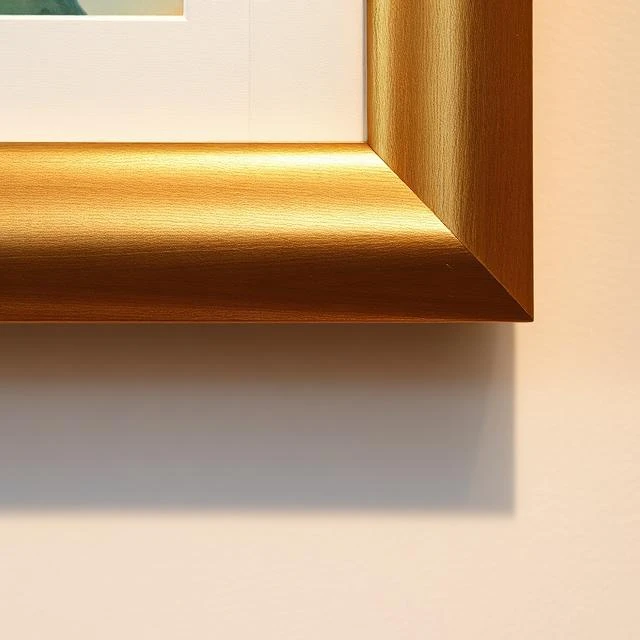
Many experts point to museum-quality framing for private collections. These frames use clean backboards and safe tape. These frames help keep each piece in its actual state. These frames add more shield to color and shape.
The Best Way to Frame High-Worth Art
High-value art needs care from start to end. You must use mats that are acid-free. You must use safe tape that will not stain or tear the back of the art.
The best way to frame valuable art pieces starts with a dry room, safe hands, and clean tools. A pro can help set the mat, glass, and frame in a tight form.
Preserve Art With Smart Home Habits
Home care helps keep each piece safe in daily life. You must dust with a soft cloth. You must keep the room dry. You must cut harsh sun. You must check each frame for small gaps or loose parts.
If you want to learn how to preserve artwork at home, start with a simple plan made for your own space. Your walls, lights, and air vents must all play a part in this plan.
A Simple Guide for New Collectors
New collectors need simple steps. You must check the state of each piece often. You must clean in soft strokes. You must guard the art from heat, water, and harsh rays.
When you use this art collector’s guide to framing and preservation, you build steady habits. These habits help your art stay safe for long years. Your home becomes a safe space for each piece to shine.
A Closer Look at Conservation Care
Some art needs special care. Some pieces use thin paint. Some pieces use soft paper. They need safe mats, clean glass, and tight frames. They need a cool room and dry air.
When you use conservation framing methods, you help the art stay free of harm. You use mats and boards that will not stain. You use glass that blocks harsh rays. You keep the frame in a safe state.
Use Clear Steps for Daily Care
Daily care makes a huge change. You must check for dust. You must wipe the frame. You must check for loose nails or cracks. You must note any small change in tone or line.
These clear steps help you guard art with care. They help you keep your home bright and neat. They help you reduce the risk of harm as each day goes by.
When to Call an Expert?
Some pieces need pro help. You must call a pro for tears. You must call a pro for faded paint. You must call a pro for mold. Experts know how to fix small flaws with care.
You must take the art to a pro when the frame breaks or when the glass cracks. A pro can help keep the art intact as the frame gets fixed.

How ArtSmiley Helps You Care for Your Art?
Artsmileydecor.com helps collectors care for art in a safe and clear way. Our team knows how frames work. Our team guides you through the best methods for framing and preserving art. We share clean and simple steps for art preservation techniques and best practices for art collectors. We help you choose safe mats, clean glass, and strong boards. We guide you with neat plans for how to frame artwork properly. We also help you with safe plans for long-term art storage solutions so you can keep your home set in top shape. Your art holds worth. ArtSmiley helps you keep that worth safe for many years.