
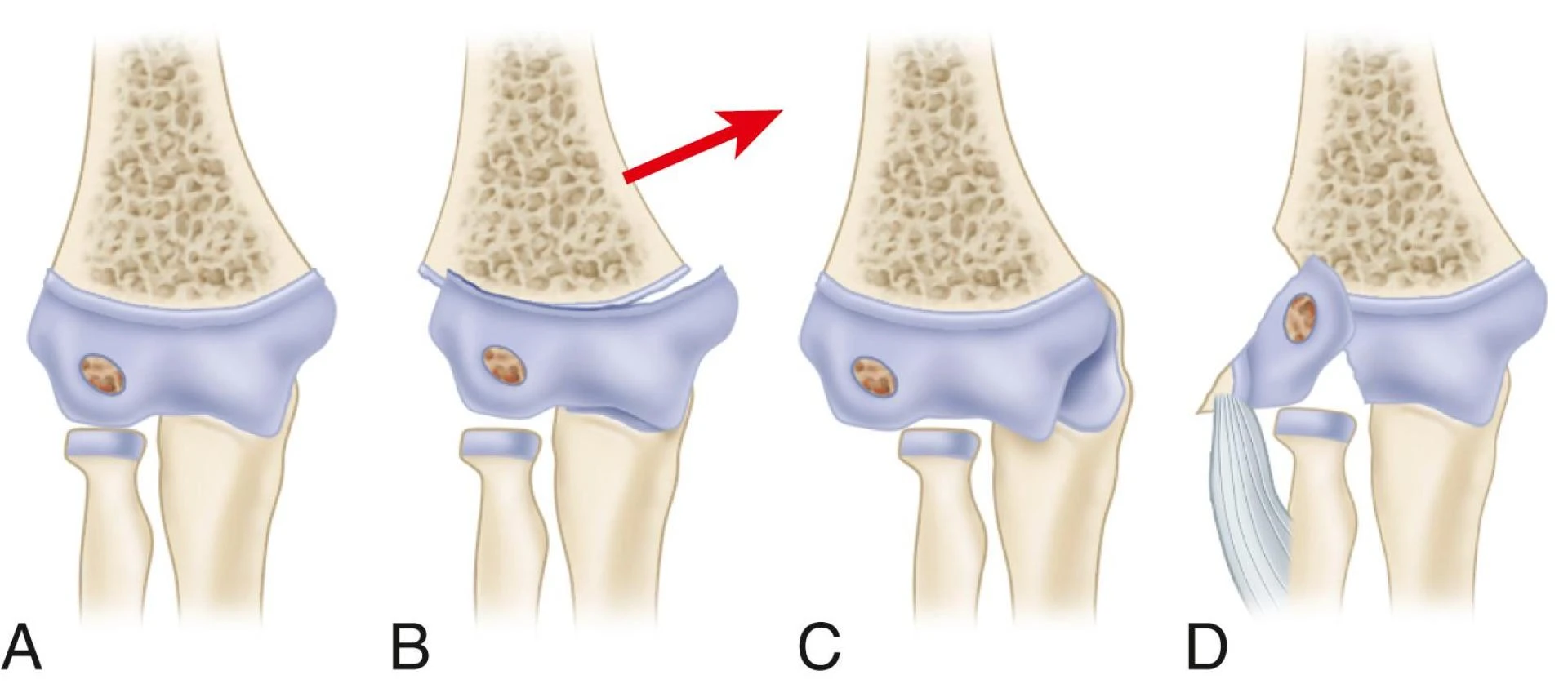
Bone and joint injuries can happen suddenly, whether from a fall, sports activity, or accident. These injuries not only cause immediate pain but can also impact long-term mobility if not treated properly. At First Care Family Clinic, patients receive timely and effective care for conditions like Fractures & Dislocations, ensuring safe recovery and restored function. Understanding these injuries, their symptoms, and the right treatment approach is essential for protecting your health and preventing complications.
Understanding Fractures & Dislocations
Fractures and dislocations are two of the most common musculoskeletal injuries, but they differ in how they affect the body. A fracture refers to a break in the bone, which can range from a small crack to a complete break. Dislocations, on the other hand, occur when a joint is forced out of its normal position, causing the bones to become misaligned.
Both conditions often result from trauma such as falls, sports injuries, or accidents. However, underlying factors like weak bones, repetitive stress, or poor physical conditioning can also increase the risk. Recognizing the difference between these injuries helps ensure proper treatment and faster recovery.
Common Causes of Bone Injuries
Fractures and dislocations can occur in many everyday situations. High-impact accidents, such as car collisions or falls from height, are major causes. Sports activities, especially contact sports, frequently lead to joint injuries and broken bones. Even simple slips or trips can result in fractures, particularly in older adults with weaker bones.
In addition, repetitive stress from activities like running or heavy lifting can lead to stress fractures over time. Certain medical conditions, including osteoporosis, also weaken bones and make them more prone to injury.
Signs and Symptoms to Watch For
The symptoms of fractures and dislocations can vary depending on the severity and location of the injury. However, some common signs should never be ignored.
- Severe Pain and Swelling
- Pain is usually immediate and intense, especially when moving the affected area. Swelling and bruising often follow quickly, indicating tissue damage around the injury.
- Visible Deformity
- In many cases, the injured limb may appear out of shape or misaligned. This is especially common in dislocations where the joint is visibly displaced.
- Limited Movement
- Patients often find it difficult or impossible to move the injured area. Attempting to do so may increase pain significantly.
- Numbness or Tingling
- Nerve involvement can cause unusual sensations like tingling or numbness, which requires urgent medical attention.
Recognizing these symptoms early allows for prompt care and reduces the risk of complications.
Types of Fractures & Dislocations
Bone injuries come in different forms, each requiring a specific treatment approach.
- Simple and Compound Fractures
- A simple fracture does not break the skin, while a compound fracture involves the bone piercing through the skin, increasing infection risk.
- Stress Fractures
- These are small cracks in the bone caused by repetitive activity. They are common among athletes and individuals with physically demanding routines.
- Shoulder and Joint Dislocations
- The shoulder is one of the most frequently dislocated joints due to its wide range of motion. Other joints like the knee, elbow, and fingers are also prone to dislocation.
- Recurrent Dislocations
- Once a joint has been dislocated, it may become unstable and more likely to dislocate again without proper rehabilitation.
Understanding these types helps guide appropriate treatment and recovery strategies.
Diagnosis and Medical Evaluation
Accurate diagnosis is essential for effective treatment. Healthcare providers begin with a physical examination to assess pain, swelling, and movement limitations. Imaging tests such as X-rays are commonly used to confirm fractures and identify dislocations.
In more complex cases, advanced imaging like CT scans or MRIs may be required to evaluate soft tissue damage, ligament injuries, or hidden fractures. Early and accurate diagnosis ensures that the right treatment plan is implemented without delay.
Treatment Options for Fractures & Dislocations
Treatment depends on the severity of the injury and the specific area affected.
- Immobilization Techniques
- Splints, casts, or braces are used to keep the bone or joint in place while it heals. This is one of the most common treatments for stable fractures.
- Reduction Procedures
- For dislocations, doctors carefully reposition the joint back into place. This procedure is often done under sedation to minimize pain.
- Medication for Pain Management
- Pain relievers and anti-inflammatory medications help manage discomfort and reduce swelling during recovery.
- Surgical Intervention
- In severe cases, surgery may be required to fix broken bones using metal plates, screws, or rods. Surgery ensures proper alignment and healing.
Each treatment approach is tailored to the patient’s condition, ensuring safe and effective recovery.
Recovery and Rehabilitation
Healing from fractures and dislocations takes time and proper care. Most fractures heal within 6 to 8 weeks, while dislocations may recover faster depending on the severity. However, full recovery often requires rehabilitation.
Physical therapy plays a key role in restoring strength, flexibility, and range of motion. Patients are guided through exercises that gradually rebuild muscle support around the injured area. Following medical advice and attending follow-up appointments are essential for avoiding complications.
Preventing Future Injuries
Prevention is always better than treatment. Simple lifestyle changes can significantly reduce the risk of fractures and dislocations. Maintaining strong bones through a balanced diet rich in calcium and vitamin D is essential. Regular exercise helps improve muscle strength and joint stability.
Using proper protective gear during sports and being cautious on slippery surfaces can also prevent injuries. For older adults, fall prevention strategies such as improving home safety and maintaining balance are especially important.
Why Timely Care Matters
Ignoring bone injuries or delaying treatment can lead to serious complications. Improper healing may result in chronic pain, reduced mobility, or permanent deformity. Early medical intervention ensures correct alignment and faster recovery.
Patients who receive timely care are more likely to regain full function and return to their daily activities without long-term issues. This highlights the importance of seeking professional help as soon as symptoms appear.
Conclusion
Managing Fractures & Dislocations effectively requires a combination of early diagnosis, proper treatment, and dedicated rehabilitation. These injuries, while common, should never be taken lightly. With the right care, most patients recover fully and regain their normal activities. At First Care Family Clinic, patients benefit from expert evaluation, personalized treatment plans, and compassionate support throughout their recovery journey. Taking the right steps today can ensure a healthier and more active tomorrow.
FAQs
Q1. What is the main difference between fractures and dislocations?
A fracture is a break in the bone, while a dislocation occurs when a joint is forced out of its normal position.
Q2. How long does it take to heal from fractures & dislocations?
Fractures usually take 6,8 weeks, while dislocations may heal within a few weeks depending on severity.
Q3. Can fractures heal without treatment?
No, proper medical care is necessary to ensure correct healing and avoid complications.
Q4. Are dislocations likely to happen again?
Yes, if the joint becomes unstable, recurrent dislocations can occur without proper rehabilitation.
Q5. When should I seek medical help?
You should seek immediate care if there is severe pain, swelling, deformity, or inability to move the affected area.