Healthcare organizations are constantly searching for better ways to balance patient care, operational efficiency, and regulatory responsibilities. Federally Qualified Health Centers (FQHCs) especially face the challenge of maintaining high-quality services while meeting strict compliance expectations. The adoption of FQHC Compliance software helps healthcare teams simplify complex processes, organize important information, and build stronger operational frameworks. In an industry where accuracy, transparency, and accountability matter, digital compliance solutions provide a practical way to improve daily workflows. By reducing manual tasks and supporting better management practices, this technology allows FQHCs to focus more attention on patients while maintaining the standards required for successful healthcare delivery.
The Changing Landscape of FQHC Operations
Community healthcare organizations have become essential resources for individuals seeking affordable and accessible medical services. FQHCs provide comprehensive care that often includes primary healthcare, preventive services, behavioral health support, and community-based programs.
However, managing these services requires careful coordination. Healthcare teams must maintain accurate documentation, follow established guidelines, and continuously improve their processes. Traditional methods of tracking compliance through spreadsheets, physical files, or disconnected systems often create unnecessary challenges.
The modern healthcare environment requires more flexible solutions. Digital platforms allow FQHCs to manage compliance activities in a more organized and efficient way. With better tools, healthcare professionals can spend less time handling administrative responsibilities and more time improving patient experiences.
Technology has become a valuable partner in helping organizations create stronger systems that support both compliance and quality care.
Making Compliance Management More Efficient
Compliance involves many responsibilities, from maintaining proper records to ensuring that healthcare practices follow required standards. For FQHCs, managing these areas effectively is essential for continued success.
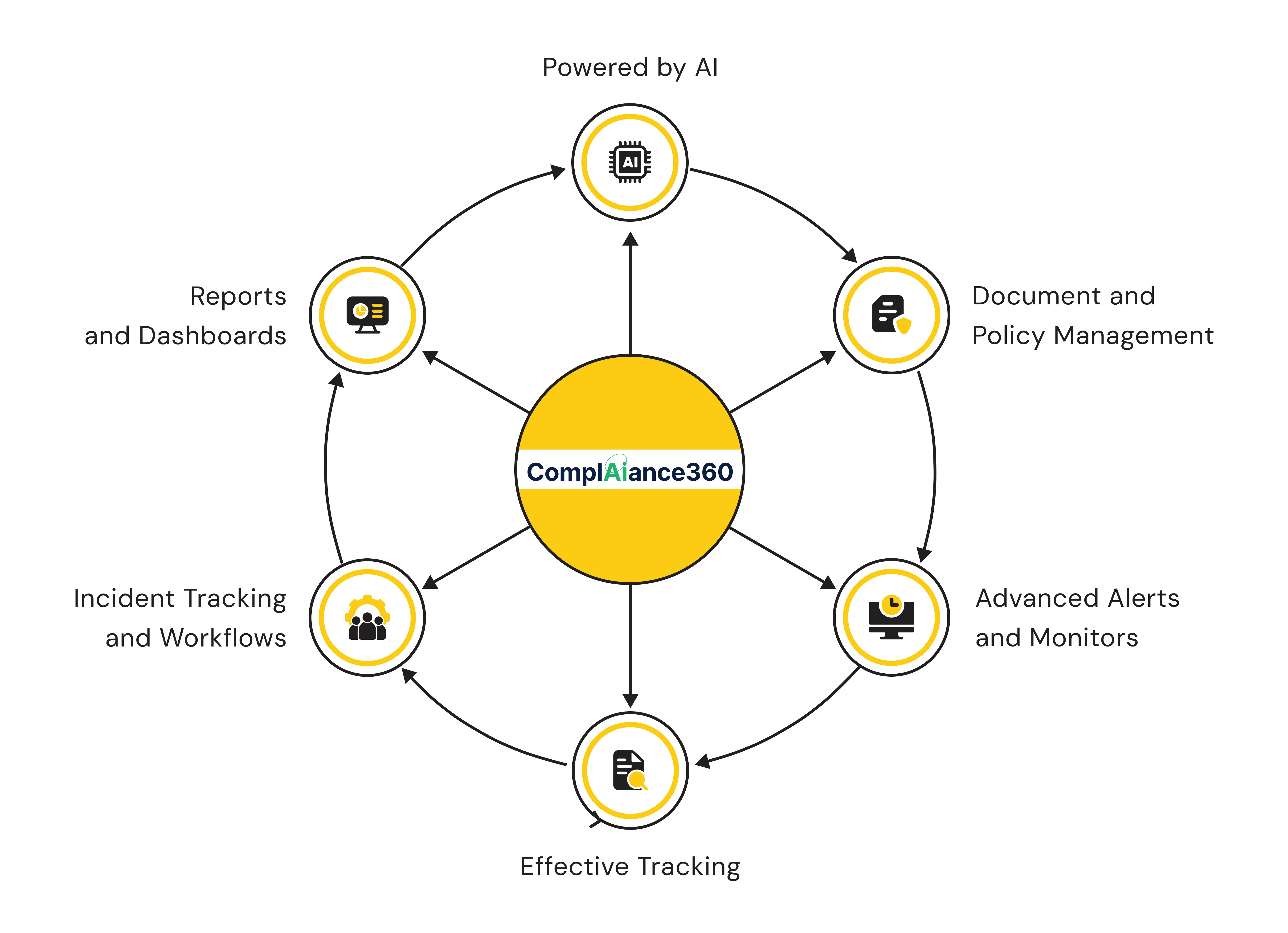
A dedicated compliance platform creates a centralized environment where teams can manage important tasks and information. Instead of searching through multiple sources, staff members can access organized resources and track necessary activities more easily.
This improved organization helps reduce confusion and creates consistency across departments. When processes are clearly structured, employees can understand expectations and complete responsibilities with greater confidence.
Efficient compliance management also allows healthcare leaders to identify areas where improvements may be needed. Rather than waiting for problems to appear, organizations can take proactive steps to strengthen operations.
Supporting Better Healthcare Quality Through Technology
Quality care is the foundation of every successful healthcare organization. Compliance practices play an important role in maintaining that quality because they encourage consistency, responsibility, and continuous improvement.
A strong compliance system supports healthcare teams by helping them follow established workflows and maintain reliable documentation. These improvements contribute to smoother operations and better patient outcomes.
When administrative processes become easier to manage, providers can focus more on direct patient interactions. This creates opportunities for stronger relationships between healthcare professionals and the communities they serve.
Technology does not simply improve efficiency; it supports a culture where quality becomes part of everyday operations.
Reducing Complexity in Regulatory Processes
Healthcare regulations can be complex, and keeping up with changing expectations requires continuous attention. FQHCs need systems that help them stay organized while adapting to evolving requirements.
A compliance-focused platform provides structure by bringing essential processes together. Teams can monitor responsibilities, maintain records, and support organizational goals through a more connected approach.
Reducing complexity allows healthcare workers to operate more effectively. Instead of spending significant time managing compliance details manually, they can use technology to simplify routine activities.
This creates a more productive environment where staff members can dedicate their energy toward improving healthcare services.
Improving Internal Communication and Team Coordination
Strong communication is necessary for healthcare organizations to operate successfully. When information is spread across different departments or systems, important details may become difficult to access.
A centralized compliance solution encourages better coordination by allowing teams to work with shared processes and information. Administrative staff, healthcare providers, and leadership teams can stay aligned with organizational objectives.
Better coordination helps prevent delays and reduces the possibility of errors. It also supports a stronger workplace culture where everyone understands how their responsibilities contribute to larger goals.
For FQHCs, where teams often manage multiple priorities, improved communication can make a significant difference in daily operations.
Building a More Secure Approach to Healthcare Information
Patient information requires careful management and responsible handling. Healthcare organizations must maintain appropriate practices to protect sensitive data and preserve patient trust.
Compliance technology helps support structured information management by encouraging organized workflows and consistent documentation practices.
When information is handled properly, healthcare teams can access the details they need while maintaining responsible operational standards. This balance between accessibility and protection is essential for modern healthcare.
Patients expect healthcare organizations to value privacy and security. By strengthening information management practices, FQHCs can build stronger relationships with the communities they support.
Preparing Organizations for Audits and Reviews
Audits are an important part of healthcare accountability. They help ensure organizations maintain appropriate standards and continue improving their services.
However, preparing for audits can be time-consuming when records and processes are not properly organized. Compliance software helps FQHCs maintain readiness by supporting ongoing documentation and process tracking.
Instead of collecting information at the last moment, teams can maintain organized records throughout the year. This approach makes reviews smoother and reduces unnecessary pressure on employees.
A proactive compliance strategy allows organizations to identify potential concerns early and address them effectively.
Creating Opportunities for Long-Term Improvement
Healthcare organizations must continue evolving to meet changing community needs. FQHCs that invest in better systems can improve their ability to provide reliable and efficient care.
Compliance technology supports long-term growth by helping organizations create repeatable processes and stronger operational structures.
With improved visibility into workflows, leaders can make better decisions about resource allocation, service improvements, and organizational priorities.
The goal is not simply to meet requirements but to create an environment where compliance supports overall success.
The Next Generation of FQHC Management
The future of community healthcare depends on combining human expertise with innovative technology. FQHCs need tools that allow them to remain efficient while continuing their mission of providing essential services.
Digital compliance solutions represent a shift toward smarter healthcare management. They help organizations manage responsibilities more effectively while supporting better patient experiences.
As healthcare continues becoming more technology-driven, organizations that embrace modern solutions will have stronger opportunities to improve performance and expand their impact.
Conclusion: Advancing Healthcare Through Smarter Compliance Practices
FQHCs carry an important responsibility in creating accessible healthcare systems for communities. Meeting this responsibility requires strong processes, accurate information management, and effective compliance strategies.
Modern compliance solutions help organizations overcome operational challenges by improving efficiency, strengthening workflows, and supporting better decision-making.
By adopting technology that aligns with their goals, FQHCs can create healthcare environments that are more organized, responsive, and patient-focused.
The future of community healthcare depends on innovation, and compliance technology provides a pathway toward stronger, more sustainable healthcare delivery.