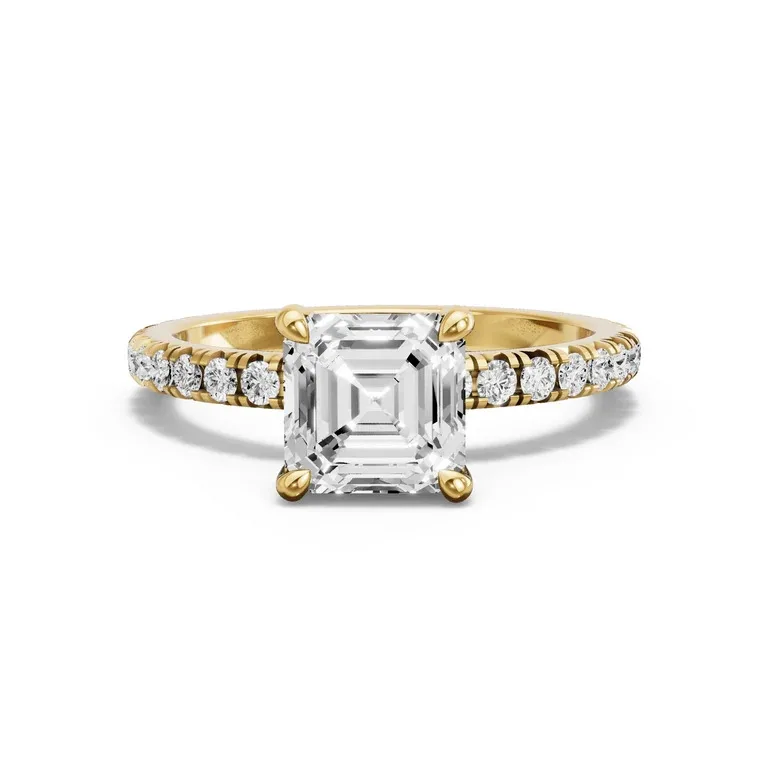
Choosing an engagement ring is an important decision for couples preparing for their future together. From selecting the right diamond shape to deciding on the metal and setting, every detail contributes to the finished design. Among the many available options, a four prong engagement ring remains a popular choice because of its simple structure, balanced appearance, and ability to showcase different diamond shapes. The setting uses four small metal claws to hold the center stone in place while leaving much of the diamond visible.
Whether you prefer a traditional solitaire or a ring with additional diamond details, four-prong settings offer plenty of choices. They work with several diamond cuts, including round, oval, princess, pear, and cushion shapes. Their adaptable design makes them suitable for different preferences, budgets, and everyday lifestyles.
1. Classic Four Prong Solitaire Engagement Ring
The solitaire setting is one of the most recognized engagement ring designs. It places a single center diamond at the top of the band, allowing the stone to become the main feature of the ring. Four metal prongs hold the diamond securely while keeping its shape and surface visible from different angles.
A classic four prong solitaire engagement ring is a suitable choice for someone who appreciates a clean and uncomplicated design. It can be paired with a plain yellow gold, white gold, rose gold, or platinum band.
Another advantage of this setting is its versatility. You can wear it with different wedding band styles, including plain metal bands, pavé bands, and curved wedding rings. Its simple construction also makes it easier to personalize with your preferred diamond size and metal.
2. Round Diamond Four Prong Engagement Ring
Round diamonds are a common choice for engagement rings because of their balanced shape and familiar appearance. When placed in a four-prong setting, the stone is held at four points around its edge, leaving much of the diamond open to view.
A round four-prong design works particularly well with a traditional solitaire band. Couples can choose a thin band for a delicate appearance or a wider band for a more noticeable setting.
The prong shape also matters. Rounded prongs create a softer finish, while claw-style prongs offer a narrower appearance. Both options can complement a round center diamond.
When choosing this design, pay attention to the diamond's cut quality, symmetry, and proportions. These details influence how the finished ring looks when worn.
3. Oval Four Prong Diamond Engagement Ring
Oval diamonds have an elongated shape that gives them a distinct appearance compared with round stones. Their longer outline can create the impression of a larger diamond when viewed from above, depending on the stone's proportions.
A four prong diamond engagement ring featuring an oval center stone is a popular option for people who want a combination of traditional construction and a different diamond shape.
Four prongs are generally positioned around the upper, lower, and side portions of the oval diamond. Correct placement is important because the setting must hold the stone firmly without covering too much of its surface.
Oval diamonds can be paired with yellow gold, white gold, or platinum bands. Some couples also choose a hidden halo or small pavé diamonds along the band for additional detail.
4. Princess Cut Four Prong Ring
Princess-cut diamonds have a square shape with pointed corners. Their geometric outline gives an engagement ring a different character from round and oval designs.
A four-prong setting can hold the princess-cut diamond at its corners. However, the corners need proper protection because they can be more vulnerable to chipping if exposed.
For this reason, it is important to select a setting designed specifically for the diamond's shape. Prongs should cover the corners adequately without making the ring look bulky.
This design can be paired with a plain band or a diamond-accented band. White gold and platinum are popular metal choices for couples who prefer a coordinated appearance.
5. Yellow Gold Four Prong Engagement Ring
Yellow gold continues to be a preferred metal for engagement rings. Its warm color pairs well with several diamond shapes and offers a familiar appearance that suits different personal preferences.
A yellow gold four-prong ring can feature a round, oval, cushion, or emerald-cut center stone. The contrast between the diamond and the metal creates a noticeable difference in color.
Couples can choose 14K or 18K yellow gold depending on their preferences and budget. Both options are used in fine jewelry, although they differ in gold content, hardness, and maintenance requirements.
A plain yellow gold band is suitable for someone who prefers a simple design. Those looking for extra detail can consider a pavé band or a hidden halo.
6. White Gold Four Prong Engagement Ring
White gold is another widely selected option for engagement rings. Its light-colored finish pairs naturally with colorless diamonds and different diamond shapes.
A white gold four-prong setting creates a coordinated appearance between the metal and center stone. It is available in several band widths and finishes, allowing couples to select a design that suits their preferences.
White gold is commonly finished with rhodium plating, which gives it a bright white surface. This coating may need to be renewed over time depending on wear and care.
For someone who wants a traditional ring with a light-colored metal, this combination is worth considering.
7. Four Prong Ring with a Pavé Band
A pavé band features small diamonds set closely together along the surface of the ring. When combined with a four-prong center setting, it adds extra diamond detail without changing the basic solitaire structure.
This design is suitable for someone who likes the appearance of a traditional center stone but wants additional decoration along the band.
Pavé bands are available in different widths and diamond sizes. A narrow band creates a delicate appearance, while a wider band provides more room for diamond accents.
Before selecting this style, examine how the small diamonds are secured. The settings should be properly finished, and the band should feel comfortable against the fingers.
8. Four Prong Engagement Ring with a Hidden Halo
A hidden halo places a circle of small diamonds underneath the center stone rather than around its upper outline. The detail is usually visible from the side of the ring.
This setting is a good option for couples who want additional diamond detailing without changing the main appearance of a solitaire ring.
A hidden halo can be paired with round, oval, cushion, and other center diamond shapes. The four prongs continue to hold the center stone, while the hidden halo adds another decorative feature beneath it.
When considering this design, check the height of the setting. A lower profile may be more comfortable for everyday wear, depending on the wearer's preferences.
9. Four Prong Engagement Ring with a Cathedral Setting
A cathedral setting features raised bands that curve upward from the shank toward the center stone. These arches support the elevated head and give the ring a structured appearance.
When combined with four prongs, the cathedral design creates a traditional engagement ring with additional detail along the shoulders.
This setting works with several diamond shapes and can be made in yellow gold, white gold, rose gold, or platinum.
One point to consider is the height of the center stone. Higher settings may catch on clothing or other materials more easily, so it is worth trying the ring on before making a final decision.
10. How to Choose the Right Four Prong Engagement Ring
Selecting an engagement ring involves more than choosing a diamond shape. The setting, metal, band width, and overall proportions all contribute to how the ring looks and feels.
Here are some useful factors to consider before making a purchase.
Choose a suitable diamond shape: Round, oval, princess, cushion, and emerald-cut diamonds each have different outlines. Think about which shape matches your preferred design.
Check the prong construction: The four prongs should hold the center stone firmly. Their placement and finish should be appropriate for the diamond's shape and size.
Select the right metal: Yellow gold, white gold, rose gold, and platinum offer different colors, properties, and price points. Consider your daily jewelry preferences before choosing.
Consider the band width: A narrow band gives the center diamond more visual attention, while a wider band creates a stronger overall appearance.
Think about everyday comfort: Check the setting height, ring weight, and band edges. A comfortable ring is easier to wear regularly.
Set a practical budget: Decide how much you want to spend before comparing diamonds and settings. This helps narrow down suitable options without compromising on the features that matter most.
11. How to Care for a Four Prong Engagement Ring
Regular care helps maintain the appearance and condition of an engagement ring. Since four-prong settings use small metal claws to secure the center diamond, checking their condition is particularly important.
Follow these simple care practices:
- Clean your ring using warm water, mild soap, and a soft brush when appropriate for its materials.
- Avoid wearing your ring during activities that may expose it to hard impacts.
- Remove it before using cleaning products or handling harsh chemicals.
- Store it separately from other jewelry to reduce the risk of scratches.
- Have a jeweler inspect the prongs periodically to check for looseness or damage.
- If the center diamond moves or a prong catches on clothing, stop wearing the ring until it has been inspected.
Professional inspections can help identify worn prongs and other setting problems before they lead to stone loss.
12. Explore Four Prong Engagement Ring Designs at Antiquecut
Finding the right engagement ring becomes easier when you compare different diamond shapes, metals, and setting styles. From traditional solitaires to rings with pavé bands and hidden halos, there are many designs worth exploring.
If you are planning to purchase a ring, view Collection of four prong diamond engagement ring to compare available designs and find a setting that suits your preferences. At Antiquecut, shoppers can explore engagement ring options featuring different center diamond shapes, metal choices, and setting details.
You can also consider lab-grown diamonds if you are looking for another diamond option within your preferred budget. Lab-grown and natural diamonds have the same essential chemical composition and crystal structure, although they differ in origin.
Take time to compare diamond specifications, ring measurements, and setting details before making your decision. A well-selected four-prong design can become a meaningful part of your engagement story and a ring you enjoy wearing for years.
Frequently Asked Questions
1. What is a four prong engagement ring?
A four prong engagement ring uses four small metal claws to hold the center diamond in place. This setting leaves much of the stone visible and works with several diamond shapes.
2. Are four prong engagement rings secure?
Yes, a properly made four-prong setting can securely hold a center diamond. However, regular inspections are important because prongs can wear down or become loose with everyday use.
3. Which diamond shapes work best with four prongs?
Round, oval, princess, cushion, and emerald-cut diamonds can all be used in four-prong settings. The prong placement must be designed to suit the individual diamond shape.
4. Is a four prong setting better than a six prong setting?
Neither setting is best for every situation. Four prongs leave more of the diamond visible, while six prongs provide additional contact points around the stone. The right choice depends on the diamond and the wearer's preferences.
5. Can I wear a four prong engagement ring every day?
Yes, many people wear four-prong engagement rings daily. Regular cleaning, careful handling, and professional prong inspections help maintain the ring's condition.
Final Thoughts
Four-prong engagement rings remain a popular choice because they offer a straightforward setting that works with many diamond shapes and metal options. Whether you prefer a round solitaire, an oval center stone, a princess-cut diamond, or a pavé band, there is a design to suit different preferences.
Before choosing your ring, compare the diamond quality, prong construction, metal, and overall comfort. Taking time to consider these details can help you find an engagement ring that feels right for your relationship and everyday life.