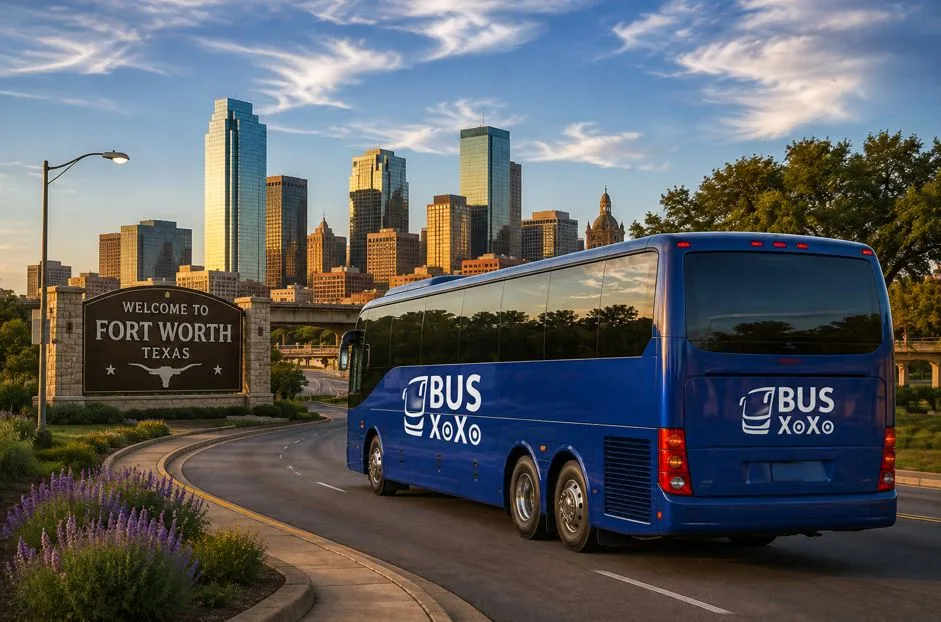
Planning transportation for a group can involve many details beyond simply choosing a destination. Passenger numbers, pickup locations, luggage, event schedules, travel distances, and multiple stops can all influence how the trip should be organized. A Fort Worth charter bus rental can help groups follow a shared transportation plan for corporate events, school trips, weddings, sporting events, family gatherings, sightseeing outings, and other group activities. The most successful transportation plans begin with a complete understanding of the trip. Before selecting a vehicle or finalizing a schedule, organizers should identify who is traveling, where the group needs to go, when passengers need to arrive, and what they need to bring.
Start With an Accurate Passenger Count
The number of travelers is one of the most important details when planning group transportation. Create a list of everyone expected to travel. Depending on the purpose of the trip, this may include employees, students, teachers, wedding guests, family members, athletes, coaches, event staff, or other participants. Try to base transportation planning on the number of people who will actually use the service rather than the total number invited to an event. Some people may arrange their own transportation, while others may join the group later. An accurate passenger count helps organizers determine what type and size of transportation may be appropriate.
Build a Complete Travel Itinerary
A good transportation plan should include every scheduled location, not just the starting point and final destination. List all expected stops, such as:
- Pickup locations
- Hotels
- Airports
- Offices
- Event venues
- Restaurants
- Attractions
- Stadiums
- Meeting locations
- Return destinations
Next to each location, include the expected arrival and departure time. A complete itinerary makes it easier to understand whether the group needs transportation for a direct trip, several separate transfers, or continuous service throughout the day.
Choose Transportation Based on the Entire Trip
Passenger capacity is important, but it should not be the only consideration. A group traveling for a short local event may have different needs from a group traveling for several hours or carrying large amounts of luggage and equipment. Consider:
- Number of passengers
- Luggage requirements
- Equipment or supplies
- Travel distance
- Number of stops
- Length of the trip
- Accessibility needs
- Passenger comfort
The best transportation option should fit the practical needs of the entire group rather than simply offering enough seats.
Plan Pickup Locations Carefully
Pickup locations can have a major effect on the overall schedule. A centralized pickup point may be easier to manage than collecting passengers from numerous individual locations. However, some groups may require multiple pickup stops. If several stops are necessary, organize them according to the route to reduce unnecessary backtracking. Passengers should also receive clear instructions about where to wait. Large hotels, office complexes, campuses, and event venues may have several entrances, so providing only the building name may not be enough.
Specific pickup instructions can help reduce confusion and prevent delays.
Consider Luggage and Equipment
Groups often focus on how many people are traveling but overlook what those passengers need to bring. Airport travelers may have multiple suitcases. Sports teams may carry uniforms and equipment. Corporate groups may have presentation materials, displays, or event supplies. Before finalizing transportation, ask participants about their expected luggage and equipment. Storage requirements can be just as important as passenger capacity. A group with limited belongings may have different transportation needs from a group traveling with large bags or specialized equipment.
Allow Extra Time for Travel
Transportation schedules should account for more than estimated driving time. Traffic, construction, weather, event congestion, and delays at pickup locations can all affect the journey. If passengers need to arrive at a meeting, ceremony, game, flight, or scheduled activity at a specific time, work backward from the required arrival time. Include additional time for boarding and unloading. Large groups often need more time to enter and leave a vehicle, especially when passengers have luggage or equipment.
Plan Multi-Stop Travel in Advance
Many group trips involve several destinations. A corporate group may travel from a hotel to a meeting venue and then to a restaurant. Wedding guests may travel between hotels, ceremonies, and receptions. A sightseeing group may visit several attractions during the same day. Create the full route before the travel date. Consider the order of locations and try to avoid unnecessary travel between distant points. Planning every stop in advance can help the group follow a clearer schedule.
Assign a Transportation Coordinator
Large groups benefit from having one person responsible for transportation communication. The coordinator can:
- Maintain the passenger list
- Share departure times
- Confirm pickup locations
- Communicate schedule changes
- Coordinate with event organizers
- Answer transportation-related questions
Having one primary point of contact can prevent passengers from receiving conflicting information. For larger events, additional group leaders may assist with communication, but responsibilities should remain clear.
Communicate the Schedule Before Departure
Passengers should receive transportation details before the trip begins. The information should include:
- Pickup location
- Meeting instructions
- Departure time
- Main destinations
- Important stops
- Expected return information
- Coordinator contact details
For multi-day trips, provide a schedule for each day. Clear communication helps passengers arrive prepared and reduces delays caused by confusion about where or when they should meet.
Review the Plan Before the Travel Date
A few days before departure, review the entire transportation plan. Confirm the passenger count, pickup locations, destination addresses, travel schedule, luggage requirements, and special requests. It can also be helpful to confirm venue access and loading instructions. Hotels, campuses, airports, and event venues may have designated areas for larger vehicles. A final review can identify changes before they affect the trip.
Make Group Transportation Easier to Manage
Successful group travel depends on planning transportation around the complete itinerary. Passenger numbers, routes, luggage, travel times, pickup points, and event schedules should all be considered together. By organizing these details early, groups can follow a more structured transportation plan and reduce the need to coordinate numerous individual vehicles. Whether the trip involves a corporate event, school activity, wedding, sports program, family gathering, or sightseeing outing, careful planning can make the transportation portion of the journey easier to manage and allow passengers to focus more on the purpose of the trip.