Modern infrastructure stands as a testament to human innovation, precision engineering, and advanced materials. From towering skyscrapers to industrial complexes, steel plays a vital role in shaping the world around us. Its strength, durability, and adaptability make it an essential component in construction and manufacturing. In rapidly developing regions, the demand for steel fabrication in Dubai continues to grow as the city expands its skyline and industrial capabilities.
The process of transforming raw steel into functional structures requires expertise, advanced technology, and meticulous planning. Companies specializing in steel fabrication in dubai provide comprehensive solutions that include design, cutting, welding, and installation, ensuring that each project meets the highest standards of quality and safety.
Engineering Excellence with Steel Fabrication in Dubai for Modern Infrastructure
The rise of global cities has increased the demand for precision-engineered structures. Steel fabrication in Dubai plays a crucial role in delivering durable and innovative solutions for complex construction projects.
1. Precision Manufacturing for Structural Integrity
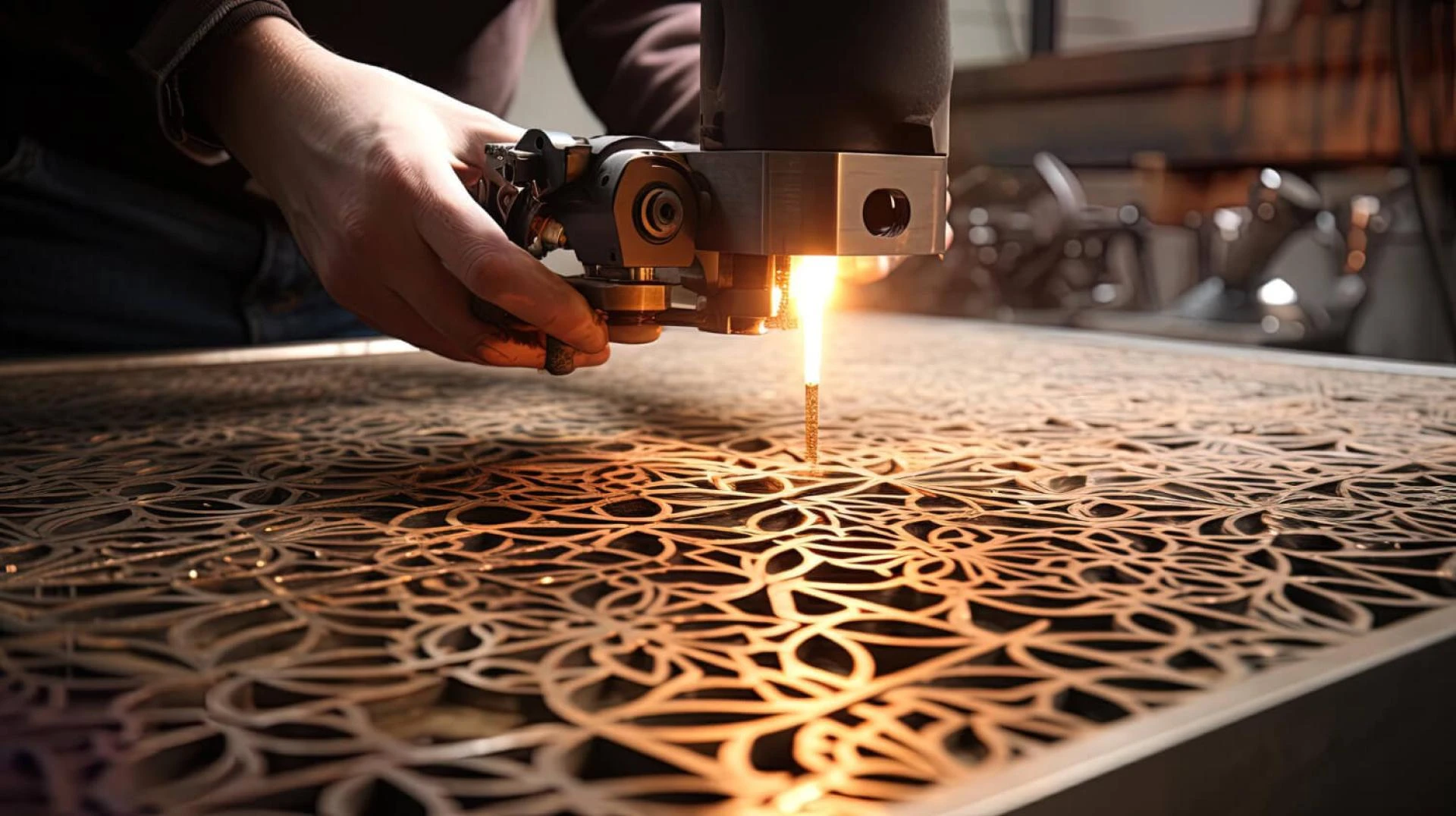
Steel fabrication involves advanced techniques such as CNC cutting, welding, and shaping to create precise components. This precision ensures that structures maintain their integrity under heavy loads and environmental stress. High-quality fabrication reduces the risk of structural failure, making it a critical element in modern construction and engineering projects.
2. Customization for Diverse Project Needs
Every construction project has unique requirements, and fabrication processes are tailored accordingly. Whether it’s industrial facilities, commercial buildings, or residential structures, customized steel solutions provide flexibility and adaptability. This customization allows architects and engineers to bring innovative designs to life without compromising on strength or functionality.
3. Integration of Advanced Technologies
Modern fabrication facilities use state-of-the-art machinery and automation to improve efficiency and accuracy. Technologies such as laser cutting and automated welding enhance production capabilities, ensuring consistent quality across projects. These advancements enable faster project completion while maintaining high standards of craftsmanship.
4. Supporting Large-Scale Infrastructure Development
Dubai’s rapid urban growth relies heavily on steel fabrication. From bridges and skyscrapers to industrial plants, fabricated steel components form the backbone of large-scale infrastructure. The ability to produce high volumes of steel efficiently supports the city’s ambitious development goals.
5. Ensuring Compliance with Safety Standards
Safety is a top priority in construction, and steel fabrication processes adhere to strict regulations and quality standards. Certified fabrication companies ensure that all components meet industry requirements, reducing risks and enhancing reliability.
Driving Innovation and Efficiency Through Modern Steel Engineering Solutions
Engineering innovation is transforming how structures are designed and built. Steel fabrication combines creativity and technical expertise to deliver efficient and future-ready solutions.
1. Faster Construction Timelines
Prefabricated steel components allow for quicker assembly on-site, reducing construction time significantly. This efficiency is particularly valuable in large-scale projects where deadlines are critical. Faster timelines also lead to cost savings and improved project management.
2. Cost-Effective Building Solutions
Steel fabrication offers long-term cost benefits due to durability and low maintenance requirements. While initial costs may vary, the longevity of steel structures ensures better returns on investment.
3. Flexibility in Architectural Design
Steel’s versatility allows architects to experiment with innovative designs and complex structures. Fabrication techniques enable the creation of unique shapes and forms that would be difficult to achieve with other materials.
4. High Strength-to-Weight Ratio
Steel provides exceptional strength without excessive weight, making it ideal for large structures. This property allows for taller buildings and more expansive designs while maintaining stability and safety.
5. Resistance to Environmental Factors
Steel structures are designed to withstand extreme weather conditions, including heat, wind, and seismic activity. Proper fabrication ensures durability and long-term performance in challenging environments.
The Role of Skilled Expertise in Delivering High-Quality Steel Structures
Behind every successful project lies a team of skilled professionals. Expertise in fabrication ensures precision, quality, and reliability in every stage of construction.
1. Experienced Engineers and Technicians
Qualified professionals bring technical knowledge and experience to fabrication projects. Their expertise ensures that every component meets design specifications and quality standards.
2. Attention to Detail in Fabrication
Precision is critical in steel fabrication, and even minor errors can impact structural integrity. Skilled teams focus on every detail, ensuring accuracy and consistency throughout the process.
3. Quality Control and Testing
Rigorous testing procedures are implemented to verify the strength and durability of fabricated components. Quality control measures ensure that only the best materials and processes are used.
4. Collaboration with Architects and Contractors
Effective collaboration between different stakeholders ensures that projects are executed smoothly. Fabricators work closely with architects and contractors to align design and construction goals.
5. Continuous Skill Development
The industry evolves rapidly, and professionals must stay updated with new technologies and techniques. Training and development programs help teams maintain high standards of performance.
Future Trends Shaping the Steel Fabrication Industry
The future of steel fabrication is driven by innovation, sustainability, and technological advancements. These trends are shaping the next generation of construction and engineering solutions.
1. Automation and Robotics
Automation is transforming fabrication processes, improving efficiency and reducing human error. Robotic systems enable precise and consistent production, enhancing overall quality.
2. Smart Manufacturing Techniques
Digital technologies such as IoT and data analytics are being integrated into fabrication processes. These tools provide real-time insights, improving decision-making and operational efficiency.
3. Sustainable Construction Practices
The industry is increasingly focusing on eco-friendly practices, including recycling and energy-efficient production methods. Sustainable fabrication contributes to environmental conservation.
4. Modular Construction Approaches
Prefabricated modules are gaining popularity due to their efficiency and flexibility. Modular construction reduces waste and speeds up project timelines.
5. Advanced Materials and Coatings
Innovations in materials and protective coatings enhance the durability and performance of steel structures. These advancements extend the lifespan of buildings and infrastructure.
Final Thoughts
The evolution of modern infrastructure depends on precision engineering, advanced technology, and skilled expertise. Steel fabrication continues to play a vital role in shaping durable and innovative structures that meet the demands of growing urban landscapes. By choosing the right partners and adopting advanced practices, businesses can ensure long-lasting and reliable construction outcomes.
For organizations seeking trusted expertise in structural steel fabricators, Biston Construction Company stands out as a reliable partner. With a commitment to quality, innovation, and customer satisfaction, they deliver comprehensive solutions tailored to diverse project requirements. By leveraging advanced fabrication techniques and industry expertise, they help bring ambitious construction visions to life with precision and excellence.