
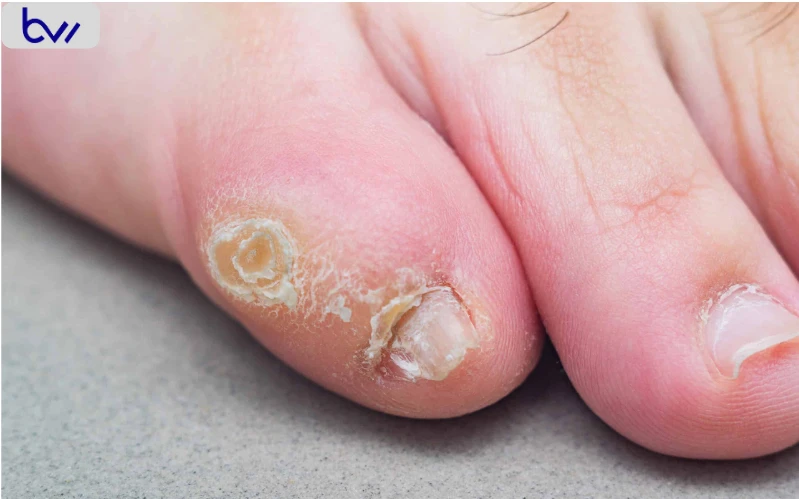
Foot corn disease is a common foot condition that affects people of all ages. Although it is not a serious medical problem, it can cause discomfort, pain, and difficulty walking if left untreated. Understanding what foot corns are, why they form, and how they can be treated is essential for maintaining healthy feet and overall mobility.
What Is Foot Corn Disease?
Foot corn disease refers to the development of corns, thick, hard areas of skin that form from repeated pressure or friction. Corns usually appear on the tops or sides of toes, between toes, or on the soles of the feet. They develop as the body’s natural defense against skin injury.
Unlike calluses, which are usually larger and painless, corns are small, circular, and often painful, especially when pressed. Foot corns can make standing, walking, or wearing shoes uncomfortable.
Common Causes of Foot Corns
Foot corns develop when the skin is repeatedly rubbed or pressed. Some of the most common causes include:
1. Tight or Ill-Fitting Shoes
Shoes that are too tight, too loose, or poorly shaped can rub against the toes and feet. High heels and narrow shoes are common causes of foot corns.
2. Walking Barefoot
Walking without footwear increases pressure on specific areas of the foot, especially on hard surfaces, which can lead to corn formation.
3. Foot Deformities
Conditions such as hammer toes, bunions, or crooked toes change how weight is distributed across the foot, increasing friction and pressure.
4. Poor Foot Hygiene
Dry skin and a lack of regular foot care can make the skin more prone to thickening and the formation of corns.
5. Repetitive Activities
Standing or walking for long periods, especially on hard surfaces, can contribute to the development of foot corn.
Symptoms of Foot Corn Disease
Foot corns are easy to identify. Common symptoms include:
- A hard, raised bump on the foot
- Thickened or rough skin
- Pain or tenderness when walking
- Inflammation around the affected area
- Sensitivity when pressure is applied
If pain becomes severe or signs of infection appear, seek medical attention.
Basic Treatment Options for Foot Corns
Most foot corns can be treated effectively with simple care and lifestyle changes. Below are basic treatment options commonly recommended by foot care professionals.
1. Wear Proper Footwear
Choose shoes that fit well, offer enough toe space, and provide cushioning. Soft insoles or padded footwear can reduce pressure points.
2. Soak and Gently Remove Thick Skin
Soaking the feet in warm water for 10–15 minutes helps soften the corn. After soaking, a pumice stone can be used gently to reduce thickened skin. Avoid cutting corns with sharp tools.
3. Use Protective Pads
Non-medicated corn pads or cushions help protect the affected area from further friction and pressure.
4. Moisturize Regularly
Applying foot cream or moisturizer helps keep the skin soft and prevents excessive thickening.
5. Over-the-Counter Treatments
Some products contain mild exfoliating agents. These should be used carefully and avoided by people with diabetes unless advised by a healthcare provider.
6. Medical Treatment
If home care does not help, a podiatrist may safely remove the corn or treat underlying foot problems. This is especially important for individuals with diabetes or circulation issues.
How to Prevent Foot Corn Disease
Prevention is often easier than treatment. You can reduce your risk by:
- Wearing comfortable, well-fitted shoes
- Keeping feet clean and moisturized
- Using protective footwear when walking outdoors
- Trimming toenails properly
- Addressing foot deformities early
Regular foot care helps maintain healthy skin and prevents recurring corns.
When to See a Doctor
You should consult a medical professional if:
- The corn is very painful
- There are signs of infection, such as redness or discharge
- You have diabetes or poor circulation
- Home treatments are not effective.
Professional guidance ensures safe and effective care.
Conclusion
Foot corn disease is a common but manageable condition caused by pressure and friction on the feet. With proper footwear, regular foot care, and early treatment, most corns can be relieved easily. Paying attention to foot health not only improves comfort but also supports long-term mobility and quality of life.
© Best Writes Trusted Health & Wellness Content by Best Writes