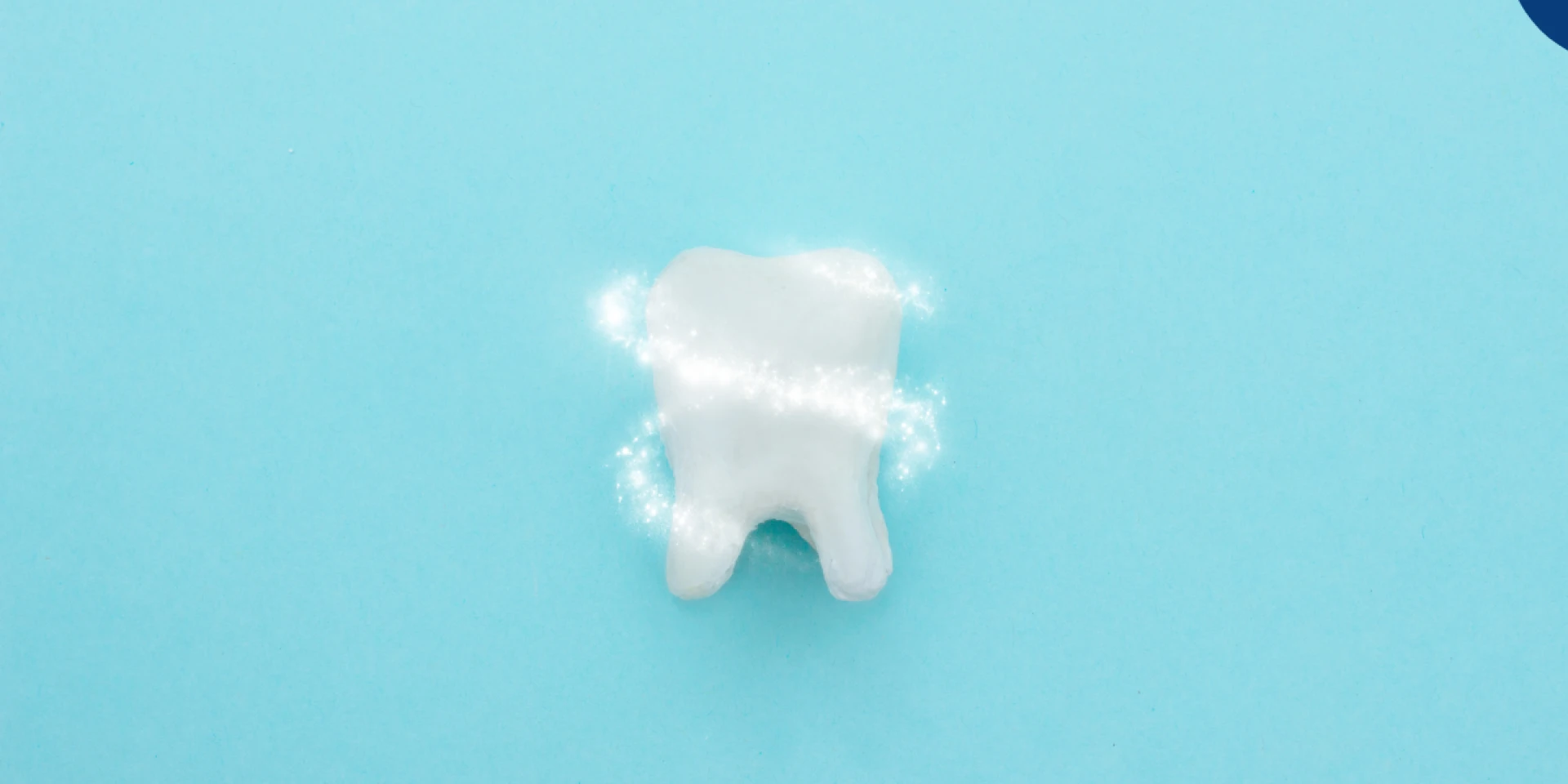
You have just returned home after a teeth whitening treatment and flexing your new smile look. Of course, there’s a lot of excitement, but you must remember certain guidelines to maintain the longevity of your bright results.
Post-whitening treatment, the teeth becomes vulnerable to staining. Thus, keeping a check on foods that you consume is prime.
Today’s blog will guide you about the foods that preserve the freshness of your smile colour. Read below to know.
Why a white diet is needed?
Multiple studies state that the foods and beverages we consume daily directly affect the colour of teeth. Therefore, dentists recommend a white diet after a teeth whitening procedure (at least for two consecutive days).
Besides maintaining teeth’s whiteness, it also manages mild side effects of the procedure, like gum irritation and sensitivity.
Several private clinics facilitate professional teeth whitening. Contact any of them for ‘white diet’ guidance.
Understanding the Tooth Structure
The tooth has three distinct parts: the root, the neck, and the visible crown. Teeth whitening applies only to the crown and here’s a more simplified breakdown of it.
· Enamel: Constitutes the topmost layer of the crown and is the hardest material in the whole body. Its colour generally varies from creamy white to a slight yellowish tinge.
The enamel is primarily responsible for protecting the internal tooth structure, housing the sensitive nerves. Also, it prevents bacteria and plaque from invading into those deeper parts.
· Dentine: Situated beneath the enamel, the dentine is responsible for giving a structure to the tooth. Additionally, it connects the internal nerves and gives elasticity for preventing tooth fractures.
However, if the enamel gets eroded, the dentine layer will be exposed. This is exactly why some people experience pain and sensitivity while having too hot or cold foods.
Effects of teeth whitening, how long they last?
While most of you think teeth whitening effects to be temporary, research studies have shown the contrary. It is a very safe procedure, with results sustaining for a long period of time. However, one thing must be noted.
Hydrogen peroxide application on teeth makes the enamel porous. This makes the teeth highly susceptible to attract new stains, post-whitening. Hence, proper maintenance is crucial.
What causes tooth stains?
Chromogens, tannins and acids are the three main culprits contributing to dental stains. These are found in regular food items and can discolour the enamel with time. Examples: tea, coffee, red wine, spicy curries, berries, etc.
Right after teeth whitening treatment, the enamel becomes weak, making it easier for stains to re-accumulate. Thus, a white diet is suggested by dentists. This should be strictly followed for 48 hours.
This small sacrifice will ensure a long-lasting, beautiful white smile which you can flaunt to the whole world!
The White Diet: What does it consist of?
Below is a list of food items that you can have after a teeth whitening treatment.
- Chicken/Turkey – A good source of lean protein which is free from acidic components. This will promote dental as well as overall health.
- Fish – Try to avoid dark-coloured fish. However, you can consume white fish such as albacore.
- Boiled rice – Rice is an energy-giving food and can be a perfect combo for the above protein sources.
- Pasta – Consider having pasta in a plain way. Do avoid red and green sauces (toppings).
- White Cheese – It is a rich source of calcium and can promote overall dental health.
- White onion – Red onions contain some amount of pigment, so it is better to avoid them while having meals.
- Eggs – Make sure you remove the yolk while cooking eggs. Have only the white albumen.
- Potatoes – While having potatoes, it is best to peel the skin off. Boiled ones are the perfect; you can have them sprinkling a little amount of salt on top.
- White Bread – Do not forget to remove the brown crust while eating bread.
- Bananas – These are a healthy source of carbohydrates and are packed with micronutrients (e.g., potassium). Have as much as you want for they will not cause any risk to your teeth colour.
- Curd – Avoid coloured and flavoured yoghurt as that can stain your teeth. Eat only the white one to be on the safe side.
- Porridge – It is a wholesome food and is also good for your teeth. Add some milk to it, but, not sugar.
What foods to avoid?
- Coffee – It may be very hard to eliminate this popular beverage out of the diet chart. But, for maintaining teeth whitening results, it is necessary to at least limit its consumption.
- Tea – Avoid liquor tea as that is dark and will likely causes tooth stains. However, if you cannot avoid it, add sufficient milk and then sip on.
- Wine – Wine, especially the red one is acidic and contains dark colours. Consider replacing it with white wine.
- Fizzy Drinks – Carbonated drinks are acidic and often have colouring agents mixed in them. Limit their consumption as much as possible.
- Commercial Fruit Juices – The reasons are similar to the above.
- Dark condiments – These include soy sauce, tomato sauce, balsamic vinegar, etc., and may discolour your freshly whitened teeth.
- Spicy Curries – If you’ve noticed how curry leaves marks on your cookware, imagine what it can do to your teeth. Certainly steer clear of this food post-treatment for safety.
- Candies and Chocolate – imagine the hue of your tongue after indulging in some candies. Your teeth are susceptible to staining in the same manner.
- Tobacco – the term ‘smoker’s teeth’ is widely used for a valid reason. We strongly advise against smoking following your procedure, so consider using nicotine patches and other products to assist you in managing the urge.
Conclusion
When performed properly by experts, teeth whitening is a remarkable transformative procedure that can enhance your self-esteem for many years ahead. Obtain a professional teeth whitening in London today for personalised guidance and after tips, including white diet recommendations.