Food waste is one of the biggest challenges faced by industries, commercial kitchens, and food service facilities worldwide. Every day, tons of organic waste are produced—much of which ends up in landfills, causing pollution and increasing operational costs.
The solution? Advanced food waste equipment and food waste recycling equipment that allow businesses to manage organic waste more efficiently, hygienically, and sustainably.
For companies looking to reduce waste volume and support greener practices, Hungry Giant provides industry-leading solutions that turn everyday food waste into a manageable, eco-friendly resource.
What Is Food Waste Equipment?
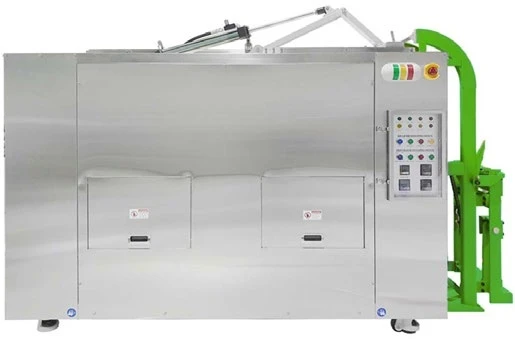
Food waste equipment refers to specialised machines designed to process and manage organic scraps in commercial and industrial settings. These machines can grind, shred, dehydrate, or transport food waste, making it easier to handle and dispose of.
Examples of food waste equipment include:
- Grinders and Shredders – Break down food waste into smaller particles.
- Pulping Systems – Separate solids and liquids for more efficient disposal.
- Dehydrators – Reduce moisture and volume, cutting hauling costs.
- Automated Transfer Systems – Move waste safely from kitchens to collection points.
This equipment is built to handle large volumes, making it ideal for hotels, hospitals, restaurants, and food processing plants.
What Is Food Waste Recycling Equipment?
While food waste equipment processes waste, food waste recycling equipment goes a step further. It allows organic scraps to be repurposed, preventing them from ending up in landfills.
Types of food waste recycling equipment include:
- Composting Systems – Convert food waste into nutrient-rich compost.
- Anaerobic Digesters – Break down waste to produce renewable bio-gas and fertiliser.
- On-Site Recycling Units – Small-scale systems that let businesses recycle waste on-site.
By investing in recycling equipment, businesses can transform food scraps into valuable resources, supporting sustainability goals and reducing environmental impact.
Benefits of Using Food Waste Equipment
- Reduced Waste Volume
- Grinding and dehydrating food scraps cut down bulk significantly.
- Lower Costs
- Less volume means fewer pickups and reduced landfill fees.
- Hygiene and Safety
- Fast processing reduces odors, pests, and contamination risks.
- Eco-Friendly Disposal
- Waste can be diverted to composting or energy recovery instead of landfills.
- Regulatory Compliance
- Helps businesses meet local waste disposal and environmental requirements.
Benefits of Food Waste Recycling Equipment
- Sustainability
- Diverts waste from landfills and supports renewable energy production.
- Circular Economy
- Converts food waste into compost, fertiliser, or energy that can be reused.
- Reduced Carbon Footprint
- Prevents harmful greenhouse gas emissions caused by decomposing food waste.
- Public Image
- Customers value eco-conscious businesses that prioritise recycling.
Hungry Giant: Leaders in Food Waste Solutions
When it comes to reliable, durable, and eco-friendly food waste equipment and food waste recycling equipment, Hungry Giant is a trusted provider. Their systems are designed for high performance in demanding industries such as hospitality, healthcare, and food production.
Why Choose Hungry Giant?
- Heavy-Duty Build: Designed for continuous, industrial-scale use.
- Energy Efficiency: Built to save power while maximising performance.
- User-Friendly: Simple to operate and maintain.
- Custom Solutions: Tailored systems for different industries.
- Sustainability Focus: Helping businesses achieve waste reduction and recycling goals.
Industries That Benefit From Food Waste Equipment
- Hotels & Resorts: Manage buffet and kitchen waste efficiently.
- Hospitals & Nursing Homes: Maintain hygiene while cutting disposal costs.
- Food Processing Plants: Handle production scraps and by-products.
- Restaurants & Cafeterias: Keep kitchens clean and reduce landfill fees.
- Educational Institutions: Support green initiatives on campuses.
How Food Waste Recycling Equipment Supports a Greener Future
By recycling food waste, businesses can actively contribute to environmental protection. Processed food scraps can be:
- Turned into compost for agriculture.
- Converted into biogas for renewable energy.
- Repurposed into fertilizer for farming.
This not only reduces environmental harm but also creates a more sustainable cycle where waste becomes a valuable resource.
FAQs on Food Waste Equipment
Q1. What is food waste equipment?
It is machinery designed to process and manage food waste in commercial and industrial facilities.
Q2. What is food waste recycling equipment?
It is equipment that repurposes food waste into compost, fertilizer, or renewable energy.
Q3. Can food waste equipment handle meat and bones?
Yes, high-quality systems are built to process mixed organic waste, including tougher scraps.
Q4. How does food waste recycling benefit businesses?
It reduces landfill costs, improves sustainability, and boosts eco-friendly brand image.
Q5. Where can I find reliable food waste equipment?
Hungry Giant provides durable, eco-friendly solutions at Hungry Giant.
Final Thoughts
With the right food waste equipment and food waste recycling equipment, businesses can turn waste from a costly problem into a sustainable solution. Not only does this improve hygiene and efficiency, but it also supports long-term environmental goals.
By partnering with Hungry Giant, industries can manage food waste responsibly, reduce costs, and create a greener future.